DISCOVER THE ADVENTURES OF KATE, HEX, AND GINGER

Category: Kitty Care 101 (Page 1 of 2)

How to Decode Your Cat’s Mysterious Behaviours: Understanding Your Feline Friend

Cats are often considered enigmatic companions, leaving their owners puzzled by their behaviours. These mysterious actions can range from sudden bursts of energy to odd sleeping positions, prompting many to seek answers. By observing body language, vocalisations, and daily habits, cat owners can begin to decode their feline friends’ unique behaviours.

Understanding cat behaviour requires attention to their instincts and environment. For instance, a cat’s propensity to knead or pounce may indicate comfort or a hunting instinct. Recognising these signals not only improves communication but also strengthens the bond between a cat and its owner.

With the right insights, anyone can learn to interpret the signs their cat provides. This knowledge fosters a more harmonious living environment and enhances the owner’s ability to meet their pet’s needs.

Key Signs to Help Decode Your Cat’s Behaviour

Cats communicate through various behaviours and signals that can often seem mysterious to their owners. Understanding these signs is essential for cat lovers who want to strengthen their bond with their feline companions.

Understanding Body Language

A cat’s body language provides crucial insights into its feelings and intentions. Observing the position of their ears, tail, and whiskers can reveal much.

  • Ears: Ears facing forward indicate curiosity or interest. If laid back, the cat may feel threatened or annoyed.
  • Tail Position: A straight-up tail usually signifies happiness, while a puffed-up tail can indicate fear or aggression.
  • Whiskers: Whiskers pointing forward show excitement or curiosity, while whiskers pulled back may mean discomfort or aggression.

Paying attention to these signals helps owners better understand their cat’s emotional state and respond appropriately.

The Meaning of Meowing and Vocalisations

Cats vary their vocalisations to communicate with their owners. Meowing is primarily a way for cats to interact with humans rather than with other cats.

  • Different Meows: A short, high-pitched meow may indicate excitement, while a low pitch can denote annoyance or demand.
  • Chirps and Chatter: These sounds often occur when a cat is watching birds or small animals, reflecting their hunting instincts.
  • Yowling or Growling: These vocalisations are generally associated with distress, aggression, or territoriality.

Understanding the nuances of meowing and other sounds can help owners decipher what their cat is trying to convey.

Interpreting Purring and Slow Blinks

Purring is generally associated with contentment, but it can also indicate other emotions. Recognising the context is key.

  • Purring While Relaxing: This often signifies happiness and comfort. Cats may purr when being petted or curled up with their owner.
  • Purring During Distress: Cats may also purr when in pain or anxious as a self-soothing mechanism.

Slow blinking is another significant behaviour. When a cat slowly blinks at its owner, it can indicate trust and affection. This gesture is often referred to as a “cat kiss.” Responding with a slow blink in return can strengthen the bond between the cat and its owner.

Common Cat Behaviours Explained

Understanding common cat behaviours can help owners respond appropriately. These behaviours often stem from instincts and necessities that are essential for a cat’s well-being.

Knocking Things Off Tables

Cats often knock objects off tables, leading to frustration for their owners. This behaviour can be traced back to their instinctual hunting habits and curiosity. By swatting at items, cats simulate the action of catching prey. They enjoy the sound of objects crashing and the visual stimulation of seeing items fall.

To manage this behaviour, it can be helpful to provide designated play areas with interactive toys. Keeping surfaces clear of breakable items reduces stress for both the cat and the owner while satisfying their need to explore.

Playtime and Hunting Instincts

Playtime mirrors hunting behaviour in cats. They engage in stalking and pouncing, traits inherited from their wild ancestors. Interactive toys such as feather wands or laser pointers can imitate prey movement. This encourages exercise and mental stimulation, which are vital for a cat’s health.

Regular play sessions help satisfy their instincts, reducing behavioural issues at home. Cats benefit most from 15-20 minutes of play daily, establishing a routine that keeps them engaged and active.

Caring for Healthy Claws

Maintaining healthy claws is crucial for a cat’s overall well-being. Cats need to scratch to keep their claws sharp and to mark territory.

Providing scratching posts made of various materials can help meet this need. Sisal, cardboard, and carpet are common options that cater to different preferences.

Regular claw trimming is also important. Owners should aim to trim their cat’s claws every 2-3 weeks. Monitoring claw health prevents discomfort and keeps their environment safe for both the cat and the household items.

How to Respond to Your Cat’s Behaviour

Understanding how to effectively respond to a cat’s behaviour is essential for fostering a positive relationship. Building trust and reinforcing good behaviour can lead to a happier home for both the cat and the owner.

Building Trust and Bonding with Your Cat

Building trust requires patience and consistent interactions. Cat owners should engage in activities their cats enjoy, such as gentle play or providing treats. These positive experiences help forge a bond.

Creating a safe environment is crucial. Cats often display behaviours stemming from stress or fear. Providing hiding spots, soft bedding, and quiet areas can alleviate anxiety. Owners should observe their cat’s responses and adjust their approach accordingly.

Regularly interacting with cats through petting or brushing can also enhance trust. Owners need to read their cat’s body language, recognising signs of comfort or discomfort. This awareness allows for a more personalised approach to bonding.

Supporting Positive Cat-Owner Relationships

To support a healthy relationship, cat lovers should establish routines. Feeding at the same time each day and regular play sessions create predictability. Cats thrive on routine, reducing uncertainty and stress.

Moreover, providing enrichment activities can distract from negative behaviours. Puzzle feeders or interactive toys stimulate a cat’s mind and reduce boredom. Engaging in play mimics a cat’s natural hunting instincts, promoting both physical and mental well-being.

When addressing unwanted behaviour, owners should avoid punishment. Instead, redirecting attention with toys or treats is more effective. This approach encourages positive behaviours while maintaining a strong bond. Understanding individual cat personalities is vital in responding appropriately to their needs.
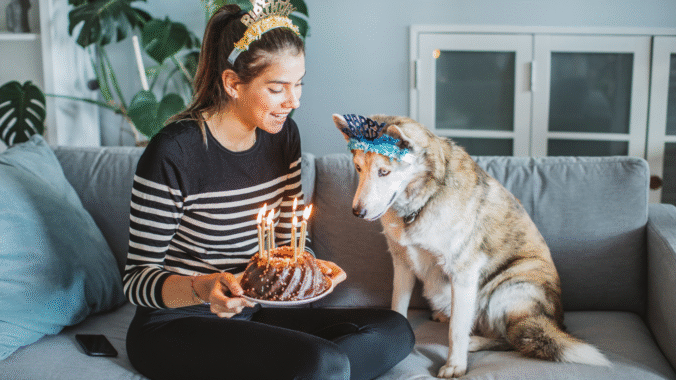
 

Creative Ways to Celebrate Your Pet’s Birthday: Unique Ideas for a Pawsitively Memorable Day

Celebrating a pet’s birthday can be just as important as celebrating a human’s milestone. There are many creative ways to make that day special, from bespoke cakes to themed parties. Many pet owners want to show appreciation for the joy their animals bring, and unique celebrations can strengthen the bond between them.

They can consider hosting a gathering with fellow pet owners, complete with games and treats for both pets and their humans. Another idea is to create a photo album or video montage capturing special moments throughout the pet’s life, which can add a sentimental touch to the festivities.

Additionally, incorporating activities the pet enjoys, such as going for a favourite walk or exploring a new park, can make the day memorable. Tailoring the celebration to the pet’s personality is key to ensuring that the experience is enjoyable and meaningful for everyone involved.

Throwing the Perfect Pet Birthday Party

Celebrating a pet’s birthday can be a joyous occasion. Careful planning ensures a memorable day for both pets and their owners. The following aspects are crucial for a successful celebration: choosing a fun theme, inviting friends and guests, and decorating for the special day.

Choosing a Fun Theme

Selecting a theme sets the tone for the party. Popular choices for dog birthday parties include Superhero, Pirate, or Royalty themes. Each theme can inspire decorations, costumes, and activities.

For a Superhero theme, guests can don capes, while a Pirate party might feature treasure maps and themed treats. Royalty could involve crowns and a “pawsome” banquet.

Customise the theme to the pet’s personality. This adds a unique touch and helps engage guests, making it an enjoyable experience for all.

Inviting Pet Friends and Guests

A party is more fun with friends. When creating the guest list, consider inviting fellow pet owners and their pets. Make sure to include all necessary details on the invitations.

Key points to include are:

  • Date and time
  • Location
  • Theme information
  • Any dietary restrictions for both pets and humans

Sending out digital invitations via social media or pet-themed platforms can be efficient. Encourage guests to RSVP, which helps in planning for space and refreshments.

Decorating for Your Pet’s Special Day

Decorations bring life to the party. Use colourful banners and balloons that match the chosen theme. Incorporating pet-friendly materials ensures safety, especially for curious canines. Table settings can feature themed dishes for pets, like custom birthday cakes made from dog-safe ingredients.

Don’t forget about fun photo opportunities. Set up a designated space with props that match the theme, allowing guests to capture memories of the day. It creates an engaging and lively atmosphere for both pets and attendees.

Delicious Treats and Cakes for Your Pet

Celebrating a pet’s birthday can be made extra special with delicious treats and cakes designed just for them. From homemade cakes to healthy dog treats, there are numerous ways to indulge a furry friend on their special day.

Homemade Dog Birthday Cake Ideas

Creating a homemade dog birthday cake allows for personalisation and control over ingredients. Common recipes often include dog-friendly ingredients like peanut butter, pumpkin, or mashed bananas. A simple recipe might include:

  • 1 cup whole wheat flour
  • 1/2 cup peanut butter
  • 1/2 cup mashed banana
  • 1/2 cup low-sodium chicken broth

Mix these ingredients, bake in a greased pan at 180°C for about 30 minutes, and allow it to cool before serving. Decorate with a dog-friendly frosting made from cream cheese and peanut butter for an added festive touch.

Baking Tasty Pupcakes

Pupcakes are a delightful alternative to traditional cakes. They can be baked in muffin tins and are perfect for portion control. A basic pupcake recipe can include:

  • 1 cup oats
  • 1 ripe banana
  • 1 egg
  • 1/2 cup unsweetened applesauce

Blend these ingredients until smooth, pour into muffin tins, and bake at 180°C for 20 minutes. These bite-sized treats are easy to customise by adding carob chips or diced vegetables for extra flavour and nutrition.

Selecting Healthy Dog Treats

When selecting commercial dog treats, it is crucial to consider both quality and ingredients. Look for treats that contain natural ingredients and avoid those with artificial additives.

Some healthy options include:

  • Jerky treats made from real meat
  • Vegetable chews, such as sweet potatoes
  • Grain-free biscuits infused with fruits

Always check the label for nutritional information to ensure the treats align with your pet’s dietary needs. Celebrating with safe and wholesome treats enhances the birthday experience for pets while keeping their health in mind.

Unique Activities and Memorable Experiences

Celebrating a pet’s birthday can be an opportunity for creativity and lasting memories. Engaging in unique activities can enhance the experience for both the pet and its owner.

Fun Birthday Activities for Pets

Pets can enjoy a variety of activities on their special day.

  • Birthday Party: Organise a party with other pets. Use decorations, treats, and games tailored for furry friends.
  • Special Treats: Create or buy a birthday cake made specifically for pets, made with safe, wholesome ingredients.
  • Photo Shoot: Arrange a themed photoshoot with costumes or props. This can create lasting memories in a fun environment.
  • Outdoor Adventure: Take the pet on a day out to a favourite park or beach. Incorporate activities like fetch or a picnic.

These activities provide excitement and joy, making the birthday celebration truly special.

Commemorating the Gotcha Day

Gotcha Day marks the moment a pet was adopted, and it can be celebrated alongside the birthday.

  • Memory Lane: Create a scrapbook or a digital album showcasing moments from the pet’s life since adoption. Include fun captions and timelines.
  • Special Donors: Consider donating to a local animal shelter in honour of the pet. This promotes awareness and gives back to the community.
  • Birthday Photo Frame: Set up a framed photo from the adoption day alongside a recent picture. This serves as a great visual reminder of the joy the pet has brought to life.

Honouring Gotcha Day can deepen the bond between the pet and owner while celebrating their journey together.


A Beginner’s Guide to Adopting a Rescue Cat: Essential Tips for New Cat Owners

Adopting a rescue cat can transform a person’s home and heart. Many people find joy and companionship in these loving animals, often while providing them with a much-needed second chance. Understanding the key steps in the adoption process, from choosing the right cat to preparing your home, is essential for a successful transition.

New cat owners often face questions about the behavioural needs and health considerations of rescue cats. These felines may come with unique backgrounds, requiring patience and empathy during their acclimatisation. A little knowledge can make a significant difference in fostering a harmonious relationship between the cat and its new family.

The rewards of welcoming a rescue cat into a home extend beyond companionship; they often form deep bonds with their owners. By following practical advice and best practices, individuals can ensure a positive experience for both themselves and their new feline friend.

Deciding to Adopt a Rescue Cat

Choosing to adopt a rescue cat requires careful consideration of preparedness, the advantages of bringing a cat into a home, and the impact on existing pets. Each of these areas plays a significant role in making an informed decision.

Assessing Your Readiness for a New Pet

Before adopting a cat, individuals should evaluate their lifestyle and commitment level. Cats can live for 15 years or more, so long-term dedication is essential.

Key considerations include:

  • Time Commitment: Cats need daily interaction, feeding, and care.
  • Financial Responsibility: Veterinary expenses, food, and supplies must be budgeted.
  • Home Environment: A welcoming and safe space is crucial. Ensure that the home is cat-friendly, with designated safe areas for exploration.

Potential adopters should also consider any future changes, such as moving or lifestyle shifts. Assessing readiness helps prevent impulse decisions that may lead to future challenges.

Understanding the Benefits of Cat Adoption

Adopting a cat offers various rewards. These include companionship, emotional support, and the joy that comes with nurturing an animal in need.

Some benefits are:

  • Saving Lives: Many cats in shelters await homes. Adoption helps reduce overpopulation.
  • Behavioural Benefits: Rescue cats often come with some training, making adjustment easier.
  • Health Benefits: Studies indicate that pet owners may experience lower stress levels and improved mental health.

The process of adopting a cat can also foster a sense of community involvement and responsibility, deepening the connection with the local animal welfare efforts.

Considering Multi-Cat Households

For those already with pets, it is essential to consider dynamics when adding a rescue cat. Introducing a new cat to a multi-cat household can be rewarding but requires thoughtful planning.

Factors to contemplate:

  • Personality Match: Choose a cat whose personality aligns with existing pets. This helps create harmony.
  • Gradual Introduction: Introduce new cats slowly to minimise stress. Set up separate spaces for each cat initially.
  • Space and Resources: Ensure there are ample resources, such as litter boxes and food stations, to prevent territorial disputes.

Understanding these elements can facilitate a smoother transition for all animals involved, ensuring a happy and loving environment for both the new cat and the existing pets.

Finding the Right Rescue Cat

Choosing the right rescue cat involves thorough research and careful preparation. By understanding local options and assessing compatibility, prospective adopters can ensure a suitable match for their home.

Researching Rescue Organisations and Local Shelters

Identifying reputable rescue organisations and local shelters is essential. These entities vary in size and specialisation, so it is important to:

  • Visit Websites: Check for information on available cats, adoption processes, and volunteer experiences.
  • Read Reviews: Look for testimonials to gauge the reputation of the organisation.
  • Contact Them: Reach out with questions about their policies, facilities, and the background of the cats.

Local shelters may also provide different services, such as spaying and neutering. This research can help adopters discover which organisations align with their values and needs.

Preparation Before Visiting a Rescue Centre

Before visiting a rescue centre, prepare a list of criteria that reflect one’s lifestyle. Important considerations might include:

  • Space Availability: Ensure the home can comfortably accommodate a cat.
  • Allergies: Consider any allergies within the household.
  • Time Commitment: Assess how much time can be dedicated to a new pet.

Adopters should bring necessary supplies, such as a carrier and a checklist of questions to ask staff. This preparation makes the process smoother and more efficient.

Meeting Cats and Assessing Compatibility

When meeting potential cats, a slow and informative approach works best. Key steps include:

  • Observing Behaviour: Pay attention to how the cat interacts with people and other animals.
  • Engaging Playfully: Use toys to gauge a cat’s energy level and personality.
  • Assessing Temperament: Note whether the cat seems sociable, shy, or independent.

This interaction helps adopters understand which cat aligns best with their lifestyle and expectations. Trusting one’s instincts at this stage can lead to a rewarding companionship.

Bringing Your Rescue Cat Home

Bringing a rescue cat into a new home involves careful preparation to ensure a smooth transition. A welcoming environment helps the cat feel secure and comfortable from the moment it arrives.

Preparing Your Home for a Rescue Cat

Before bringing the cat home, it is essential to cat-proof the space. This includes removing hazardous items such as household cleaners, small objects, and electrical cords that could pose a risk.

Create a dedicated space for the new pet. This can be a quiet room equipped with a litter box, food and water bowls, and a comfortable bed. Familiar scents, such as a blanket or toy from the shelter, can also help the cat feel more at ease.

Consider purchasing essential items in advance. This list should include:

  • Litter box and litter
  • Food and water bowls
  • Cat food
  • Scratching post
  • Toys

First Day and Settling In

The first day is crucial for a rescue cat’s adjustment. When he or she arrives, allow the cat to explore at its own pace. Avoid overwhelming it with too many new experiences. Keep the environment calm. It is advisable to minimise noise from loud appliances or visitors. Offering gentle interaction without forcing contact helps establish trust.

Place the litter box, food, and water within easy access. This allows the cat to settle comfortably and addresses immediate needs without added stress.

Helping Your Cat Adjust to a New Environment

Adjustment may take time, and each cat has its own pace. Vigilance is key; observing behaviour can provide insight into the cat’s comfort level. Regular routines can create a sense of security. Feeding at consistent times, engaging in play, and maintaining a predictable schedule can help the cat feel more settled.

Encouraging interaction with toys can assist in building confidence. Additionally, providing safe hiding spots can offer comfort when the cat feels overwhelmed. Patience is essential during this transition phase.

Caring for Your Adopted Cat

Caring for a rescue cat involves establishing routines, seeking ongoing support, and ensuring smooth integration into households with multiple cats. These practices play a crucial role in a cat’s well-being and adjust to their new environment.

Establishing Healthy Routines

Establishing a daily routine helps a newly adopted cat feel secure. Feeding at the same times each day fosters predictability. The diet should consist of high-quality cat food appropriate for the cat’s age and health needs.

A consistent schedule for litter box maintenance is equally important. Cats prefer a clean environment, so scooping at least once daily is recommended. Regular playtime, using interactive toys, engages the cat both mentally and physically, promoting a happy lifestyle.

Routine veterinary check-ups are essential. They ensure vaccinations are up to date and monitor for any health issues. Establishing these routines can help a rescue cat adapt to its new home more comfortably.

Ongoing Support from Rescue Organisations

Many rescue organisations offer resources beyond adoption. They often provide valuable advice on behaviour, health, and nutrition. Newly adopted cats may take time to adjust, and expert guidance can mitigate potential issues.

Engaging with these organisations for support can include attending workshops or training sessions. Many offer help with common behavioural problems, such as scratching or litter box issues. Adopters should keep the organisation’s contact information easily accessible for quick advice.

Additionally, some organisations may offer follow-up visits or check-ins to ensure everything is going well. This kind of ongoing support is beneficial for both the cat and the owner during the transition period.

Integrating a Cat Into Multi-Cat Households

Introducing a rescue cat into a multi-cat household requires careful planning. Ensure separate spaces for each cat initially, allowing them to acclimatise to each other’s scents without direct confrontation.

Gradual introductions are key. Use short, monitored meetings while providing treats and positive reinforcement to associate the newcomer with pleasant experiences. Keeping litter boxes, food, and water stations separate can reduce competition and territorial disputes.

Observe interactions closely. Signs of stress or aggression may arise, requiring adjustments to the introduction process. Patience is essential; voluntary interactions will typically lead to smoother relationships among the cats over time.


The Top 9 Essential Cat Products You Can’t Live Without

There are so many important cat products out there, it’s hard to know where to start. But don’t worry – we’ve got you covered! In this blog post, we’ll discuss the top 9 essential cat products that you can’t live without.

Good Quality Litter Box

Choosing the right one is essential for your cat’s health and well-being. A litter box that is too small or too large can cause problems. A good litter box should be big enough for your cat to move around in and have a cover so they can privacy when they need it.

Scratching Post 

One of the most important things you can do for your cat is to provide them with a scratching post. This will help them to exercise and keep their nails trimmed. There are many different types of scratching posts on the market, so it is important to choose one that is comfortable for your cat and meets its needs.

Some cats may prefer a tall post while others may prefer a short one. You should also consider the material the post is made from and how rough or smooth it is. Some of them like to scratch at knots in the wood, while others prefer smooth surfaces. If your cat doesn’t like to scratch posts, you can try using a carpeted area instead as they will still get their exercise by moving around.

Toys

A good toy for your cat will keep them entertained and mentally stimulated. Toys can be anything from a simple string toy to a more elaborate set of toys, such as a playpen with tunnels and perches. Not all cats enjoy playing fetch all day long, so provide them with toys that will keep them entertained instead. From feather toys to laser pointers, there’s something for everyone in this category!

Food

Feeding your cat the correct diet is important for their health and well-being. Make sure you give them the correct type of food, which includes both wet and dry food, along with plenty of water. Just like with humans, a healthy diet is important for cats too. Make sure to give your kitty high-quality food that meets their nutritional needs, including items such as canned fish or chicken as well as dry food pellets or kibble bowls with small amounts of water mixed in for hydration (some brands offer these in combination packs with other essential cat products).

Bedding

Your cat needs somewhere to sleep, whether it’s on the floor or in an actual bed! Provide them with comfortable bedding, such as soft sheets or blankets, to make sure they have a place to relax when they want one.

Food Dish

Cats need proper nutrition just like any other animal, so providing them with a food dish is essential. Make sure it’s big enough for your kitty to eat comfortably, but small enough so that you can keep track of how much he or she is eating.

Pet Odour Eliminator

One of the most important items on your cat’s list of must-haves is a good pet odour eliminator. Not only will it keep your kitty smelling fresh and clean, but it can also help to prevent other animals from perceiving your cat as a threat. There are many different types of pet odour eliminators on the market, so it’s important to find one that is specifically tailored to your cat’s needs. Some of the best options include ozone generators, enzyme cleaners, and air fresheners. Experiment a bit to see which option works best for your kitty!

Catnip

One of the most popular essential cat products is catnip. This herb helps keep cats entertained and engaged, making them less likely to scratch furniture or other areas where they may be destructive. Some manufacturers also add a small amount of catnip to their toys to make them more enticing to your kitty.

Water Bowl

One of the most important things you can do for your cat is to give them plenty of fresh water. A water bowl is an essential part of a kitty’s life, and there are a variety of options available to suit every budget.

If you’re on a tight budget, consider purchasing a plastic or ceramic bowl from the pet store. These bowls are affordable and easy to clean, but they may not be especially durable. If you have more money to spend, consider investing in a stainless steel or glass water bowl. These bowls are more expensive, but they are also much more durable and will last longer than plastic or ceramic bowls.

These Essential Products Will Help You Take Care of Your Cat

As a cat owner, you know that your feline friend is always up for a game of catch or some serious cuddling. But what do you do when they start to get sick? Well, in this roundup we are sharing the top 9 essential cat products that every cat parent needs to have on hand in order to keep their furry friend healthy and happy. These indispensable items will help make life easier for both you and your kitty!

The Benefits of Owning a Cat

Are we considering getting a feline companion? Well, we have some fantastic news! Not only are cats adorable and cuddly creatures, but they come with numerous benefits that can positively impact our lives. From reducing stress to improving mental health, owning a cat is an excellent investment in our happiness and well-being.

In this blog post, we’ll explore the benefits of welcoming a furry friend into our home and why every household should consider adopting one today!

Companionship and Emotional Support

According to a study published in “PLoS One,” cats are better companions than dogs. They offer companionship, emotional support, and stress relief. They also provide physical comfort, often sleeping beside their owners on beds or mats. Studies have shown that they can reduce anxiety levels in their owners, which benefits people with mental health issues or chronic pain. Owners of cats report feeling calmer and more relaxed after spending time with their pets. Cat ownership has numerous benefits for both humans and cats. Spending time together provides companionship, emotional support, stress relief, and physical comfort.

Decreased Risk of Heart Disease and Stroke

Heart disease and stroke are two leading causes of death in the United States. According to the Centers for Disease Control and Prevention, over 700,000 people in the U.S. die from heart disease and stroke each year. However, owning a cat can reduce the risk of both diseases by up to 50%. A study published in the Journal of Epidemiology and Community Health found that people with cats had a lower risk of developing heart disease or stroke than those who didn’t have cats. The study looked at data from more than 20 million people worldwide. It found that people with one or more cats were 50% less likely to develop heart disease or stroke than those without cats.

The benefits of owning a cat go beyond reducing the risk of heart disease and stroke. Cats are companionship animals, which means they provide emotional support and help us relax. In addition, cats are good for our mental health because they positively stimulate our brain waves.

Assistance With Anxiety and Sleep Disorders

There are countless benefits to owning a cat, one of which is assistance with anxiety and sleep disorders. Cats tend to be calmer and less anxious than dogs, and they often sleep more soundly since they don’t bark as much. Additionally, they have been shown to reduce the stress hormone cortisol in people when they’re around them.

Since cats are natural hunters, their presence can also help people with ADHD or OCD by providing a calming activity that’s not stimulating. Additionally, they can help with mood swings caused by hormonal changes and provide company when someone feels down. Research has shown that regular pet ownership can improve mental health overall.

Entertainment and Playfulness 

There are many benefits to owning a cat, both for children and adults. Cats provide entertainment and playfulness, which can benefit people of all ages. They also offer a source of comfort in times of stress or sadness. Cats can help reduce anxiety in people with autism or other neurodevelopmental disorders.

Cats also have a positive effect on our psychology. They are known to increase happiness and satisfaction in their humans, making them good companionship animals. In addition, cats are known for their ability to promote relaxation and improve concentration. These qualities make them great for people who work or study hard at tasks.

Cats are excellent pets that benefit their owners and those around them. If we are considering adding a cat to our family, let’s do our research first to find the perfect pet for us.

Improved Immune System Function

Like most people, we probably think of cats as adorable creatures that add happiness to our life. But did we know that owning a cat can have major health benefits? Studies have shown that owning a cat can improve our immune system function and speed up our illness recovery. This is because cats are natural predators, which helps them develop robust immune systems. Their hunting and scavenging habits help them get the nutrients they need to stay healthy.

Cats also provide companionship and relaxation in our busy lives. Having one around can be beneficial whether we’re single or have multiple cats.

Better Sleep Quality

People who own cats tend to have better sleep quality. This is because cats are good at keeping the house clean and usually don’t make much noise in the early morning. This means that people who own cats can get more sleep because there’s less noise to wake them up. Another benefit of owning a cat is that they provide emotional support. Cats often spend a lot of time alone, which can be difficult for some people. Having a cat around can help make someone feel better emotionally.

The Purfect Companion

Owning a cat is one of the most rewarding things we can do for ourselves. They provide companionship, love, and entertainment that cannot be found elsewhere. They are also great at keeping rodents away from our homes and can help keep our allergies in check! If we consider adding a feline friend to our lives, read up on their benefits before deciding.

Tips for Keeping Your Cat’s Teeth Clean

Cats can be social creatures but fall out of that group when their teeth are not up to scratch. To keep your feline healthy and clean between dental cleaning appointments, you’ll need to brush your cat’s teeth every day, but it can be difficult.

Whilst your cat’s canine teeth don’t exactly look like those of dogs, they’re very important to feline health. The feline incisors, or teeth, are used to tear through the tough meat of their favourite foods. Unfortunately, they are also prone to dental problems. Plaque buildup in the cat’s mouth can lead to gingivitis or inflammation of the gums, and tartar buildup starts to scrape away at the gum line. (Tarter is a hard substance that forms on tooth enamel.) If your cat’s teeth aren’t kept clean, she can develop unpleasant dental issues like gum disease and possibly tooth loss. Fortunately, there are several things you can do to prevent plaque buildup and keep your cat’s teeth healthy.

Here Are Some Tips For Keeping Your Cats Teeth Clean:

Regular Dental Checkups

Regular dental checkups are important for your cat, but they can be a hassle for you and your cat. While they don’t have many teeth, they need to have their gums cleaned regularly to prevent tartar buildup and gum disease. Even if your cat is an indoor-only kitty, they need regular visits to your veterinarian, who will examine your cat’s mouth for signs of potential dental or gum disease.

Try Dental Work

If your cat hasn’t had any dental work done, it is probably a good idea to start maintaining your cat’s teeth. The costs of cat dental work can range from hundreds to thousands of dollars, and you don’t want to be stuck paying for dental work that could have been prevented.

Always Brush Their Teeth

Keeping your cat’s teeth clean is one of the most important aspects of cat ownership. As you comb your cat’s fur, look for tartar buildup on its teeth. If unremoved, it can cause your cat pain, infections, and tooth loss. Toothpaste designed for cats and dogs can help alleviate your cat’s tartar buildup and prevent further oral health problems. Although regular brushing can help, getting your cat used to brushing its teeth can be difficult.

Change Diets That Are Good For the Dental Health Of Your Cat

Cats play a lot, and that play can leave their teeth pretty worn down over time. Since teeth play such an integral role in a cat’s overall health, dental care is essential to its well-being. Fortunately, there are effective and affordable dental diets for cats that can help keep their teeth strong and healthy. The dental diets, which come in wet and dry forms, include kibble and treats that make it easy for your cat to maintain a healthy smile.

Give them Dental Treats.

When you feed your cat crunchy treats, you’re not only rewarding her for her good behaviour, but you’re also helping to keep her teeth clean. Tartar-fighting treats are formulated to eliminate plaque and tartar buildup. You can make your own with ingredients found at your local market or grocery store. A diet that includes cat treats with ingredients like vitamins, minerals, and tartar-fighting enzymes can help restore a healthy mouth.

Buy Dental Toys

Cats can be picky about what they eat. Some will eat anything, and others will eat only certain things. One way to help ensure your cat stays healthy is to ensure its teeth are clean. Dental problems in cats can not only be painful, but they can also be life-threatening. There are many ways to clean a cat’s teeth, such as using dental toys. These toys not only help keep your cat’s teeth clean but also help sharpen their gums and satisfy their hunting instinct.

Monitor Your Cat’s Teeth

Signs of a dental problem include bad breath, bleeding gums, abnormal jaw activity, and loose teeth. If your cat shows any of these signs, it’s time to make an appointment with your vet.

Overall, your cat’s oral health is very important, as the start of dental problems can lead to heart, kidney, and liver disease. Use a soft toothbrush and toothpaste designed for cats. Brush your cat’s teeth after every meal or snack or every other day. Use a small dab of toothpaste to clean your pet’s teeth. Rinse your pet’s mouth with water or offer your cat water with a small amount of regular pet toothpaste.

Why Cats Aren’t Always the Purrfect Pet: A Look at the Downsides

We all know cats are adorable, cuddly creatures with soft fur and playful personalities. But let’s face it – they’re not always the purrfect pet. From hairballs to scratching up furniture, there are downsides to having a feline friend. In this blog post, we’ll take a closer look at why cats may not be the best choice for everyone and explore some of the challenges that come with being a cat owner. So grab your kitty and settle in for an honest discussion about the less glamorous aspects of cat ownership!

Cats Can Be Messy

Cats can be messy in their own unique way. They can jump on the furniture and scratch it, they often shed fur all over the place, and they can track mud, dirt, and debris all over the house. Also, cats are notorious for knocking things off of tables, counters, and shelves.

Cleaning up after a cat can be a major chore. Also, they can damage curtains and furniture. Urine marking is another issue that many pet owners need to deal with as well. In addition, cats can suddenly start using your house as a litter box if not trained properly.

Finally, cats are very prone to allergies and can fill up your house with dander, fur, and other allergens. In summary, cats can be incredibly messy and their mess can be hard to clean up.

Cats Can Be Noisy

One of the biggest cons is that cats can be noisy. Cats tend to meow, purr, and howl, especially at night when they’re more active. They might also meow at the top of their lungs if they want something or feel left out. Some cats can become very territorial and territorial disputes between cats can lead to loud fighting.

Lastly, if a cat isn’t spayed or neutered, it may start to howl and attract many stray cats to your home. In sum, cats can be noisy, making them difficult to own, especially when one needs to sleep or has guests over.

Cats Can Be Grumpy if They’re Not Treated Well

Owning a cat can come with some cons depending on how they’re treated. Cats can be grumpy if they don’t receive the proper attention and care they need. They can be independent and can have varying personalities. It is important to know how to properly care for a cat and to understand its individual behaviours when it comes to petting, feeding, and playtime. A grumpy mood may arise if the cat is not being petted and cuddled as they prefer or if they are feeling too bored.

Cats Can Be Difficult to Potty Train

Owning a cat can be a difficult task, especially when it comes to potty training. Cats are notoriously difficult to potty train, and that can make it challenging for pet owners. In addition, cats may not use a litter box as often as desired, leading to messes that need to be constantly cleaned. It can also result in damage to other furniture or items in the home due to its urine or faeces. If a cat toileting problem is not addressed soon enough, it can quickly turn into a habit they’re not likely to break. Even after potty training is achieved, maintaining a litter box in immaculate conditions can be difficult. Cats will urinate and defecate in the same spot even after retraining, and cleaning it up is essential.

Cats Can Be Dangerous

Cats can be destructive, clawing at furniture and causing damage to fabrics. They can spread diseases, such as ringworm, toxoplasmosis, and rabies. This can pose a danger to humans and other pets in the house. They can also be hostile toward strangers and show signs of aggression. This includes hissing or lunging when feeling threatened. It is important to socialize cats for them to be comfortable around people. Finally, cats can be unpredictable, even making it too dangerous to drink from toilets and being quite sneak. All these cons should be weighed carefully before deciding to own a cat.

Cats Require Regular Vet Care

Owning a cat requires regular vet care to ensure a healthy and happy life for your pet. This can be quite expensive depending on how often vet visits are needed and the treatments pets may require. The costs for trips to the vet can add up over time. There may also be times when unanticipated costs arise. This is to provide the necessary protection from illnesses and vaccines. Also, it may be difficult to arrange transportation for you and your pet, especially if the cat is too large to fit in a car. Regular vet care also means making sure that cats get regular check-ups and tests, which can be a hassle for owners as well as stressful for cats. It is a must for any cat owner to ensure their cat’s safety and health.

There are many reasons why cats may not always be the perfect pet for everyone. Regardless of why someone might choose not to adopt a cat, it’s important to remember that all animals deserve homes and all animals have something special to offer. Don’t let your personal preferences keep you from giving a furry friend the love and attention they need!

Why Owning a Cat Might Be the Best Decision You Ever Make

Are you looking for a furry companion that will bring endless joy and love into your life? Look no further than the humble feline. Yes, owning a cat might just be the best decision you ever make! From their adorable purrs to their playful antics, cats have a way of stealing our hearts and enriching our lives in countless ways.

In this blog post, we’ll explore all the reasons why welcoming a kitty into your home could be one of the most rewarding choices you’ll ever make. So sit back, relax, and prepare to fall head over heels in love with these delightful creatures!

They’re Cute

Cats are incredibly cute and make wonderful pets. Owning a cat can be rewarding and will bring joy to any home. Watching your cat play and lounge around is sure to bring a smile to your face. They have playful personalities and require only moderate exercise. Owning a cat can provide plenty of love and entertainment throughout the day. Owning a cat is a great way to show love and receive it in return.

They’re Good for Your Health

Petting cats can calm and relax their owners. Some people even find that cuddling a purring feline is therapeutic. Studies have shown that cat owners tend to have lower blood pressure and reduced levels of cortisol, the hormone responsible for stress. They also act as a form of emotional support, as they provide unconditional love and acceptance. Furthermore, petting cats has been linked to positive psychological health. They can act as a form of emotional support for their owners. Finally, they can help reduce the risk of heart disease, as studies have shown that people with cats have lower triglyceride levels. All in all, owning a cat provides both physical and emotional benefits. It is a great way to take care of yourself and your mental health.

They’re Great Companions

Cats make great companions! Their loyalty and affection can warm an owner’s heart. Owning a cat can be extremely rewarding. They’re great companions, as cats rejoice in spending time with their owners. From cuddling up for naps to playing together, cats bond with their owners. They also help reduce stress, since having a pet can lower blood pressure, ease anxiety, and help people feel more connected to another being. They can provide comfort and a sense of security to an owner during difficult times.

The best part is that cats are relatively low-maintenance animals. While they need regular grooming, feeding, and vet visits, their daily care doesn’t take up much time or energy. They also demand less attention than other pets like dogs, since they can entertain themselves for extended periods. Not to mention, cats are often more self-sufficient in that they don’t need to be taken for frequent walks. Cats are content with scratching posts and playing with catnip toys. Their small size also makes them easy to care for. They don’t take up a lot of space, so it’s easy to provide comfortable living quarters for your cat.

Cats also keep their drama to themselves, making them ideal housemates. All in all, cats make loving, contented companions that anyone can appreciate.

They Keep Your House Clean

Owning a cat can have its pros when it comes to a clean and tidy home. Not only are cats great at grooming themselves, but they can be taught to use both a litter tray and a scratching post. This makes their messes confined and minimal. A cat’s instinct is to thoroughly groom itself and remove dirt, dust, and allergens from its fur. This means that when they rub themselves against your furniture, they are helping to keep your house clean.

Cats also have a natural aversion to certain smells, like certain detergents or cleaning products. Using them can help to keep your home clean and free from any unpleasant odours. Additionally, their territorial behaviour can help to make your home less inviting to other animals or pests. Overall, cats can be great for keeping your home clean and tidy.

They Provide Entertainment and Stimulation

Owning a cat can provide endless entertainment and stimulation. They are fascinating animals that never cease to amaze me. Watching them explore and play can captivate and astonish you. Watching them interact with each other can provide hours of entertainment and amusement. They can play with a variety of toys and can explore their environment with vigour and delight.

Cats are also quite inquisitive and curious about their surroundings. Watching them investigate can be highly stimulating and enjoyable.

The Best Toys for Keeping Your Cat Entertained at Home: A Comprehensive Guide

Finding the right toys to keep a cat entertained is essential for both their physical and mental well-being, especially for indoor cats. The best toys for ensuring a happy and engaged feline companion include interactive toys, puzzle feeders, and simple play items like feather wands and balls. These options not only provide stimulation but also encourage exercise, which is vital for a cat’s health.

Cats are natural hunters, and their instincts need to be nurtured even when they are confined indoors. Engaging them with toys that mimic prey or challenge them cognitively helps prevent boredom, which can lead to destructive behaviours. Investing in the right toys can transform an indoor environment into an exciting playground for a cat.

Pet owners should consider a variety of options to cater to their cat’s preferences and energy levels. Whether it’s a toy that encourages solo play or one that fosters interaction with their owner, the right selection will keep a cat entertained for hours.

Essential Toys for Cat Enrichment

Engaging toys are crucial for a cat’s mental and physical well-being. The right selection can stimulate their instincts and keep them active, reducing boredom and promoting a healthier lifestyle.

Interactive Toys for Mental Stimulation

Interactive toys encourage cats to think and engage in problem-solving. Puzzle feeders, for instance, require cats to figure out how to access treats hidden inside. This type of toy makes feeding time more challenging and entertaining.

Toys that require manipulation, such as battery-operated ones that move unpredictably, can hold a cat’s attention for extended periods. Brands like PetSafe and Trixie offer a variety of options catering to different skill levels.

It’s important to rotate toys regularly to maintain interest. Cats thrive on novelty; changing up their toys can renew excitement and stimulate their minds.

Toys That Satisfy Hunting Instincts

Toys mimicking prey can satisfy a cat’s natural hunting instincts. Feather wands and interactive fishing pole-style toys allow owners to simulate movement that triggers a cat’s chase response.

Soft, plush mice or crinkly balls that make noise when batted enrich playtime and encourage pouncing. Cats often enjoy stalking and hiding before the ambush, showcasing their natural behaviours in a safe environment.

Rotating these toys can ensure sustained interest. Keeping a variety on hand allows for engaging play sessions that let cats express their hunting behaviours.

Best Catnip Toys for Engagement

Catnip-infused toys can greatly enhance a cat’s play experience. Many cats are attracted to catnip, experiencing heightened interest and excitement. These toys allow cats to engage in more vigorous play and can lead to vigorous exercise.

Options range from plush toys filled with catnip to kickers that encourage wrestling. They provide an excellent opportunity for owners to bond with their cats during interactive playtime.

Not all cats respond to catnip, as sensitivity varies; a small percentage remain indifferent to its effects. Nonetheless, for those who do, catnip can lead to joyful and playful engagement.

Safe Laser Pointers for Chasing and Pouncing

Laser pointers offer an exciting way for cats to chase and pounce. They project a small dot that moves erratically, triggering a cat’s instinct to hunt. This can provide substantial exercise, particularly for indoor cats that may lack physical activity.

While laser pointers are safe when used properly, it’s important to avoid shining them directly in a cat’s eyes. Always conclude play sessions with a tangible toy to allow cats a sense of accomplishment.

Regularly incorporating laser play can help keep a cat agile and mentally stimulated. Varying the patterns and speed of movement can enhance engagement, making playtime even more enjoyable.

Promoting Physical Activity and Healthy Habits

Engaging a cat in physical activity at home is essential for maintaining their health and well-being. The right toys and structures can stimulate exercise, encourage instinctive behaviours, and reduce the risk of obesity.

Encouraging Climbing with Cat Trees and Shelves

Cat trees and shelves provide vertical spaces where cats can climb and explore. These structures not only satisfy a cat’s natural climbing instinct but also offer a dedicated area for exercise.

When choosing a cat tree, ensure it is tall enough for the cat to stretch and jump. Models with multiple levels encourage more movement. Cat shelves attached to walls can create an appealing vertical playground, allowing cats to observe their environment from different heights. Consider incorporating various textures and materials so cats can engage their claws while climbing.

Scratching Posts for Exercise and Wellness

Scratching posts are vital for a cat’s physical and mental health. They help satisfy a cat’s instinctive need to scratch, which can also promote muscle tone and flexibility through stretching.

Select a scratching post that is tall and sturdy, enabling cats to stretch their entire bodies while scratching. Encourage regular use by placing the post near areas where the cat spends time.

Offering different types of scratching surfaces, such as sisal or cardboard, can cater to individual preferences, ensuring the cat remains engaged and active.

Reducing Overeating with Puzzle Feeders

Puzzle feeders are an effective way to stimulate a cat’s mind while promoting healthy eating habits. These feeders require cats to work for their food, mimicking hunting behaviours and providing mental stimulation.

By slowing down their eating, puzzle feeders can help prevent overeating and associated health issues. Cats will need to engage physically to access their food, leading to increased activity levels throughout the day.

Consider various designs, from simple to complex, to keep feeding time interesting and challenging. This approach encourages exercise while ensuring cats receive the nutrition they need.

DIY and Budget-Friendly Cat Entertainment

Creating engaging activities for indoor cats doesn’t have to be costly. Simple, creative solutions using everyday materials can provide hours of fun. Below are two effective methods to keep cats entertained while sticking to a budget.

Creative Uses of Cardboard Boxes

Cardboard boxes are versatile and often a cat’s favourite plaything. They can serve multiple purposes, from cosy hiding spots to play structures.

  • Hide and Seek: Cut openings on various sides of the box for a thrilling game of hide and seek. Cats love to dart in and out.
  • Cubbies and Tunnels: Stack boxes or connect them with tunnels, allowing cats to explore and hide.
  • Scratching Surfaces: Encourage scratching by integrating cardboard pieces attached to the box. This satisfies their instincts and protects furniture.

Consider decorating boxes with non-toxic paint or safely attaching toys for added interest.

Homemade Toys for Indoor Cats

Making toys at home is both fun and fulfilling. Many materials around the house can easily transform into engaging play items.

  • Sock Ball: Fill an old sock with crumpled paper or catnip, tie it off, and it’s ready for batting around.
  • Feather Wand: Attach feathers or string to a stick. This mimics prey movement, encouraging active play.
  • Tissue Paper Crumples: Crumpled tissue paper balls create noise and movement, drawing a cat’s attention instantly.

These homemade toys keep cats physically active and mentally stimulated, enhancing their overall well-being.


Finding the Right Litter: A Guide to Choosing the Best Options for Your Cat

Selecting the right cat litter can significantly enhance both a cat’s comfort and a person’s home environment. The best litter will absorb odours effectively, clump for easy cleaning, and be safe for pets and humans alike. With numerous options available, from clumping clay to natural alternatives, it’s essential to consider the needs of the cat and the preferences of the owner.

Different cats have distinct habits and sensitivities, making the choice of litter a personal one. Opinions on texture, scent, and dust levels vary greatly, which can impact a cat’s willingness to use the litter box. Understanding common materials and their characteristics can help in making an informed decision that suits both the pet and its owner.

Exploring the right litter can also create a more harmonious living space, where the cat feels secure and the owner enjoys a clean home. By taking the time to evaluate various types, a suitable match can be found that meets all necessary criteria, ensuring satisfaction for everyone involved.

Understanding Cat Litter Basics

Selecting the appropriate cat litter is crucial for both feline comfort and cleanliness. This section explores various types of litter and the difference between clumping and non-clumping options to aid in making an informed choice.

Types of Litter

There are several types of cat litter available, each with unique characteristics. Clay litter, often made from sodium bentonite, absorbs moisture effectively and controls odours. It is the most common type and is generally within a reasonable price range.

Silica gel is another option, made from tiny crystals that absorb moisture and trap odours. It tends to last longer than clay litter and requires less frequent changing, making it a convenient choice.

Pine pellets are a natural alternative, made from compressed sawdust. They offer good absorption and have a pleasant scent but may require more frequent changing than clay options.

Crystal litter, primarily made from synthetic materials, absorbs moisture and reduces odour. Its lightweight nature makes it easy to handle but can be more expensive than traditional clay litter.

Clumping vs Non-Clumping Litter

Clumping litter forms solid clumps when it comes into contact with moisture, making it easier to scoop out waste. This type is popular among cat owners, as it simplifies the cleaning process. Clumping litter usually comes in clay or crystal forms, providing flexibility in selection.

In contrast, non-clumping litter absorbs liquid but does not form solid masses. It generally requires more frequent complete changes as waste can spread throughout the litter box. Though often made from natural materials like corn or paper, non-clumping options can be less effective at odour control compared to clumping varieties.

Choosing between these types largely depends on personal preference, cat behaviour, and budget considerations. Each option has its merits, and finding the right fit can enhance both owner satisfaction and feline comfort.

Key Considerations for Litter Selection

Choosing the right litter involves evaluating several important factors. Specifically, it’s essential to consider odour control, the impact of litter on tracking and dust, and various health and safety aspects.

Odour Control Measures

Effective odour control is vital for maintaining a pleasant environment. Cat litter should be capable of absorbing moisture and neutralising smells.

Many litters are engineered with special formulas or additives that specifically target odours. For instance, clumping litter made from bentonite clay can encapsulate waste, preventing odour from spreading.

Additionally, some litters use natural ingredients like baking soda or activated charcoal, which can enhance odour absorption. Owners should also consider the frequency of changing the litter, as older litter can quickly lose its effectiveness and lead to unpleasant smells.

Managing Tracking and Dust

Trackability and dust generation are critical aspects of litter selection. Some litters tend to stick to paws, leading to scattered litter around the home.

Low-dust litter are preferable as it minimises mess and reduces respiratory problems. Brands designed to be dust-free often use materials that create less particulate matter.

When evaluating litter types, consider the size of the granules. Larger granules may track less than finer ones, making them easier to manage. Using a high-sided litter box can also help contain tracking.

Health and Safety Factors

Health impacts should never be overlooked. Litter that produces excessive dust can contribute to respiratory issues, particularly for those with allergies or asthma. Choosing a litter marketed as “low-dust” can significantly reduce these risks.

Furthermore, consider the materials used in the litter. Natural litters, often made from reclaimed wood, paper, or corn, are generally safer for both pets and humans.

It’s important to avoid litter with harsh chemicals, as these can pose additional health risks. Always review product labels for any potential allergens or toxic substances that could affect pets’ health.

Practical Tips and Best Practices

Finding the right cat litter involves practical strategies and maintenance routines to ensure optimal performance and cleanliness. Implementing the right methods can enhance the litter experience for both the cat and the owner.

The Trial and Error Method

Choosing the best cat litter often requires the trial and error method. Different cats have varied preferences, so testing a few types may be necessary.

Consider the following types:

  • Clumping Clay: Easy to scoop and offers good moisture absorption.
  • Biodegradable: Made from natural materials, these can be a sustainable option.
  • Crystal Litter: Low dust and good odour control but can be less absorbent.

Owners should pay attention to their cat’s behaviour during trials. If the cat hesitates to use the litter box, it may indicate a dislike for the type chosen. Frequent changes and proper observation can guide owners towards the best option.

Maintenance and Hygiene

Regular maintenance is crucial for litter box hygiene. It’s recommended to scoop the litter at least once a day to remove clumps and waste.

Follow these best practices:

  • Change Litter Weekly: Replace the litter entirely every week for cleanliness.
  • Wash the Box: Clean the litter box with mild soap and water during each full charge.
  • Surface Type: Consider using a box with higher sides to contain litter scatter.

Prioritising moisture absorption helps control odours and keeps the litter dry. A well-maintained litter box encourages consistent use and contributes to the cat’s overall health.

Litter Solutions for Special Situations

Different situations may necessitate specific litter choices to ensure comfort and cleanliness. Tailoring litter options can enhance the litter box experience for both pets and their owners.

Litters for Multi-Cat Households

Multi-cat households present unique challenges, primarily around odour control and clumping ability. Clumping litters are particularly effective in these environments, as they allow for easy removal of waste. Products made from natural materials, such as clay or corn, often provide excellent odour control while being gentle on paws.

Consider litters that are not biodegradable if durability and performance are priorities. These tend to last longer and perform well under heavy use. Owners should also ensure sufficient litter boxes are available, ideally one per cat plus one extra, to reduce territorial disputes and ensure each cat has access to a clean space.

Eco-Friendly and Natural Alternatives

Eco-friendly litters offer sustainable options that cater to environmental concerns. These alternatives often utilise natural materials like recycled paper, wood pellets, or corn. They are typically biodegradable and have a lower environmental impact, making them appealing to conscientious pet owners.

While many eco-friendly options provide decent clumping ability, it’s essential to evaluate their odour control effectiveness. Some natural litters might not match traditional clays in performance but can still be suitable for less active households. When selecting an eco-friendly litter, consider product reviews and specific features to find the right balance between sustainability and functionality.


« Older posts

© 2026 Hex and Ginger

Theme by Anders NorenUp ↑