DISCOVER THE ADVENTURES OF KATE, HEX, AND GINGER

Category: Pawsome Petventures

How to Decode Your Cat’s Mysterious Behaviours: Understanding Your Feline Friend

Cats are often considered enigmatic companions, leaving their owners puzzled by their behaviours. These mysterious actions can range from sudden bursts of energy to odd sleeping positions, prompting many to seek answers. By observing body language, vocalisations, and daily habits, cat owners can begin to decode their feline friends’ unique behaviours.

Understanding cat behaviour requires attention to their instincts and environment. For instance, a cat’s propensity to knead or pounce may indicate comfort or a hunting instinct. Recognising these signals not only improves communication but also strengthens the bond between a cat and its owner.

With the right insights, anyone can learn to interpret the signs their cat provides. This knowledge fosters a more harmonious living environment and enhances the owner’s ability to meet their pet’s needs.

Key Signs to Help Decode Your Cat’s Behaviour

Cats communicate through various behaviours and signals that can often seem mysterious to their owners. Understanding these signs is essential for cat lovers who want to strengthen their bond with their feline companions.

Understanding Body Language

A cat’s body language provides crucial insights into its feelings and intentions. Observing the position of their ears, tail, and whiskers can reveal much.

  • Ears: Ears facing forward indicate curiosity or interest. If laid back, the cat may feel threatened or annoyed.
  • Tail Position: A straight-up tail usually signifies happiness, while a puffed-up tail can indicate fear or aggression.
  • Whiskers: Whiskers pointing forward show excitement or curiosity, while whiskers pulled back may mean discomfort or aggression.

Paying attention to these signals helps owners better understand their cat’s emotional state and respond appropriately.

The Meaning of Meowing and Vocalisations

Cats vary their vocalisations to communicate with their owners. Meowing is primarily a way for cats to interact with humans rather than with other cats.

  • Different Meows: A short, high-pitched meow may indicate excitement, while a low pitch can denote annoyance or demand.
  • Chirps and Chatter: These sounds often occur when a cat is watching birds or small animals, reflecting their hunting instincts.
  • Yowling or Growling: These vocalisations are generally associated with distress, aggression, or territoriality.

Understanding the nuances of meowing and other sounds can help owners decipher what their cat is trying to convey.

Interpreting Purring and Slow Blinks

Purring is generally associated with contentment, but it can also indicate other emotions. Recognising the context is key.

  • Purring While Relaxing: This often signifies happiness and comfort. Cats may purr when being petted or curled up with their owner.
  • Purring During Distress: Cats may also purr when in pain or anxious as a self-soothing mechanism.

Slow blinking is another significant behaviour. When a cat slowly blinks at its owner, it can indicate trust and affection. This gesture is often referred to as a “cat kiss.” Responding with a slow blink in return can strengthen the bond between the cat and its owner.

Common Cat Behaviours Explained

Understanding common cat behaviours can help owners respond appropriately. These behaviours often stem from instincts and necessities that are essential for a cat’s well-being.

Knocking Things Off Tables

Cats often knock objects off tables, leading to frustration for their owners. This behaviour can be traced back to their instinctual hunting habits and curiosity. By swatting at items, cats simulate the action of catching prey. They enjoy the sound of objects crashing and the visual stimulation of seeing items fall.

To manage this behaviour, it can be helpful to provide designated play areas with interactive toys. Keeping surfaces clear of breakable items reduces stress for both the cat and the owner while satisfying their need to explore.

Playtime and Hunting Instincts

Playtime mirrors hunting behaviour in cats. They engage in stalking and pouncing, traits inherited from their wild ancestors. Interactive toys such as feather wands or laser pointers can imitate prey movement. This encourages exercise and mental stimulation, which are vital for a cat’s health.

Regular play sessions help satisfy their instincts, reducing behavioural issues at home. Cats benefit most from 15-20 minutes of play daily, establishing a routine that keeps them engaged and active.

Caring for Healthy Claws

Maintaining healthy claws is crucial for a cat’s overall well-being. Cats need to scratch to keep their claws sharp and to mark territory.

Providing scratching posts made of various materials can help meet this need. Sisal, cardboard, and carpet are common options that cater to different preferences.

Regular claw trimming is also important. Owners should aim to trim their cat’s claws every 2-3 weeks. Monitoring claw health prevents discomfort and keeps their environment safe for both the cat and the household items.

How to Respond to Your Cat’s Behaviour

Understanding how to effectively respond to a cat’s behaviour is essential for fostering a positive relationship. Building trust and reinforcing good behaviour can lead to a happier home for both the cat and the owner.

Building Trust and Bonding with Your Cat

Building trust requires patience and consistent interactions. Cat owners should engage in activities their cats enjoy, such as gentle play or providing treats. These positive experiences help forge a bond.

Creating a safe environment is crucial. Cats often display behaviours stemming from stress or fear. Providing hiding spots, soft bedding, and quiet areas can alleviate anxiety. Owners should observe their cat’s responses and adjust their approach accordingly.

Regularly interacting with cats through petting or brushing can also enhance trust. Owners need to read their cat’s body language, recognising signs of comfort or discomfort. This awareness allows for a more personalised approach to bonding.

Supporting Positive Cat-Owner Relationships

To support a healthy relationship, cat lovers should establish routines. Feeding at the same time each day and regular play sessions create predictability. Cats thrive on routine, reducing uncertainty and stress.

Moreover, providing enrichment activities can distract from negative behaviours. Puzzle feeders or interactive toys stimulate a cat’s mind and reduce boredom. Engaging in play mimics a cat’s natural hunting instincts, promoting both physical and mental well-being.

When addressing unwanted behaviour, owners should avoid punishment. Instead, redirecting attention with toys or treats is more effective. This approach encourages positive behaviours while maintaining a strong bond. Understanding individual cat personalities is vital in responding appropriately to their needs.


What You Need To Keep Your Dog Safe And Dry On A Rainy Day

With the changing of the seasons comes a change in weather – and for some of us, that means wetter days ahead. If you’re a pet parent to a pup that loves to get their daily exercise, this can mean adapting your dog-walking routine by planning ahead with rain-ready essentials. In this blog post, we’ll discuss what you need to make sure you and your dog are safe and dry on those rainy days!

What to Wear: Waterproof Clothing for Both You and Your Dog

When the rain is coming down and you still want to take your dog for a walk, you need to be prepared with the right gear. That means having waterproof clothing for both you and your pup. For yourself, make sure you have a good raincoat or jacket that will keep you dry. If you’re going to be walking for a long time, consider getting some waterproof pants as well. And don’t forget about your feet! Waterproof boots or shoes are a must. As for your dog, there are a few different options when it comes to rain gear. A lot of people opt for ponchos because they’re easy to put on and take off. But if your dog has long hair, you might want to get a coat that covers its whole body.

Safety Gear: Leashes, Collars, and Lights

When it comes to safety gear for your dog, leashes, collars, and lights are essential. A leash allows you to keep control of your dog while walking in areas with busy traffic or other animals. A collar helps identify your dog if it should happen to get lost. Lights help make you and your dog more visible in low-light conditions.

Here are a few things to keep in mind when choosing leashes, collars, and lights for your dog:

  • Leashes: Choose a leash that is comfortable for both you and your dog to hold. Make sure the leash is the appropriate length for your dog. Too long of a leash can be dangerous, while too short of a leash can be uncomfortable for your dog. Also, consider getting a reflective leash so that you and your dog are more visible in low-light conditions.
  • Collars: Choose a collar that is comfortable for your dog to wear. Avoid anything that could rub or chafe their skin. Make sure the collar is the appropriate size for your dog. It should be snug but not too tight. Ensure that the collar has an ID tag with all of your contact information in case your dog should get lost. You may also want to consider microchipping your pet.

Accessories: An Umbrella, Booties, and a Raincoat

Whether you use a handheld umbrella or one that attaches to your leash, an umbrella is a must-have on a rainy day. It will help keep you both dry while you’re out walking. Dog booties are another essential for rainy-day walks. They help protect your dog’s paws from getting wet and cold, and can also provide traction on slippery surfaces. A raincoat is a perfect way to keep your dog dry and warm during a rainstorm. Look for one that’s waterproof and breathable, with a comfortable fit.

Other Tips for Rainy Day Walks with Your Dog

If you don’t have rain gear for your dog, improvise! An old shower curtain or a tarp can be cut down to size and used as a makeshift raincoat. Just make sure it’s not too heavy or bulky, or your dog will be uncomfortable. Another great way to keep your dog dry on rainy days is to invest in some rubber boots. These are easy to put on and take off, and they provide good traction and protection against the elements. Finally, always be aware of puddles and potholes when walking your dog on a rainy day. Water can collect in these areas, making them treacherous for both you and your pup. Avoid high-traffic areas where puddles are likely to form and keep an eye out for any potential hazards.

You can Still Enjoy the Outdoor Even If It’s Raining

Rainy days can be fun for both you and your pup if you are prepared. With the right essentials, you can keep your dog dry, safe, and warm while still getting out and enjoying the fresh air. From raincoats to booties and umbrellas, these rainy-day accessories will help make sure that a little bit of wet weather doesn’t put a damper on your daily walk. So grab those leashes and head outside – even when it’s raining!

9 Amazing Pet-Friendly Events To Keep Your Fur Babies Happy

With the arrival of spring, now is the perfect time to start planning events that you and your furry friends can enjoy together! From pet-friendly festivals to outdoor activities for your pup, this article will provide you with a list of 9 amazing pet-friendly events happening this season that are sure to keep your fur babies happy.

Dog Parks

As the weather gets warmer, it’s the perfect time to get outside and enjoy some quality time with your furry friend. And what better way to do that than at one of these great pet-friendly events happening this spring? From off-leash play areas to dog-friendly trails, there are plenty of places for your pup to explore and burn off some energy. So get out there and enjoy some fresh air with your best friend!

Agility Training Classes

Agility training classes are a great way to keep your furry friend active and engaged. These classes typically involve obstacle courses that help your dog learn how to better navigate their environment. This can be a great way to socialise your pet and give them some much-needed exercise. Many pet-friendly agility training classes are offered in the spring, so be sure to check out what’s available in your area.

Beach Day for Your Pup

Whether your pup enjoys a leisurely stroll along the beach or a game of fetch in the sand, spending a day at the beach is a great way to bond and keep them happy and active. And with springtime weather on the horizon, now is the perfect time to start planning some beach days for your furry friend.

Pet Festivals and Fairs

From New York to Los Angeles, there are plenty of events where you can bring your four-legged friend and enjoy a day out. Here are some of our favourites:

  • The Dog Days of Summer Festival in Virginia Beach is the perfect event for dog lovers. There will be live music, food trucks, a doggy pool party, and more!
  • If you’re in the mood for a road trip, head to the annual Pet-a-palooza Pet Festival in Pasadena, California. This event features over 200 vendors, a dog park, and an agility course.

Dog Shows and Exhibitions

From local Kennel Club shows to national competitions, there are plenty of events where you can show off your pup’s stuff! Check out the schedule of events on the American Kennel Club website to find a show near you.

Dog Sports Competitions

It’s the perfect time to get outside and enjoy some fun activities with your furry friend. And what better way to do that than by attending one of the many dog sports competitions happening this spring? From agility trials to dock diving, there’s sure to be a competition that your pup will love. And not only are these events great fun for your dog, but they’re also a great way to socialise with them and meet other dog lovers in your community.

Pet Adoption Days

Many shelters and rescue organisations host pet adoption days during the spring. This is a great opportunity to meet adoptable animals and find your perfect match! If you need someone to watch your pup while you’re at work or running errands, many doggy daycares offer Spring discounts. This is a great way to make sure your pup is well cared for while you’re away!

Animal Rescue Fundraisers

Looking for a way to help out your local animal shelter this spring? Why not host a fundraiser? There are tons of great ways to raise money for animal shelters, and many of them are pet-friendly too! Here are a few ideas to get you started:

  • Have a bake sale or yard sale: This is a great way to clear out your clutter and raise some extra cash for your local animal shelter! Just make sure to advertise that all proceeds will be going to the shelter.
  • Hold a dog wash: This is always a popular event, and you can set it up at a local park or even in your own backyard. Just be sure to have plenty of towels on hand and some yummy treats for the pups afterwards!
  • Put on a pet talent show: This is sure to be a hit with both kids and adults alike! You can charge an entry fee and/or accept donations at the door. All of the proceeds can then go directly to your chosen animal shelter.

Pet Therapy Sessions

One of the most amazing pet-friendly events happening this spring is the opportunity to participate in pet therapy sessions! This is a great way to keep your fur baby happy and healthy, while also getting some much-needed socialisation. These therapy sessions usually take place in a group setting, so your fur baby will have the chance to interact with other animals and people.

With the different events that your pet can go to, one can certainly have lots of fun. Take your pet to one of these events for some excitement and socialisation.

7 Fun Games To Keep Your Dog Active and Happy

Are you looking for ways to keep your furry friend active and happy? We all know that dogs love to play. But sometimes it can be challenging to come up with new games to keep them entertained.

Luckily, we’ve got you covered! In this blog post, we’ll introduce you to seven fun games that are sure to get your dog’s tail wagging. Whether you’re looking for indoor or outdoor activities, these games will provide plenty of mental and physical stimulation for your pup. So grab some treats and toys and let’s get started on keeping your dog healthy and happy!

Fetch

Fetch is one of the most popular games to keep your dog active and happy. It’s fun and easy, and most dogs love to play with it. It helps give your dog an energy outlet. It also helps establish a relationship between you and your pup. And it is excellent for teaching basic commands. To begin a game of fetch, give your dog something to fetch, like a stick or a ball. Toss it for your pup to bring back to you, and then reward them with a treat when they bring it back. The reward will help them to understand that you’re pleased with their job. This will encourage them to keep playing. Be sure to give them plenty of breaks and provide lots of praise so your pup won’t get too tired. Fetch is a great way to keep your pup active, productive, and happy.

Tug of War

There are plenty of fun games to keep your dog active and happy, and Tug of War is one of the most popular. This game can be played indoors or outdoors, and it’s easy to set up. To play the game, have your dog sit in front of you with his back against your legs. Then grab a piece of rope or a toy and hold it in front of your dog’s nose. As he tries to snatch it from you, pull on the rope (or toy) simultaneously, trying to keep him as close to you as possible. The closer he is, the more points you’ll earn. Once he’s successfully grabbed the object, let go and start over.

The game is great for both small and large dogs. You can play it for minutes on end or use it as a quick break between other activities. It’s also a great way to get your dog used to being handled and being around people. This is something that will help him when he eventually starts living outside.

Frisbee

Frisbee is one of the most popular games to keep your dog active and happy. There are many variations to try, so you and your furry friend can find the perfect one for you. The basic premise is to throw a Frisbee to your dog, who must catch it in its mouth. You can also add additional challenges such as retrieving the Frisbee from a high point or chasing it around a circular track.

One of the best things about Frisbee is that it’s easy to set up and take down. Just toss the disc into the air, and your dog will be ready to play. If your pup gets tired out during playtime, there’s no need to stop. Simply put the Frisbee down and give them some rest – they’ll be ready for more when they’re ready.

Food Puzzles

Food puzzles are a great way to keep your dog active and happy. They’re designed to provide mental and physical stimulation for your pup. They work by providing your pup with a stimulating challenge to find the hidden food scattered around the puzzle. This type of activity encourages your pup to ‘think’ and use problem-solving skills to get the food.

Puzzle feeders are a great way to help keep your pup engaged and spending time ‘working’ for their food. Plus fun toys are a great way to keep dogs entertained and active. The puzzles also help in channelling your pup’s energy into an interesting task and also help them stay fit and stimulated. This way, food puzzles can act as an excellent way to keep your pup motivated and active.

Water Games

Water games are a great way to keep your dog active and happy. These types of games are beneficial because they help your pup stay cool in the hot summer months while burning off excess energy. Providing your pup with many doses of fun and exercise, they’re the perfect way to help your pet stay healthy.

Walking down to the local beach or lake with a few floating toys such as frisbees or kongs will keep your pup interested and having a blast. If you have an area you can fill up with water, put a kiddie pool out in the backyard and watch your pup splash away in the refreshingly cool water. Water games are a great way to create memories for both you and your pup that you’ll cherish for years!

Agility Course

Dog agility courses are one of the best games to keep your pup active and happy. Paired with positive reinforcement and treats, agility courses offer your pup the opportunity to move around and have fun. An agility course includes obstacles that your pup has to go through. This includes hopping over walls, crawling through tunnels, going over hurdles, and jumping over poles. This helps keep your pup entertained and active while also honing its physical capabilities. They help strengthen your pup’s reflexes and coordination. It also helps them to trust and bond with you. Additionally, it helps your pup to stay fit. This is because they need to be able to quickly and smoothly move between obstacles.

As your pup goes through the course you can reward them with treats upon successful completion. Agility courses are an optimal way to keep your pup active and happy.

Hide and Seek

Playing a game of hide and seek with your pup can be a great way to keep them active and entertained. Hide and seek encourages search, detection, and problem-solving skills. It also adds a unique level of excitement.

To start, ensure your dog stays in the same room while you hide. Wait until they find you and reward them with a treat and lots of praise. While you hide try not to move or make a sound to give them a fun and challenging game. Pick an area with limited hiding spots to ensure your pup is safe when playing hide-and-seek. You should also keep away from dangerous areas and supervise your dog at all times. If possible, get a friend involved to help spot and reward your pup. Hide-and-seek is an enjoyable and safe way to help keep your dog active and happy, while also strengthening their bond with you.

Keep games short and sweet, about 10 minutes, and gradually increase the difficulty level. This will ensure that your dog has fun and doesn’t get frustrated or overwhelmed. By keeping your pup active, engaged, and entertained, your pup will always be happy.

Pet Grooming 101

Are we tired of a furry friend’s tangled fur and unkempt coat? Or do we want to pamper our pets with a luxurious spa day at home? Look no further! This blog post will dive into pet grooming basics and how to give our beloved companions the TLC they deserve. From brushing techniques to nail-trimming tips, all the essentials are covered in this Pet Grooming 101 guide. So, get ready to unleash our inner groomer and transform our pet’s appearance while strengthening our bond with them. Let’s get started!

Brushing and Combing

If we’ve ever struggled with tangles and mats in our pet’s hair, we know getting them out can be a real pain. First, ensure that the area we will be brushing or combing is free of dirt or debris. Second, use a wide-tooth comb to start detangling the hair at the base of the pet’s tresses.

Work up the hair shaft until we reach the knot or mat. Take care not to pull on the hair too hard; just enough force to move the tangles, but not so much that we break the strands. Finally, use a gentle brush to brush through the tangled sections. Be sure to brush in a direction opposite of natural hair growth – against the grain. This will help prevent tangles from forming in future visits.

If tangles and mats are still challenging, consider using a pet hair removal product. These products are available in topical and spray forms and typically work by causing the tangles to break down independently. Be sure to follow the product’s directions carefully, as misuse can lead to skin irritation or hair loss.

Bathing and Drying

Shampooing a pet’s coat is essential to keeping it clean and healthy. There are different pet coats, each requiring another type of shampoo. If our pet has a long coat, we must use a conditioner after shampooing to help keep the fur clean and conditioned.

If our pet has short hair, we can skip the conditioner step. For cats, use liquid soap in gentle enough quantities to rinse off the coat without leaving any suds behind. Use cool water only; hot water can dry out the coat. Be sure to follow up with a towel drying – heat can damage hair follicles and cause split ends or frizziness.

Drying pets’ coats should also be done carefully, taking into account their coat type and texture. Short-haired pets may need less time than long-haired pets to dry, depending on their activity level; however, all pets should be dried thoroughly before being allowed outside. For cats, use a blow dryer on low or air conditioning if possible; for dogs, use a round brush or hair drier set at a cool temperature (not exceeding 120 degrees F).

Always avoid using hot air, which could damage the skin and Walker’s glands. Remember to use sunscreen while our pet is outdoors – UV rays can damage hair and skin.

Trimming and Clipping

Trimming and clipping nails, paw pad care, and hair trimming are all basic grooming tasks that every pet owner should be comfortable performing. Here is a guide to nail trimming and paw pad care, with tips for getting the best results.

Nail Trimming: The Basics

There are a few steps involved in nail trimming:

  1. Clean the nails and surrounding area using mild soap or detergent. Make sure to get into any cracks or crevices on the nails.
  2. Dry the nails and apply a thin layer of cuticle cream.
  3. Use a nail clipper to shave off the desired length of the nail.

Paw Pad Care: The Basics

Before beginning paw pad care, we must clean them with warm water and soap. Be sure to remove all the dirt and dried saliva from the pads. After washing them, dry them off completely. Apply an antibiotic ointment to any areas that seem to bother our pet (usually around their knee joints), then follow up with a bandaid if needed. Finally, trim the pads using scissors or a dog nail trimmer. For cats, use a litter scoop instead of scissors or a dog nail trimmer when cleaning their paws.

Hair Trimming: The Basics

The goal of hair trimming is twofold: To keep our pet’s hair tidy and short enough, so it doesn’t become a nuisance and to avoid getting hair in their eyes or mouth. Before starting, clip the pet’s hair short enough, so it doesn’t get caught between their teeth or around their ears. To trim the hair, use scissors or a dog nail trimmer. Trimming nails, paw pad care, and hair trimming are all basic grooming tasks that help keep our pet looking its best. Always use gentle soap and cuticle cream to clean the nails and pads, and be sure to clip the hair short using scissors or a dog nail trimmer.

Ear Cleaning and Dental Care

We can do a few things to keep our pet’s ears and teeth clean and healthy. One way is to clean their ears weekly with a damp cloth. Avoid getting wax or dirt in the ear canal, which could cause ear infections. If our pet has dental problems, see their veterinarian regularly for checkups and oral hygiene care.  Regular cleanings and treatments can help to prevent future dental issues and help keep our pet’s teeth and gums healthy! For more information on keeping our pet’s ears and teeth clean and healthy, please visit our website or consult a veterinarian.

A Fit and Healthy Pet is a Well-Groomed Pet

Pet grooming is a necessary evil. If we can’t stand taking our pets to the groomer, we do our best to keep them clean and groom them independently. Cleaning their fur regularly will prevent mats, tangles, and other problems from developing. And if they start to create problems, a professional groomer can help resolve them quickly and efficiently.

Simple Ways to Keep Your Pets Happy and Healthy

Are you tired of seeing your furry friend lazing around and not getting enough exercise? Or perhaps, they seem to have lost their appetite lately. As pet owners, we all want our pets to be happy and healthy. After all, they are part of our family! Luckily, there are simple ways to keep your pets active and nourished. From playtime with toys to yummy treats that will get them excited about mealtime again – we’ve got you covered!

In this blog post, we’ll explore some tips and tricks on how to keep your pet healthy both physically and mentally. So let’s dive in, shall we?

Let Them Run Around

A lot of pet owners keep their pets inside all the time, which can make them inactive and bored. Let them run around in a safe environment and they’ll be happy and healthier. You can use a large open space or yard, or you can set up a small play area in your home. If you have multiple pets, make sure each one has its own space so they don’t get into each other’s business. If you have a cat, make sure they have access to a litter box so it can eliminate in an appropriate place.

Feed Them Nutritious Food

One of the best ways to keep your pet healthy and happy is by feeding them nutritious food. This will help ensure that they are getting the nutrients they need to stay strong and cognitively active. Feed them small meals throughout the day instead of one big meal. This will help keep their stomachs empty and prevent them from getting sick because they’re not eating enough. Make sure their food is fresh. If your pet doesn’t eat soon after you give it to them, it’s probably not fresh enough. If they don’t eat it all, put the leftovers in the fridge for another day or two and try giving them again later on. Add a bit of healthy fat to their diet by giving them treats like nuts or seeds. These will help fulfil their nutritional needs and keep them happy!

Exercise Them

One of the key ways to keep your pet healthy is by ensuring that they get enough exercise. This not only helps them stay physically fit, but it also keeps their brains active and helps prevent obesity from developing in pets.

Play With Them

Another great way to keep your pet happy is by playing with them. This can help stimulate their minds and foster a close relationship between you and your pet.

Provide Plenty of Toys

Providing your pets with plenty of toys is one simple way to keep them happy and healthy. Toys provide stimulation for dogs and cats, and can also help teach them new tricks or skills. Toys can be made from a wide variety of materials, so there’s sure to be something that your pet will love. Be sure to select a toy that is safely sized for your pet. Small toys may not be suitable for larger breeds, and large toys may not be suitable for smaller breeds. You should consider what type of behaviour you want to encourage with the toy. For example, if you want your pet to stay away from certain areas, a toy that makes noise may be counterproductive. Also, be aware of your pet’s chewing tendencies. Toys that are easily chewed can quickly become unusable and can cause damage to teeth and gums. Consider toys made out of softer materials or ones that can be put in a puzzle or game format.

Play Fetch

This classic game is great for keeping your pet entertained and active. It also teaches them how to behave when playing with other animals outside of the home.

Give Them Treats

Giving your pets small treats can help keep them happy and healthy. When you give your pet small treats, you are rewarding them for good behaviour. This will help to encourage them to continue behaving positively. Some of the best treats for pets include dog and cat food substitutes, freeze-dried raw pet food, human baby food, and tuna fish. Make sure that whatever you choose to give your pet is nutritious and has little or no sugar. Some people also like to give their pets worms or insects as treats.

Play Music or Watch TV Together

Watching television or listening to music together can be a lot of fun for both you and your pet! Some people prefer to watch television while their pet lies nearby or sleeps on the bed next to them. Others listen to music together in the same room. Whatever you decide, make sure you create a comfortable environment for both of you.

Bathe Them Regularly

Pets need to be bathed regularly to keep their coats clean and avoid sickening or becoming ill. If you can’t get to the pet every day, at least bathe them every other day. To make the bath more enjoyable, try adding a few drops of lavender oil to the water. This will help calm them down and make the experience more pleasant.

Drain Their Water Bowl Often

Pets can develop urinary tract infections (UTIs) if they drink from dirty water bowls. Keep their water bowl clean by pouring out the excess water each time they use it. Also, change the water daily if possible.

Keep Their Environment Clean

Pets also need an environment that is clean and free of allergens. Clean up after them by throwing away any leftover food and giving them a fresh area to play in.

These simple tips will keep your pet entertained and healthy at the same time. So don’t wait any longer – get out there and enjoy your furry friend!

Outdoor Activities for Adventurous Pets: Exciting Ideas for Thrilling Adventures

Many pet owners seek new ways to engage their furry companions in exciting activities outside the home. Outdoor adventures provide not only physical exercise but also mental stimulation, making them essential for a pet’s overall well-being. From hiking trails to beach outings, the options are endless for adventurous pets eager to explore the great outdoors.

Involving pets in outdoor activities encourages bonding experiences that enhance their happiness and health. Activities such as agility training, nature walks, and even swimming can cater to various energy levels and preferences. These adventures not only burn off excess energy but also help combat behavioural issues caused by boredom.

Preparing for outdoor outings can transform a simple walk into an exhilarating adventure. By considering safety, proper gear, and suitable locations, pet owners can create memorable experiences that foster a strong connection with their pets while keeping them physically active and mentally sharp.

Engaging Activities for Dogs

Dogs thrive on physical and mental stimulation. Engaging them in outdoor activities not only strengthens their bond with their owners but also enhances their overall well-being.

Playful Fun with Fetch and Frisbee

Fetch is a classic outdoor game that many dogs enjoy. This activity engages their natural instinct to chase and retrieve. However, be aware that outdoor areas can harbor bees and other wildlife; if a hive is encountered in the compound, consider contacting specialists offering humane bee relocation Phoenix (or elsewhere) to safely remove and relocate bees without harm. Having said that, owners can make the activities more exciting by using different toys, such as balls or frisbees.

Frisbees, in particular, can be thrown long distances, encouraging dogs to run faster and improve their agility. To enhance the experience, owners can play in varied terrains like parks or beaches. It’s important to ensure that the area is safe and free of obstacles. Hydration is crucial, so having water available during play is advisable.

Stimulating Agility Training and Dog Parks

Agility training provides both mental and physical challenges for dogs. It involves navigating through obstacles like tunnels and jumps, promoting coordination and confidence. Many local dog parks have designated agility courses, making them ideal venues.

These parks allow dogs to socialise with other pets, contributing to their social development. Owners should introduce their dogs to agility equipment gradually to ensure comfort and safety. Regular practice not only keeps dogs fit but also strengthens the owner-dog relationship.

Interactive Games like Treasure Hunt and Geocaching

Interactive games such as treasure hunts can stimulate a dog’s keen sense of smell. Owners can hide treats around the garden or park and encourage their dogs to find them. This engages their natural instincts and provides a rewarding challenge.

Geocaching offers a similar experience but involves more exploration. Owners can find hidden caches using GPS coordinates, making it an adventurous outing. These activities allow dogs to explore new environments while engaging in problem-solving skills. Always supervise during these activities to ensure safety.

Exploring the Great Outdoors with Your Pet

Engaging in outdoor activities can greatly enrich the lives of pets while strengthening the bond between owner and animal. Two popular pursuits include camping and hiking, as well as swimming and paddleboarding. Each offers unique experiences that cater to adventurous spirits.

Camping and Hiking with Canine Companions

Camping and hiking are excellent ways to explore nature with pets. Before heading out, it’s essential to plan routes suitable for dogs. Look for dog-friendly trails and campgrounds that welcome pets.

Owners should pack the following essentials:

  • Leash and collar: Keep the pet secured at all times.
  • Food and water: Bring enough supplies for the duration of the trip.
  • First-aid kit: Include pet-specific items for emergencies.
  • Comfort items: Familiar blankets or toys can provide comfort.

During hikes, it’s important to monitor the pet for signs of fatigue or discomfort. After a long day outdoors, pets may enjoy resting by the campfire, treated to some healthy snacks. Camping can create lasting memories for both owner and pet while enjoying the beauty of nature.

Swimming and Paddleboarding Ventures

Water activities such as swimming and paddleboarding provide fun ways for dogs to cool off and exercise. Before introducing a dog to water, ensure they feel comfortable and safe.

To begin, consider these tips:

  • Safety gear: A doggy life vest can enhance safety, especially for inexperienced swimmers.
  • Gradual introduction: Start in shallow areas to let them acclimatise to the water.
  • Toys for encouragement: Floating toys can entice pets to swim and play.

Paddleboarding can be a rewarding experience, allowing dogs to join their owners on the water. Ensure the board is stable and large enough to accommodate both. A leash can help maintain control while enjoying a day on the water together.

Innovative and Relaxing Activities

Engaging pets in novel outdoor activities can enhance their physical and mental well-being. This section explores leisurely picnics designed for pets and the creation of fun obstacle courses, focusing on innovation and relaxation for both pets and their owners.

Relaxing Outdoor Time by the Fireplace

Spending quiet time outdoors with your dog can be just as rewarding as active play. Sitting together near an outdoor fireplace allows dogs to relax while staying close to their owners, creating a calm and comforting atmosphere that supports emotional bonding.

These peaceful settings are especially enjoyable during cooler evenings, when a steady heat source keeps the space comfortable. In such cases, coordinating with a propane distributor can help ensure outdoor fireplaces remain safe and reliable, allowing both pets and owners to enjoy extended relaxation time outdoors.

Leisurely Pet Picnics and Doga

A leisurely picnic provides a perfect opportunity for pets and their owners to bond. Choosing a dog-friendly park with ample space is crucial. Packing essential items such as pet-friendly snacks, water, and a comfortable blanket is recommended.

Include toys and chew items to keep pets entertained. This experience allows for leisurely play and relaxation in a natural setting. While enjoying the picnic, incorporating doga—yoga sessions with dogs—can be beneficial. The practice encourages stretching and bonding, promoting relaxation for both participants.

Building an Obstacle Course for Your Pet

Constructing an obstacle course can be a thrilling and engaging activity for pets. Utilising items like hula hoops, tunnels, and cones creates an exciting environment for running and agility training. This activity stimulates pets mentally while improving their physical fitness.

Courses can be tailored to their skill levels to ensure both safety and enjoyment. Introducing commands and rewards during the course will reinforce positive behaviours. Additionally, pets benefit from the mental challenge and opportunity for social interaction with their owners. This innovative activity merges fun with relaxation, building a stronger bond.


The Ultimate Pet-Friendly Road Trip Guide: Essential Tips for Travelling with Your Furry Friends

Planning a road trip with pets can be a rewarding experience, offering the chance to create lasting memories together. This ultimate pet-friendly road trip guide will equip readers with essential tips and information to ensure a smooth journey. From selecting the right routes to finding pet-friendly accommodations, the article will cover all the necessary aspects to make every stop enjoyable for both humans and their furry companions.

Before hitting the road, it’s crucial to consider the needs of pets during travel. Ensuring their safety and comfort is paramount, and understanding the pet policies of various establishments will enhance the overall experience. By preparing ahead, travellers can look forward to a hassle-free adventure filled with fun and exploration.

The joy of travelling with a pet often lies in the bond it strengthens. With the right preparation and knowledge, road trips can become the highlight of a pet owner’s year, showcasing the beauty of shared experiences.

Preparing for Your Journey

Planning a road trip with pets requires careful consideration to ensure a smooth experience. This includes selecting suitable destinations, packing the essentials for furry companions, adhering to safe travel practices, and being aware of pet fees and policies.

Choosing the Right Destinations

Selecting destinations that accommodate pets is crucial for a successful journey. Research places are known for their pet-friendly facilities, such as parks, beaches, and accommodations. Websites that specialise in pet-friendly travel can offer valuable information.

Consider the distance to avoid long, exhausting drives for pets. Look for attractions where pets are welcome, such as hiking trails or outdoor dining options. Always verify the pet policies of hotels and campsites in advance. Ensuring proper pet amenities at each stop will enhance the experience for both owner and pet.

Packing Essentials for Your Pet

Packing the right items ensures that pets remain comfortable and safe during travel. Essentials include food, water bowls, and toys. Bring enough pet food for the entire trip and consider portable bowls for convenience.

Don’t forget to pack a leash, waste bags, and any medications required. It’s beneficial to have a first aid kit specifically for pets. A familiar blanket or bed can help ease anxiety in new environments. This preparation assists in maintaining your pet’s routine, contributing to a calmer trip.

Additionally, when it comes to medications, some pets struggle to take standard pills or liquids, which can make travel preparation stressful. In these situations, turning to a veterinary compounding service can make a significant difference. This process allows pharmacists to customize medications into flavored chews or easy-to-apply gels that pets accept more willingly. Having these tailored options on hand ensures you can administer necessary treatments without a struggle while on the road. It keeps your pet comfortable and helps you maintain their health routine during your journey.

Safe Travel Practices

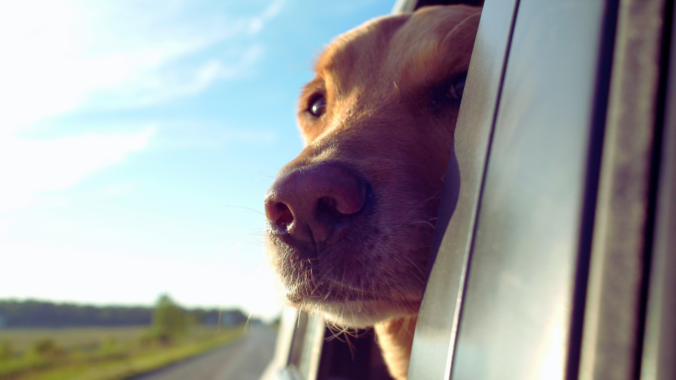
Safety should be a priority when travelling with pets. Ensure they are securely restrained in a crate or with a seatbelt harness designed for pets. Avoid allowing pets to stick their heads out of windows, as this can lead to serious injuries.

Take regular breaks to allow pets to stretch, relieve themselves, and hydrate. Be mindful of temperature; never leave pets unattended in a vehicle, especially in warm weather. Consider using pet seat covers to protect the vehicle’s interior from fur and mess.

Understanding Pet Fees and Policies

Before setting out, it is essential to understand various pet fees and policies. Many hotels or rental properties charge additional fees for accommodating pets. These can vary significantly based on the location and type of accommodation.

Inquire about pet weight limits, breed restrictions, and extra charges when booking. Familiarising oneself with local pet regulations can prevent surprises during the trip. Being aware of these aspects contributes to a smoother experience, allowing for enjoyable adventures with furry companions.

Top Pet-Friendly Destinations

Many travel destinations cater to pet owners, providing accommodations, attractions, and outdoor spaces where pets can join the fun. Choosing the right places ensures a comfortable and enjoyable journey for both pets and their owners.

Pet-Friendly Hotels and Accommodations

Numerous hotels cater to pets, offering welcoming amenities and services. Chains like La Quinta, Kimpton Hotels, and Marriott often have pet-friendly policies, allowing dogs and cats for free or at a minimal fee. Checking specific hotel rules is crucial, as some may limit the number or size of pets.

Accommodations like vacation rentals and Airbnb can be excellent choices, particularly in destinations like Acadia National Park. Many listings specify pet-friendly options, ensuring guests know policies in advance. Use platforms like GoPetFriendly to filter results based on pet-specific criteria, making booking straightforward.

Exploring Pet-Friendly Attractions

In the United States, several attractions allow pets to join the adventure. For art enthusiasts, cities such as Santa Fe offer pet-friendly galleries and outdoor installations. Many museums have specific days or areas where pets are welcome, so checking ahead is advisable.

Outdoor attractions are particularly suitable for pets. Acadia National Park permits dogs on certain trails and in campgrounds, making it a perfect spot for scenic hikes. Local beaches and parks often host dog-friendly events or designated areas, ensuring pets can enjoy their time alongside their owners.

Nature Trails and Parks

Nature trails provide an excellent opportunity for pets to explore and burn off energy. Cadillac Mountain, located within Acadia National Park, features dog-friendly hiking paths. These trails vary in difficulty, catering to different fitness levels while providing stunning views.

Many regional and national parks offer designated areas for pets, ensuring safe and pleasant outdoor experiences. Always adhere to leash laws and clean up after pets to keep the environment enjoyable for all. Websites like GoPetFriendly often provide up-to-date information on specific parks and trails, making planning a pet-friendly adventure manageable.

On the Road with Your Canine Companions

Travelling with dogs requires thoughtful preparation to ensure a comfortable and enjoyable journey. Engaging canines, managing their needs, and being prepared for emergencies are essential for a successful road trip.

Keeping Your Pet Engaged and Happy

Keeping dogs engaged is key to a pleasant travel experience. Toys that are both durable and interactive can help. Consider items like chew toys, stuffed Kongs, or puzzle feeders to stimulate their minds.

Short breaks for playtime at rest stops can make a significant difference. Scenic pull-offs or designated dog parks provide opportunities for dogs to stretch their legs.

Establishing a routine, including regular activities or snacks, can help maintain a sense of normalcy. Bringing familiar items, such as a favourite blanket or bed, can also provide comfort during the journey.

Managing Food, Water, and Breaks

A well-planned approach to food and hydration is vital. Use portable food and water bowls that are non-spill and easy to clean. Keeping portions lighter during travel helps prevent motion sickness.

Frequent stops for bathroom breaks should be scheduled. A general rule is every two to three hours, but individual dogs may require more frequent opportunities.

Always ensure fresh water is available. This could mean filling up at every stop. Dog-friendly rest areas are ideal for both hydration and snack breaks. Healthy treats can keep energy levels stable throughout the trip.

Emergency Preparedness

Emergency situations can arise unexpectedly, so preparation is essential. A pet first aid kit, including bandages, antiseptic wipes, and any necessary medications, should be packed.

Additionally, before addressing emergencies, it is wise for owners to keep their dog’s general health in check so the pet is fully prepared for travel. For instance, common issues like stomach upset can often be eased with a vet-approved probiotic treatment. Similarly, if a dog experiences joint stiffness or mobility concerns, dog arthritis treatment can help maintain comfort and stability during long trips. It is also prudent to keep local veterinarians’ contact information handy. Researching pet-friendly clinics along the planned route helps to address any health issues swiftly.

Make sure dogs wear proper identification, including microchips and collars with tags. This can help reunite them quickly in case they get lost. Additionally, a familiar item, like a favourite toy or blanket, can help provide comfort during stressful times.


Tips for Traveling with Pets: Essential Advice for a Smooth Journey

Travelling with pets can be a rewarding experience, but it requires careful planning to ensure a smooth journey. Understanding your pet’s needs and preparing accordingly can make travel enjoyable for both the owner and the animal. From choosing the right carrier to making necessary arrangements with accommodations, every detail counts.

Many pet owners often overlook the importance of familiarising their pets with travel routines ahead of time. This preparation can help minimise anxiety and make the transition less stressful. Equally, considering the weather and appropriate travel documentation can prevent complications along the way.

Whether it’s a short road trip or a long flight, adopting specific strategies can transform travel with pets into a hassle-free experience. By prioritising the well-being of the pet, they can enjoy the adventure just as much as their owner does.

Preparing for Pet Travel

Effective preparation is crucial for ensuring a smooth travel experience with pets. It involves selecting the right carrier, packing essential items, and taking health and safety precautions for the animal’s welfare.

Choosing the Right Pet Carrier

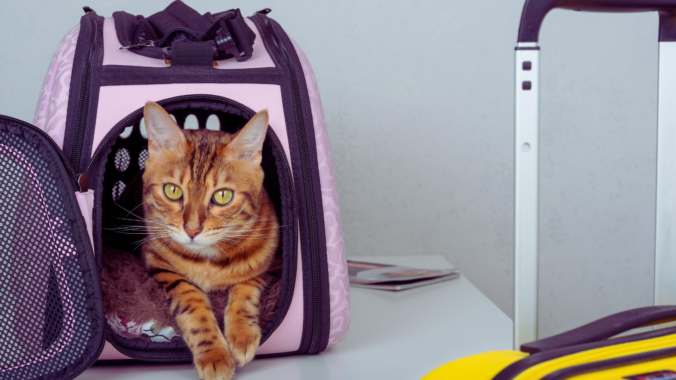
Selecting an appropriate pet carrier is essential for comfort and safety. The carrier should be well-ventilated and spacious enough for the pet to stand, turn around, and lie down comfortably.

Look for a carrier that meets airline regulations if travelling by air. Hard-sided carriers offer better protection, while soft-sided ones provide flexibility.

Consider features like a secure latch, a removable bottom for easy cleaning, and a sturdy handle for ease of transport. Comfort items, such as a familiar blanket or toy, can help ease anxiety during the journey.

What to Include in Your Pet Travel Kit

A well-prepared pet travel kit is vital for a successful trip. Key items include food and water, along with bowls that are spill-proof.

It is advisable to pack a sufficient supply of pet food for the duration of the trip, along with treats. Medications should be included, alongside instructions for administration.

A first aid kit specifically for pets, containing bandages, antiseptic wipes, and any necessary prescription medications, can be invaluable. Don’t forget to include a copy of vaccination records and any important identification for the pet.

Ensuring Your Pet’s Health and Safety

Maintaining health and safety during travel requires diligence. Scheduling a veterinary check-up prior to the trip is wise, particularly to address any specific health concerns.

Invalidating necessary vaccinations beforehand ensures that the pet is protected. It’s essential to confirm that medications are on hand for any travel-related anxieties or health conditions.

Keep the pet secured in the carrier during transit, with regular breaks for stretching and hydration. Monitoring the pet for signs of stress or discomfort can help in addressing issues promptly.

Accommodations and Destinations

Choosing the right place to stay and selecting suitable destinations are crucial for a smooth journey with pets. This section explores how to find pet-friendly accommodations and identify destinations that welcome furry companions.

Finding Pet-Friendly Accommodation

When searching for pet-friendly accommodation, it is essential to consider specific factors. Many hotels, lodges, and rental properties now accommodate pets. They often have policies regarding pet size, breed restrictions, and additional fees.

Some key tips include:

  • Use specialised websites: Platforms like BringFido and Petswelcome focus on pet-friendly listings.
  • Check reviews: Reading experiences from other pet owners can provide valuable insights.
  • Contact establishments directly: To clarify policies and ask about amenities such as pet beds or bowls.

It’s beneficial to book in advance, especially during peak travel times, to ensure availability.

Researching Pet-Friendly Destinations

Not all destinations are created equal when travelling with pets. Identifying locations that embrace furry friends can enhance the overall experience.

Several factors to consider:

  • Local laws: Know the regulations regarding pets in public spaces.
  • Pet-friendly attractions: Look for parks, beaches, and trails that welcome pets.
  • Accommodations: Ensure the area provides ample options for pet-friendly lodging.

Cities like Edinburgh and Brighton are known for their pet-friendliness, offering a range of activities suitable for pets. Always research potential destinations in advance to ensure that pets will enjoy the trip as much as their owners.

During the Journey

A successful journey with pets requires careful planning to ensure their comfort and security. Key considerations include providing familiar items and planning for necessary breaks.

Keeping Your Pet Comfortable and Secure

To keep pets calm during travel, it’s essential to create a comfortable environment. Utilise comfortable bedding in their carrier or travel space to provide a familiar resting area. Adding familiar toys can help alleviate anxiety and make them feel at ease.

Securing pets is crucial for safety. A pet seatbelt or a secure crate can prevent distractions while driving and protect the pet in case of sudden stops. Regularly check that the pet is comfortable and stable, adjusting bedding or toys as needed. Offering water every hour can keep them hydrated, ensuring they feel relaxed during the ride.

Planning for Rests and Bathroom Breaks

Planning for rest stops is essential for a smooth journey. Schedule breaks every 2-3 hours, especially on long trips. This allows dogs to stretch their legs and explore their surroundings, reducing restlessness.

Bathroom breaks are equally important. Bring along waste bags to ensure clean-up is easy. It’s beneficial to designate a specific area for bathroom breaks to establish a routine. For cats, consider bringing a portable litter box if travelling by car. This preparation ensures that both the pet and owner have a more pleasant travelling experience.

Special Considerations

When travelling with pets, certain factors must be addressed to ensure safety and compliance. This includes understanding the regulations surrounding service animals and their specific needs.

Accommodating Service Animals

Service animals play a crucial role in assisting individuals with disabilities. It is vital to note that only dogs qualify as service animals under UK law, and they must be trained to perform specific tasks.

Before travelling, it’s imperative to research and confirm that accommodations allow service animals. Many hotels and transport providers have specific policies.

Documentation may be helpful, so having proof of the animal’s training can facilitate smoother interactions. It’s also important for the pet owner to ensure their service animal is well-behaved and accustomed to travel environments. This preparation minimises potential disruptions during the journey.


© 2026 Hex and Ginger

Theme by Anders NorenUp ↑