DISCOVER THE ADVENTURES OF KATE, HEX, AND GINGER

Category: The Furry Lifestyle (Page 1 of 2)

How to Create the Perfect Indoor Playground for Cats: A Guide for Feline Fun

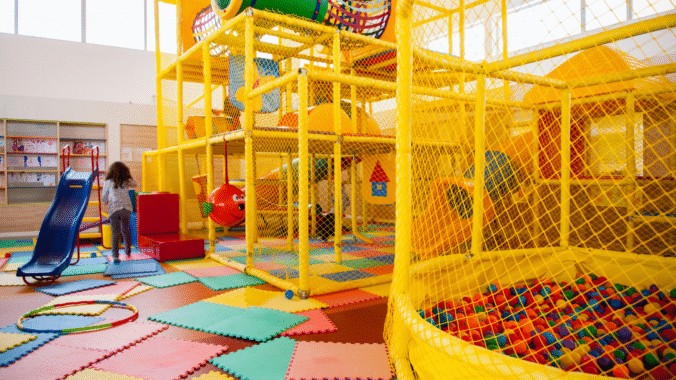
Creating the perfect indoor playground for cats enhances their physical and mental well-being while keeping them entertained. A well-designed space incorporates climbing structures, interactive toys, and safe zones to provide stimulation and comfort. This not only satisfies a cat’s instincts but also reduces boredom and unwanted behaviours.

An ideal setup includes vertical spaces like shelves or cat trees that allow for climbing and exploring. Additionally, incorporating scratching posts, tunnels, and engaging toys encourages active play. Ensuring the area is cat-friendly and safe is crucial for a successful indoor playground.

By paying attention to a cat’s preferences and behaviours, owners can curate a personalised environment that enriches their feline friends’ lives. This thoughtful approach leads to happier, healthier cats who thrive in their indoor habitats.

Planning the Ideal Indoor Playground

Creating an engaging indoor playground for cats involves careful consideration of space, materials, and location. The following subtopics focus on assessing the available area, selecting appropriate materials, and determining the best location for the playground.

Assessing Space and Layout

Before implementing an indoor playground, it’s essential to assess the available space. Measure the dimensions of the room where the playground will be set up, taking into account any furniture or obstacles.

Design a layout that maximises playability. Areas for climbing, scratching, and resting should be distinct yet accessible. Consider using vertical space, such as shelves or wall-mounted platforms, to allow indoor cats to explore and climb.

A well-designed layout incorporates various zones, such as a play area with toys and a quiet nook for relaxation. This variety caters to different behaviours, ensuring the indoor cat remains stimulated.

Selecting Safe and Engaging Materials

Selecting the right materials is crucial for safety and engagement. Use non-toxic, durable materials for structures and toys, like sisal for scratching posts and carpet for climbing areas.

Incorporate a mix of textures and colours to stimulate the cat’s senses. Items such as tunnels, balls, and feather wands can encourage active play.

Ensure that any fixtures are sturdy and securely mounted to prevent accidents. Remove any hazardous items, such as small parts that could be swallowed or sharp edges, to create a safe environment for indoor cats.

Choosing the Right Location

The location of the playground significantly impacts its usage. A well-lit area is ideal, as cats need natural light. Place the playground near windows to provide views of the outdoors, which can keep cats entertained.

Avoid high-traffic areas that may disturb the cat’s playtime. Respect the need for privacy by situating the playground in a quieter corner of the house.

Consider the ambient temperature and accessibility. Indoor cats may prefer spaces that are temperature-controlled and easy to navigate. A comfortable environment encourages regular engagement with the playground.

Building Core Structures for Play

Creating core structures for an indoor playground enhances feline engagement and activity. Focused on cat trees, scratching posts, and tunnels, these elements provide essential pathways for exercise and exploration.

Incorporating Cat Trees and Towers

Cat trees and towers serve as multifunctional play areas. They offer vertical space, which is vital for a cat’s natural climbing instincts. A well-designed cat tree should include multiple levels, enabling cats to leap and survey their territory.

When selecting a cat tree, consider the material. A sturdy base and durable fabrics are ideal to withstand playful antics. Incorporating platforms and ramps can facilitate access to different heights, catering to the abilities of various cats. For added interest, include interactive features like dangling toys or sisal-wrapped areas for scratching.

Adding Scratching Posts and Shelves

Scratching posts are essential for satisfying a cat’s instinct to scratch. They help maintain claw health and deter destructive behaviours on furniture. Including various types and heights of scratching posts provides options that cater to personal preference.

Positioning scratching posts near play areas maximises their use. Combine vertical posts with horizontal surfaces to cover different scratching styles. Furthermore, installing shelves can enhance the playground’s levels, offering cats a place to perch and observe. Shelves should be securely mounted, ensuring safety while allowing cats to explore.

Designing Tunnels and Hideaways

Tunnels provide an exciting element for cats to explore, promoting exercise and mental stimulation. They can be made from soft materials or hard structures, depending on the desired aesthetic and durability.

When designing tunnels, ensure they have varying lengths and widths to spark curiosity. Some tunnels can include openings for a multi-dimensional feel. Hideaways, such as covered boxes or enclosed spaces in the playground, offer retreat options for shy or resting cats. These spaces can help cats feel secure while still being part of the playful environment.

Enhancing Enrichment and Activities

Creating an engaging indoor playground for cats involves integrating various elements that promote mental stimulation and physical activity. This section explores how to use interactive toys, puzzle feeders, and other sensory components to create a stimulating environment.

Integrating Interactive Toys and Puzzle Feeders

Interactive toys play a crucial role in keeping cats entertained and mentally engaged. Examples include feather wands, laser pointers, and battery-operated toys that mimic prey movements. These toys encourage cats to engage in natural hunting behaviours, providing a valuable outlet for their instincts.

Puzzle feeders are another excellent addition. They challenge cats to work for their food, promoting both mental alertness and physical activity. Selecting puzzle feeders that require different techniques, such as spinning, sliding, or flipping, can also keep cats interested. Regular rotation of these toys will prevent monotony and maintain a high level of engagement.

Offering Mental Stimulation and Cat Activities

Incorporating various activities into the cat’s daily routine is essential. Engaging in play sessions with toys allows cats to exercise their instincts and burn off excess energy. Scheduling at least two short play sessions a day can significantly improve a cat’s overall mood.

Additionally, providing scratching posts and climbing structures can enhance the indoor environment. Cats naturally enjoy climbing and scratching, so including vertical elements will give them a sense of territory. Creating an obstacle course using items like cardboard boxes and tunnels can also stimulate their curiosity and encourage exploration.

Introducing Cat Grass and Sensory Elements

Introducing cat grass can enhance the indoor experience by providing sensory stimulation. Cats generally enjoy the texture and taste of cat grass, which can aid their digestive health. It is a natural, safe alternative to regular household plants that may be harmful.

Incorporating other sensory elements, such as soft bedding and varied textures, can further create an inviting space. Additionally, utilising pheromone diffusers may help create a calming atmosphere. Providing a variety of stimuli helps satisfy the cat’s instincts, ultimately leading to a happier, healthier indoor environment.

Providing Safe Outdoor Experiences Indoors

Creating an environment that mimics outdoor experiences can greatly enhance a cat’s quality of life. Incorporating specific features helps fulfil their instincts while keeping them safe indoors.

Implementing a Catio or Outdoor-Inspired Features

A catio provides a secure way for cats to enjoy the outdoors without the risks associated with roaming free. These enclosed spaces can be attached to windows or doors, allowing for safe access to fresh air and sunshine.

  • Size and Design: Catios vary in size. They can be small window boxes or large walk-in structures. Choosing a design that fits the available space is essential.
  • Materials: Use sturdy materials such as wood or metal with secure mesh to prevent escapes. Ensure the structure is well-ventilated and protected from harsh weather.
  • Access Points: Include ramps, shelves, and tunnels for adventurous climbing and exploration. Plants safe for cats can enhance the natural feel.

Exploring Cat TV and Entertainment

Cat TV provides visual stimulation for indoor cats. This can help replicate the excitement of outdoor experiences without exposure to potential dangers.

  • Content Types: Look for videos featuring birds, fish, or small mammals that cater to their hunting instincts. Many platforms offer dedicated channels for cats
  • Environment Setup: Position a comfortable perch near the screen. This allows the cat to watch actively, simulating stalking behaviour.
  • Interactive Elements: Consider products like laser pointers or feather wands that mimic hunting and allow for playtime enjoyment. Regularly rotating toys keeps the experience fresh.

These indoor features create a safe yet engaging environment, fulfilling a cat’s desire for outdoor experiences while prioritising their security.

 

How to Build a Stronger Bond with Your Feline Friend

Building a stronger bond with a feline friend requires patience and understanding. Cats are unique creatures with distinct personalities, making it essential to approach the relationship with care. Engaging in regular playtime and offering affection on their terms can significantly enhance the connection between a cat and its owner.

Establishing a routine that includes interactive play can stimulate a cat’s mind and body, fostering trust and companionship. Providing a safe environment allows them to express their true selves, strengthening the overall bond.

Recognising and respecting a cat’s boundaries is crucial. Through gentle communication and the right amount of attention, one can create a harmonious relationship that benefits both the cat and the owner.

Understanding Feline Communication

Feline communication encompasses various forms, including body language and vocalisations. By recognising these signals, pet owners can enhance their relationships with their cats.

Reading Cat Body Language

Cats communicate significantly through their body language. Key postures include:

  • Tail Position: A high tail indicates happiness, while a low or tucked tail may signify fear or submission.
  • Ear Orientation: Forward-facing ears show curiosity, while backward-facing ears can indicate aggression or irritation.
  • Paw Movements: Kneading suggests contentment, whereas raised paws may signal a defensive stance.

Understanding these indicators helps decipher a cat’s mood and intentions. Observing the entire posture rather than individual signs is essential for accurate interpretation.

Interpreting Vocalisations

Cats use various vocalisations to express their needs and feelings. Common sounds include:

  • Meowing: This is often directed at humans and can vary in pitch to convey different emotions, such as hunger or affection.
  • Purring: Typically associated with contentment, purring can also occur when a cat feels unwell, highlighting its complexity.
  • Hissing or Growling: These sounds indicate discomfort or aggression, signalling the cat’s desire to be left alone.

Each vocalisation type has distinct meanings, requiring careful attention to context and frequency for interpretation.

Recognising Cat Behaviour

Behavioral patterns provide crucial insights into feline communication. Notable behaviours include:

  • Grooming: Cats groom themselves to maintain hygiene, but they may also groom their owners or other cats as a sign of affection.
  • Playfulness: Engaging in play can indicate a healthy, happy cat but may also serve as a display of hunting instincts.
  • Territorial Marking: Scratching furniture or rubbing against objects helps establish their scent territory, a natural behaviour rooted in instinct.

Recognising these behaviours enriches the bond with a feline friend and enhances mutual understanding.

Creating Trust and Positive Interactions

Building a strong bond with a cat requires establishing trust and encouraging positive interactions. Respect and understanding are crucial in fostering a relationship where both the cat and the owner feel secure and happy.

Respecting Your Cat’s Consent

Cats have individual personalities and preferences. Recognising and respecting their consent is vital in building trust. They may signal their comfort level through body language, such as purring, rubbing, or withdrawing.

When approaching a cat, take your time. Allow them to initiate contact. If a cat turns away or shows signs of discomfort, it is essential to respect their space. Gradually building up to physical affection can help create a more trusting environment.

Using Positive Reinforcement

Positive reinforcement is an effective method for encouraging desirable behaviours in cats. This can entail rewarding good behaviour with treats, praise, or petting. Consistency is key. Each time a cat exhibits a behaviour you wish to encourage, provide a reward immediately.

Cats respond well to specific cues. Use a distinct sound or phrase when rewarding them. This establishes a link between the behaviour and reward, helping them understand what actions are desirable. Avoid punishment, as this can lead to fear and mistrust.

Establishing Safe Boundaries

Setting clear boundaries benefits both the cat and the owner. Cats thrive in environments where they feel secure and know what to expect. Designate areas in the home that are off-limits to the cat and ensure they have their own safe spaces.

Providing a range of enrichment activities, such as scratching posts and toys, can redirect unwanted behaviours. Consistent boundaries reinforce trust, showing the cat that the owner understands their needs. This clarity helps create a stable and secure environment, fostering a stronger bond.

Enhancing the Bond Through Daily Engagement

Daily interaction is essential to strengthen the relationship between a person and their feline companion. Engaging in regular activities tailored to a cat’s preferences fosters trust and affection. The following strategies can significantly enhance this bond.

Interactive Play and Enrichment

Interactive play is crucial for a cat’s mental and physical well-being. Engaging in activities such as chasing laser pointers or feather wands allows for natural hunting behaviours to be expressed.

Setting aside time each day for play can prevent boredom and reduce unwanted behaviours. Use various toys to discover what captures the cat’s interest the most. Some cats may prefer toys that mimic prey, while others enjoy puzzle feeders that challenge their problem-solving skills.

Creating an enriched environment is equally important. Use cat trees, scratching posts, and window perches to provide stimulation and promote exploration.

Building Routine and Consistency

Cats thrive on routine, which helps them feel secure. Establishing consistent feeding times and play sessions allows a cat to anticipate daily activities, reinforcing the bond.

Beyond feeding and play, incorporating grooming into a daily routine can enhance trust. Regular brushing sessions not only keep the coat healthy but also create opportunities for affection.

Setting predictable patterns in interactions demonstrates reliability, making the cat feel safe. Owners should observe their pets’ cues to adjust routines based on individual preferences, ensuring that the engagement is always tailored.

Addressing Individual Cat Needs

Each cat has unique preferences and personality traits. Some may enjoy frequent interaction, while others may prefer limited social time. Understanding these individual needs is vital for building a strong bond.

Pay attention to body language; signs of discomfort include flattened ears or a twitching tail. In contrast, purring and slow blinking indicate a relaxed state and readiness for interaction.

Offering choices, such as hiding spots or preferred resting areas, empowers the cat and acknowledges their independence. Providing options ensures that the feline maintains autonomy while developing a more profound connection during shared activities.

Ensuring Privacy and Security in Your Cat’s Environment

Creating a safe and secure environment for a cat involves managing both their physical space and the information related to their well-being. It is essential to consider how privacy settings can protect your cat’s home and ensure their comfort.

Managing Privacy Settings for Your Cat

Cats thrive in environments that offer security and an element of privacy. To enhance this, it is vital to provide secluded spaces where they can retreat, such as cat trees or enclosed beds.

Tips for Managing Privacy:

  • Create High Spaces: Cats feel safer when they can observe their surroundings from above.
  • Designate Quiet Areas: Prepare a room or corner that is free from disturbances.
  • Utilise Screens: If using technology, like cameras to monitor pets, ensure privacy settings are adjusted to limit data sharing.

Regularly check any devices in the home to manage privacy settings. Reject unnecessary data collection while keeping only those that enhance your cat’s experience.

Data and Personal Information: What Matters at Home

As pets are integrated into the digital world, it is crucial to manage personal data effectively. This includes understanding the implications of using smart devices for pet care.

Key Considerations:

  • Geolocation Data: Ensure devices that track movements do not share location data publicly.
  • Cookie Policy: Review privacy policies related to any apps used for pet monitoring, and reject non-essential cookies.
  • Analytics and Search Data: Monitor apps that gather analytics about pet behaviour. Only use services that adhere to strict data protection standards.

By authenticating users and implementing robust security measures, unnecessary exposure to spam or data breaches can be prevented. By addressing these factors, a cat’s home environment becomes both comfortable and secure.


DIY Cat Toys: How To Make Your Own Simple But Fun Toys

Do you have a cat that loves to play? If so, you know that they need plenty of toys to keep them entertained. But buying toys can be expensive, and sometimes your cat just doesn’t want the same old boring toy over and over again. That’s where DIY cat toys come in! In this article, we’ll show you how to make your own simple but fun toys for your kitty.

Some Easy DIY Cat Toys You Can Make

If you’re looking for some easy DIY cat toys that your feline friend will love, check out these five fun and simple projects!

  • Catnip Crates: These simple wooden crates can be filled with dried catnip to provide hours of fun for your kitty. Just be sure to remove the toy once it’s consumed all the kitty snacks!
  • Yarn Balls: If your kitty loves to play fetch, make a set of yarn balls that she can fetch and bring back to you. You can even customise the colours and patterns using felt scraps or paint.
  • Pipe Cleaners: Fill a small plastic pipe cleaner with treats or kibble and tie it off at one end with a rubber band. Your cat will have endless fun batting the goodies around while trying to untie them!
  • Playdough: This classic childhood toy is great for cats too! Just mix together some flour, salt, water, and oil in a bowl, then start kneading until you have a malleable dough. It’s best to store playdough in an airtight container so it lasts longer.
  • Feather Dusters: Use pieces of old socks or fabric scraps as feathers on these soft duster toys for your kitty to pounce and play with.

How to Make a Simple Ball Toy

In this guide, you’ll learn how to make a simple but fun ball toy for your cat! All you need is a small piece of cardboard, some stuffing, and an elastic band.

  1. Start by cutting the cardboard into a small circle, about 1 inch in diameter.
  2. Place the stuffing inside the circle, and then squeeze it together until it’s tightly packed.
  3. Tie the elastic band around the outside of the toy, so that it’s snug against the stuffing.
  4. Your ball toy is ready to play with! Give it to your cat and watch them have lots of fun trying to get it out!

How to Make a Simple Toy Mouse

Making a simple toy mouse is easy and fun. All you need is a small piece of cardboard or paper, scissors, a pencil, paint or a marker. Next, follow the steps below:

  • Cut out a small circle from the paper or cardboard. This will be the mouse’s body.
  • Draw a pair of feet on the circle, about an inch in height.
  • Paint or marker the mouse’s nose, eyes, and mouth.
  • Fold up the circle so that the feet are inside, and glue it to the bottom of the cardboard or paper mouse body.

How to Make a Simple Scratching Post

Making your own simple but fun toys for your cat can be a lot of fun. You can make scratching posts out of unused furniture, or you can buy scratch pads made specifically for cats. There are also many commercially available toys that are both simple and fun for your kitty to play with. Here are some tips on how to make your own simple but fun toys:

  • Choose an appropriate substrate. A scratching post should be firm enough not to wobble, but soft enough so that your cat can’t damage it with heavy scratching. You can use any type of substrate, as long as it’s strong and won’t break when your cat scratches it. If you’re using a piece of furniture, be sure to sand the surface down first to avoid scratches.
  • Decide on the design and construction of the toy. You can either make a scratch post out of wood or plastic or buy a pre-made scratching post from the pet store or online retailer. If you’re making a scratch post out of wood, be sure to stain or paint it before construction begins so that it matches your cat’s natural markings or colour scheme!
  • Assemble the toy according to the instructions that came with it or find online instructions specific to the toy you’re building. Be sure to attach legs if necessary and test the toy before giving it to your cat!

Save Money and Create DIY Cat Toys

If you’re looking for some fun and simple homemade cat toys, this guide is for you. By following these easy steps, you can create toys that will keep your feline friend entertained for hours on end. Whether you are a beginner or an experienced crafter, we hope you find the information in this article useful. Have fun making your own cat toys and let us know how they turn out!

How to Create a Pet-Friendly Home

Are we looking to make our home a comfortable and safe haven for our furry friend? Look no further! Creating a pet-friendly home doesn’t mean compromising style or functionality. With our expert tips, we can design a space that caters to our loyal companion’s needs. From durable flooring to cosy beds, we’ve got everything covered so that we can enjoy the company of our four-legged family member without any hassle. So let’s dive in and transform our house into a paw-some paradise!

Choosing Pet-Friendly Materials and Furniture

If we’re considering adding a pet to our family, it’s essential to consider what environment they’ll be living in. A pet-friendly home will provide plenty of surfaces and areas to explore and comfortable furniture that accommodates their size and personality. When choosing materials for our home, be sure to take into account how pets might react. Soft fabrics like cotton or wool are great for humans but can be scratchy or dangerous for pets’ claws. Instead, choose materials like sisal or bamboo, which are softer on the skin but still durable.

Consider how our pet will use the space when furnishing our home. If we have a dog, consider including a large breed-specific dog house in the backyard so they have a place to go when they need some alone time. If we have a cat, try stacking several Persian rugs so they have many places to play and hide.

And, if we have any smaller animals like guinea pigs or hamsters, make sure their cages are big enough for them to move around comfortably.

Securing Potential Hazards

Creating a pet-friendly home is essential for our safety and our furry friends. Here are some tips on how to create a safe and comfortable environment for all creatures residing in our home:

  • Keep the floors clean. This may seem obvious, but ensuring the floor is regularly swept and vacuumed will help prevent accidents and keep our home cleaner.
  • Make sure windows are properly sealed. Pets can accidentally escape through small openings, so it’s essential to ensure windows are properly closed to prevent them from escaping.
  • Lock up all doors and gates. Pets can quickly escape their enclosures if not secured properly. Ensure each door and gate has a secure lock and proper signage indicating which areas are off-limits to pets.
  • Install fencing or barriers. If we don’t want our pet to be able to access certain areas of the house, install fencing or barriers around those areas. Be sure to use barriers made from sturdy materials that won’t easily break down, as pets can be quite strong!

Training for Good Behaviour in the Home

House training a pet can be daunting, but it can be done with the proper techniques and patience. One of the most important things we can do is to train our pets from an early age. This will help them understand our rules and behaviours in the home. Establishing basic rules is one of the easiest ways to train our pets. Ensure all our pets know not to chew on furniture or other personal belongings. Also, make sure they know not to greet people at the door or jump on them when they come home. Another important rule is to keep pets confined during certain times of the day or when we’re not home. This will help prevent them from getting into trouble and keep them safe from other animals in the neighbourhood.

If our pet breaks these rules, take corrective action immediately. Try to find out why they behaved that way and use that information to teach them better behaviour in the future.

Regular Cleaning and Maintenance

Regular cleaning and maintenance of our home will help keep it healthy for us and our pets. Here are a few tips to get started:

Keep Windows and Doors Clean

Pets can enter and exit our homes through these openings, so keeping them clean is essential. Also, pet hair can be frustratingly difficult to remove from glass. Use a window cleaner specifically designed for this purpose.

Teach Pets Good House Manners

Teaching our pets proper litter-box etiquette and avoiding high-traffic areas will significantly reduce the messes they make in our homes. Ensure we provide plenty of toys and chew bones so they have something to do while we’re away!

Vacuum Regularly

Not only does a regular vacuum help remove debris, but it also helps circulate air throughout the house, which is especially beneficial for cats who love to nap high up in trees or on top of furniture (or humans!). Be sure to use a vacuum with a HEPA filter if possible; dust mites can thrive in an unclean environment.

A Comfortable and Pet-friendly Home

Creating a pet-friendly home can be challenging, but it’s ultimately worth it. Aside from providing our pets with the companionship they crave and need, creating a welcoming environment also helps keep our house clean and allergens-free. By following these simple tips, we can create a space that is both comfortable and accommodating for all of our furry friends.

Pet Insurance: The Numbers Behind The Price

If we own a pet, we know just how expensive it can be to keep our four-legged friend alive and well. As soon as our furry companion is old enough for their first vaccine, their medical bills could pile up and make insurance worth the investment.

What is Pet Insurance?

Pet insurance is one of the most popular types of insurance. It is specifically designed to protect our pets from accidents or injuries. In 2017, the market for pet insurance was worth $30 billion. That’s a lot of money! Here are some interesting facts about pet insurance:

  • The average cost of pet insurance is $131 per year
  • The most common reason people buy pet insurance is to cover their pets in case of an accident or illness
  • People with pets generally have a much higher risk of having an accident or injury, and pet insurance helps cover those risks
  • Pet insurance can also help cover our pet’s medical expenses if hospitalised
  • Most pet insurance policies cover animals of all ages, sizes, and breeds

Types of Pet Insurance

There are a few different pet insurance policies, each with advantages and disadvantages. Here’s a look at the most common types:

Partial Pet Insurance

This policy only covers specific medical expenses for our pet, such as surgery or medication. The policy may have annual or lifetime limits on coverage, and we may need to pay upfront for some services.

Full Pet Insurance

This policy covers all costs associated with our pet’s health, including surgeries, medications, emergency care, and even cremation or burial costs if our pet dies. Policies typically have lower annual or lifetime limits than partial policies, and we may be able to claim reimbursement for certain expenses without having to file a claim.

Supplemental Pet Insurance

This type of policy is similar to full insurance but only provides coverage if our standard pet insurance policy does not cover our specific needs. For example, supplemental policies might only cover veterinary bills if our ordinary policy doesn’t cover illness or injury treatment. Supplemental policies typically have higher annual or lifetime limits than other types of pet insurance policies.

Declawing Coverage

Some pet insurers offer coverage for declawing procedures done on cats and dogs as part of their comprehensive plan. Declawing is a surgical procedure that removes the last bone in the paw so cats and dogs can’t claw the furniture and other surfaces inside and outside the home. Because declawing is considered a cosmetic

Things to Consider When Buying Policy

When shopping for pet insurance, there are a few things to consider:

  • The first is the deductible. This is the amount we have to pay before our policy starts coverage. The higher the deductible, the less we’ll have to pay premiums.
  • The next thing to consider is the coverage type. There are three types of coverage: general liability, personal injury protection, and property damage liability. General liability coverage protects us from lawsuits that arise from our pet’s actions or injuries. Personal injury protection covers us if someone else is injured due to our pet’s behaviour. Property damage liability covers costs if our pet damages someone else’s property.
  • We also want to consider how much insurance our pet needs and what risks we’re willing to cover. Some policies only cover pets up to a certain weight or size. In contrast, others will cover any animal, including horses, cows, and reptiles. Finally, comparing rates is crucial to find one that fits our budget and meets our needs.

How Much Does it Cost?

A few factors go into setting the price of pet insurance, but the biggest one is the type of policy we purchase. For example, policies with higher deductible levels will cost more than those with lower ones. Additionally, there are typically specific features that come with each type of policy, such as coverage for accidents caused by other pets, which can add to the cost.

One important thing to remember is that pet insurance is only sometimes necessary. A lot of times, if something happens to our pet and it’s not covered by their health plan or our homeowner’s insurance, we can still gather some money together and pay for veterinary care. That being said, there are a lot of benefits to buying pet insurance, so it’s worth researching before making a decision.

Things to Know Before Buying a Policy

When it comes to pet insurance, the price can be deceiving. Here are a few things to know before buying a policy:

  • The price of a policy is based on the type of coverage we need and our pet’s age and breed
  • A standard policy for a dog or cat costs about $25 per month
  • If we have more than one pet, we’ll need to buy an individual policy for each one
  • Some companies will offer discounts if we purchase a policy online or through an agent
  • There are several types of policies available, including medical only, health plus accidents, and health plus death
  • We should also consider whether our pet needs specific coverage, such as vision or dental care

Pet Insurance Only for Our Beloved Furry Creatures

There are a lot of myths surrounding pet insurance, but one of the most prevalent is that it’s expensive. Pet insurance can be affordable, depending on our needs and coverage. One crucial factor to consider when shopping for pet insurance is the deductible. This is the amount we have to pay out-of-pocket before our policy kicks in. A low deductible will save us money, while a high deductible may provide more protection in an accident or emergency. Another essential consideration is coverage type. Many policies offer medical and behavioural coverage, but some only provide medical coverage. For example, purchasing just medical coverage may be sufficient if we only have behavioural issues with our pets. Finally, make sure to compare rates and policies before signing up. Several online resources offer free comparisons to get the best pet insurance deal tailored to our needs.

The Importance of Regular Exercise for Our Pet

As pet parents, we want our furry kids to be happy and healthy. Like humans, pets need physical activity to maintain their overall well-being. Whether going for a walk or playing fetch in the backyard, incorporating exercise into our pet’s daily routine can do wonders for their health and happiness. In this blog post, we’ll dive into the importance of regular exercise for our pets and explore some fun ways to get them moving!

Preventing Obesity and Maintaining a Healthy Weight

Obesity is a significant problem in the United States. According to the Centers for Disease Control and Prevention, more than one-third of American adults are obese, and the numbers continue to rise. Obesity can lead to many health problems, including heart disease, stroke, type 2 diabetes, some types of cancer, and arthritis.

One way to prevent obesity in our pets is to make sure they get regular exercise. Exercise not only helps keep our pet trim and healthy, but it also has many other benefits. Exercise can improve their moods and energy levels, help them sleep better, and reduce stress. It can also help them learn new tricks and become better behaved overall.

Make sure we give our pet plenty of opportunities to exercise. If we have a small home or yard, try setting up a play area where they can run around freely. Consider allowing them to play fetch or Frisbee outside if we have a large yard. And don’t forget about indoor activities; Petscanning provides a variety of toys that can be played with indoors and outdoors.

Enhancing Socialisation 

For many pet owners, one of their most cherished relationships is with furry friends. While animals provide companionship, exercise, and entertainment, it’s also essential to ensure that this relationship is healthy and beneficial for both parties. One way to do this is through regular socialisation.

Socialisation is the process of exposing a developing animal to a variety of different people, places, and things. This helps create bonds between the pet and owner and teaches the pet how to behave around other people and objects. It’s also essential to make sure that our pet gets enough exercise. Exercising regularly helps to keep them mentally and physically fit.

In addition, being physically active helps reduce anxiety in pets, which can lead to better behaviour overall. When taken together, these two essentials form the foundation for a healthy relationship between pets and their owners – one that provides years of enjoyment for everyone involved!

Stimulating the Mind and Reducing Boredom

When it comes to keeping pets healthy and entertained, regular exercise is one of the most important things we can do. Not only does exercise help keep our pets active and out of trouble, but it also positively impacts their mental health. While some animals may be naturally active, many others may become bored and inactive if they don’t have enough things to do. By providing our pets with various activities and toys to play with, we can help stimulate their minds and reduce boredom in the home. Furthermore, providing our pets with fresh air and sunlight is essential for their mental well-being. Exposure to natural light helps promote mood stability and energy levels. In contrast, fresh air helps clear the lungs and improve breathing.

Increase Lifespan 

The benefits of regular exercise for our pets go beyond just making them look and feel good. Regular exercise has increased lifespan and reduced the risk of chronic diseases such as heart disease, stroke, arthritis, diabetes, obesity, and certain cancers. In a study published in the journal “PLoS One,” researchers examined data from more than 2,000 dogs participating in a long-term study on canine ageing. The results showed that dogs who exercised regularly had a significantly longer lifespan than those who didn’t. And even more surprisingly, exercisers also had a lower incidence of chronic diseases such as heart disease, cancer, and arthritis.

There are many different ways to get our pets involved in regular exercise. Some simple options include walking or playing fetch with them outdoors. More advanced exercises can be incorporated into obedience training or agility classes. Whatever route we choose, provide plenty of positive reinforcement, so our pet knows they’re doing well.

Maintain a Healthy Appetite and Digestive System

Pets need exercise to maintain a healthy appetite and digestive system. Regular physical activity helps keep our pet’s weight in check and helps them burn off excess energy. Plus, it helps improve their mental health by providing them with something to do. If our pet is overweight or has any health issues, make sure they get plenty of exercises. Try to get them up and moving for at least 30 minutes daily, whether taking them for a walk or running them around in a backyard kennel. If we can’t take our pets out for a walk, try setting up an indoor play area where they can run and play without worrying about getting dirty. Also, be sure to feed our pets their regular food and water on schedule and give them access to fresh water at all times. If our pets have trouble keeping their weight down or have other health concerns, talk to their veterinarian about what kind of exercise might be best for them.

Paws-itive Benefits of Regular Exercise are Limitless

Regular exercise is essential for humans’ and pets’ health and well-being. When exercised regularly, pets are less likely to develop obesity, diabetes, heart disease, joint pain, cancer, and other chronic conditions. Pets that engage in regular exercise tend to have longer life spans than those who don’t receive adequate physical activity. There are many benefits to incorporating regular exercise into our pet’s routine – just be sure to provide a safe environment for them to play in as well!

The History of Pets as Human Companions

Pets have been our constant companions for thousands of years. We have kept them by our side through thick and thin from ancient times to the present day. Whether a faithful dog or a loyal cat, pets have provided us with unwavering love, support, and companionship. But how did this unique bond between humans and animals come about?

In this blog post, we’ll embark on a journey to explore the fascinating history of pets as human companions. So sit back, relax, and get ready to discover some surprising facts about our furry friends!

The Evolution of Pets Throughout History

There is no one answer to when and where pets first became a common part of human life. However, archaeological evidence suggests that humans may have kept domesticated animals as companions at least 10,000 years ago. Pets may have originated from animal species that humans hunted or gathered for food, but over time they developed into companion animals used for emotional support.

One example of early pet ownership is the discovery of a 2,500-year-old dog burial in Cyprus. The dog was buried with jewellery and a ceramic pot, suggesting it might have been considered a valuable family member. Over time, other cultures began to adopt similar practices, and by the Middle Ages, there were reports of people in Europe keeping dogs as loyal companions.

Pets have been treated differently depending on their location and culture. For example, in Ancient China, dogs were considered dirty animals that should be kept inside and only allowed out during hunting seasons. In contrast, in Ancient Greece, dogs were considered divine creatures that could protect their owners from evil spirits.

Despite these different attitudes towards pets throughout history, they have always remained popular companions. By the 20th century, pets had become an increasingly common part of everyday life, and today millions of people worldwide rely on them as essential members of their families.

The Role of Pets in Early Human Societies

The use of pets as human companions is an ancient tradition that dates back to prehistoric times. Pets served many purposes in early human societies, including serving as sources of comfort and security, providing entertainment, and aiding in the spread of disease. Pets also played a role in early religious ceremonies and were often considered sacred animals.

Pets were trendy among the nobility and wealthy members of society in ancient times. They were often kept as show animals or working animals, such as dogs for hunting or horses for riding. Pets also served as loyal companions during wartime and famine conditions.

Today, pets remain an important part of many human cultures worldwide. Pets are often treated with compassion and care. They are considered household members rather than mere creatures to be tamed or controlled.

Royal Companions and Hunting Partners

In the Middle Ages and Renaissance, many royals had hunting companions acting as loyal servants and trusted friends. These animals were typically dogs or horses, but other creatures like boars and bears were also famous. Hunting was an essential part of medieval life, and these companions helped to make it a thrilling experience.

Dogs served different purposes for different people in the Middle Ages and Renaissance. Some nobles might keep several hunting dogs to help them track down the game. But commoners often relied on their dogs to protect their homes and families from theft or attack. Dogs were also trained to help with other tasks, such as signalling a warning when a hawk was sighted or retrieving a fallen bird.

Horses played an equally important role in medieval society. Not only did they provide transportation, but they were also used for warfare and racing. Royalty often kept many horses for various uses, including riding into battle or participating in horse races. Horsemanship was an essential skill for nobles and commoners alike, and horse training was a significant undertaking for anyone wanting to own one.

Other animals used in medieval times included boars, bears, falcons, jackdaws, pigeons, and ravens. While some creatures were used primarily for hunting or warfare, others symbolised power or status. For example, royalty often kept falcons because they could hunt small game very easily while remaining undetected by humans.

While hunting companions and animals were commonplace in the Middle Ages and Renaissance, a great deal of superstition was associated with them. For example, it was common for people to believe that dogs could sense when a witch was nearby. Similarly, some nobles thought that boars were powerful symbols of strength and might be able to protect them from attack.

Overall, these companions were essential links between humans and the natural world. They helped make medieval life more exciting and enjoyable while reinforcing traditional beliefs and values.

Trends and Changing Attitudes Towards Pet Ownership

Pets in the 21st century are more popular than ever before. Pet ownership is rising, with estimates suggesting there will be 76 million pet owners in 2020. This increase in pet ownership is likely due to several factors, including changing attitudes toward animal welfare and the growing trend of living independently as adults.

One of the most critical trends affecting pet ownership is the increasing acceptance of pets by people from all walks of life. Numerous studies have shown that people from all socioeconomic backgrounds increasingly adopt pets, regardless of their religious beliefs or personal preferences. This change in attitude reflects a general trend towards accepting different types of animals into our lives, irrespective of their status as domesticated or wild animals.

Another key factor contributing to the growth in pet ownership is technological advancement. For example, many people now own smartphones and other portable devices, making it easier to keep up with their pets online. In addition, many pet owners now use social media platforms like Facebook and Twitter to post pictures and videos of their pets for others to see. This technology-driven approach to pet care has made it easier than ever for people to connect emotionally and physically with their pets.

The popularity of pets is also linked to changes in societal norms around ageing and retirement. As people age and retire, they often adopt elderly or retired pets rather than purchase new ones. According to one study, older Americans are twice as likely as younger adults to own a pet. This trend may be partly due to growing concerns about loneliness and isolation many seniors experience after retirement.

Overall, the growth in pet ownership is likely due to many factors, including changing attitudes toward animal welfare, technological advancement, and societal norms around ageing and retirement. As the 21st century progresses, this trend will likely continue to increase, leading to even more pets living happily ever after.

Pets are Here to Stay Forever

The history of pets as human companions can be traced back to biblical times when dogs were seen as faithful protectors. Over the centuries, many types of pets have been popularised, including cats, rabbits, birds, and reptiles. Pets have also been used to treat mental health issues like anxiety and depression. In recent years, there has been a resurgence in the popularity of pet therapy, which is based on the theory that having a pet can provide comfort and security to people who are struggling with emotional issues.

A Day in the Life of a Cat: Exploring Feline Habits and Adventures

Imagine a typical day for a cat, filled with intriguing habits and quirky behaviours. A day in the life of a cat reveals a schedule centred around eating, sleeping, playing, and exploring their territory. From the moment they wake up, usually in a warm, sunlit spot, their routines blend instinct with delightful playfulness.

Cats exhibit a strong sense of time, often knowing when to demand breakfast or a cuddle. As they patrol their environment, they engage in activities that satisfy their curiosity and hunting instincts. Whether it’s pouncing on a toy or observing birds through the window, their playful nature is a significant part of their daily existence.

While cats might seem aloof, they also seek companionship and affection from their human counterparts. Understanding their daily life can enhance the bond between cats and their owners, fostering a deeper appreciation of these fascinating creatures.

Dawn Rituals and Early Morning Exploration

As the first light of dawn breaks, the world awakens to the soft movements of a cat. Those quiet moments are filled with rhythmic stretches and curious explorations, setting the pace for the day ahead.

Waking Up and Stretching

With the sun’s arrival, a cat’s natural instincts prompt it to stir from slumber. The process begins with subtle shifts in position, followed by a series of stretches.

Common stretching poses include:

  • The Bow: Front legs stretch forward while the back arches.
  • The Side Stretch: She leans to one side, extending her body.
  • The Full Body Stretch: A comprehensive stretch that involves all four legs.

These movements not only limber the muscles but also signal readiness to explore. After several stretches, they often finish with a soft yawn, revealing those sharp teeth.

The Morning Patrol

After waking, a cat embarks on a thorough inspection of its domain. This morning patrol is a mix of exploration and observation, essential for understanding its territory.

She methodically moves from room to room, ensuring everything is as it should be. Key behaviours during this patrol include:

  • Sniffing: She catches up on the night’s scents.
  • Poking Around: Curiosity drives her to investigate small nooks and crannies.
  • Observational Perch: Finding a high surface allows her to survey her kingdom.

Each step taken reinforces her familiarity with the environment and marks her presence within it.

Daily Grooming and Hygiene

Cats prioritise their hygiene through a structured daily routine. Grooming is essential for maintaining coat cleanliness and health, as well as ensuring paw and claw care.

Self-Cleaning and Coat Maintenance

Cats engage in self-grooming as a natural behaviour. They use their rough tongues to remove dirt, debris, and loose fur from their coats. This action not only keeps their fur clean but also helps distribute natural oils, promoting a shiny coat.

It’s important to note that some long-haired breeds may require additional grooming. Regular brushing mitigates matting and reduces shedding, which can benefit both the cat and the household. Cat owners should observe their pet’s grooming habits; any significant changes may indicate health issues, such as dental problems or skin conditions.

Paw and Claw Care

Paw and claw care is equally important in a cat’s daily hygiene. Cats routinely groom their paws, which helps them stay clean and prevents irritations. They may lick their paws after using the litter tray, ensuring their feet remain free from any waste.

Claw maintenance is crucial for indoor cats, as their claws can become overgrown. Providing scratching posts allows them to naturally wear down their claws. Regular assessments of claw length and health can help prevent issues, such as ingrown nails. If necessary, trimming claws can be a simple task that enhances a cat’s overall hygiene routine.

Afternoon Activities

Cats spend their afternoons engaged in a variety of stimulating activities. This time is often marked by playful hunting behaviour, social interactions with humans, and the quest for the ideal napping spot.

Hunting and Pouncing Practice

In the afternoon, a cat’s natural instincts for hunting often take centre stage. She may engage in pouncing on toys or any small, moving objects that catch her eye.

Common play items include

  • Feather wands
  • Laser pointers
  • Ball toys

These activities not only mimic hunting behaviours but also provide essential mental and physical stimulation. Cats benefit from this practice as it helps hone their reflexes and improve coordination.

Socialising with Human Companions

Afternoons provide ample opportunities for companionship. She may seek out her human for a few moments of affection, often curling up next to them or following them around the house.

Interactions can include

  • Gentle headbutts
  • Purring softly
  • Playful nudges

These behaviours reinforce the bond between cats and humans, providing social enrichment for both parties. Engaging in playtime or simply basking in the sun together enhances the afternoon experience and caters to her social needs.

Finding the Perfect Spot to Nap

As the afternoon light filters through the windows, cats embark on a quest for the ideal napping location. She may favour warm, sunny spots or places that offer a sense of security, such as under a bed or on a plush cushion.

Factors influencing her choice can include

  • Temperature
  • Comfort
  • Quietness

This search is crucial for her well-being, as naps support a cat’s overall health and rejuvenation. The right environment helps her recharge before more active evening pursuits.

Evening Behaviour and Night-Time Excursions

As the sun sets, a cat’s instincts shift from relaxation to heightened alertness. The twilight hours mark a change in behaviour characterised by vigilance and exploration.

Twilight Vigilance

During the early evening, a cat often takes a position near a window or elevated perch. This vantage point allows her to observe her surroundings while maintaining a level of security.

Key behaviours include:

  • Watching wildlife: Cats are naturally drawn to movements outside, from birds to rustling leaves.
  • Listening intently: Their acute hearing helps them detect sounds that humans might overlook.

This phase is critical for a cat to gauge potential threats or prey. The combination of keen eyesight in low light and heightened senses prepares her for the night ahead.

Nocturnal Exploration and Territory Patrol

As darkness envelops, a cat’s adventurous spirit comes to life. She often embarks on excursions around her territory, an instinct inherited from her ancestors.

Typical behaviours involve:

  • Marking territory: Cats may rub against objects or scratch to leave their scent, asserting dominance.
  • Prowling quietly: With stealthy movements, she explores nooks and crannies that may house small creatures.

These night-time activities are essential for physical stimulation and mental engagement. Cats are wired to explore, thus satisfying their natural curiosity and instinct to hunt, even if domesticated. The night becomes an avenue for both adventure and exercise, reinforcing their predatory nature.


Cat-Inspired Decor Ideas to Transform Your Home with Feline Flair

Cat lovers often seek to incorporate their passion into their living spaces. This guide offers creative and stylish cat-inspired décor ideas that cater to both aesthetic appeal and feline comfort. From playful cushions to elegant wall art, there are numerous ways to celebrate the charm of cats within the home.

The right décor can enhance a home’s character while showcasing love for these beloved pets. Cat-themed accessories, such as decorative figurines or patterned textiles, can easily blend with any existing style, adding a unique touch without overwhelming the space.

For those looking to create a welcoming atmosphere that reflects their fondness for cats, these ideas serve as inspiration. Embracing cat-inspired décor can transform a standard living area into a delightful tribute to feline companions.

Fundamentals of Cat-Inspired Decor

The cat-inspired decor combines playful elements with functional design. It allows individuals to express their love for felines while enhancing their living spaces with unique themes and motifs. The following points explore thematic decor and how to incorporate cat motifs effectively.

Understanding Thematic Decor

Thematic decor focuses on creating a cohesive aesthetic that reflects a particular concept. Cat-themed decor can include colour palettes, patterns, and accessories inspired by feline features.

Key Elements to Consider:

  • Colour Scheme: Use soft pastels or bold colours that evoke a sense of playfulness.
  • Textures: Incorporate materials that mimic a cat’s fur, such as soft throws or plush cushions.
  • Accessories: Select items such as cat figurines, paintings, or wall art that contribute to the theme.

Integrating these elements maintains a consistent outlook while showcasing personal style.

Incorporating Cat Motifs in Home Design

Integrating cat motifs requires a thoughtful approach to ensure they enhance the overall decor. These motifs can appear in various forms, from artwork to textiles.

Ways to Incorporate Cat Motifs:

  • Wall Art: Choose cat prints or posters that resonate with the home’s theme.
  • Textiles: Opt for cushions, rugs, or curtains featuring cat patterns.
  • Furniture: Select cat-shaped furniture pieces or use cat-themed upholstery to create interest.

By carefully choosing motifs that align with the existing decor, one can create an inviting and whimsical atmosphere. Cat-inspired decor ultimately enriches the home environment while celebrating feline love.

Essential Items for Cat Owners

Creating a harmonious space for cats involves selecting practical furniture alongside decorative elements. Functional pieces ensure a comfortable environment for pets, while decorative accents can enhance the aesthetic of a home.

Functional Cat Furniture

Functional cat furniture includes essentials that cater to a cat’s behaviour and needs. Cat trees are popular, offering vertical space for climbing and lounging. They should feature multiple levels and perches to allow for exploration and play.

Scratching posts are vital for maintaining a cat’s claws and preventing damage to furniture. Look for sturdy options made from sisal or wood.

Cat beds provide a secure resting place. They should be comfortable and placed in quiet areas.

Cat toys also contribute to their physical and mental stimulation. Choose a variety that encourages exercise and cognitive engagement, such as wand toys and balls.

Decorative Cat Accents

Decorative cat accents can complement a space while showcasing a love for felines. Cat-themed decorations range from wall art to quirky figurines that reflect a cat owner’s personality.

Incorporating unique items such as cat-patterned cushions or throw blankets adds warmth and character to a room.

Using shelves designed as cat hammocks not only serves as a resting spot but also acts as a striking design feature.

Choosing colour palettes that match existing decor while integrating these accents can create a cohesive look. Decorative elements should blend seamlessly into the home while celebrating the joy of cat ownership.

Creating a Cat-Friendly Environment

A cat-friendly environment enhances the well-being of felines while maintaining an appealing home aesthetic. This involves creating designated play areas and ensuring comfort through thoughtfully balanced decor.

Integrating Play Areas

Integrating play areas is essential for a cat’s physical and mental stimulation. A dedicated cat playground can include cat trees, scratching posts, and interactive toys. These elements encourage natural behaviour, allowing the cat to climb, scratch, and explore.

Using different materials such as sisal and carpet can cater to their preferences. Positioning these structures near windows provides opportunities for visual stimulation from the outside world.

Consider incorporating catnip plants in a secure spot, as they can attract and engage the cat, adding a sensory aspect to the space. Ensuring safety is crucial; avoid sharp objects or toxic plants nearby to create an inviting and secure area.

Balancing Aesthetics and Cat Comfort

Balancing aesthetics with cat comfort can elevate home decor without sacrificing functionality. Choose furniture that serves dual purposes, such as stylish storage that also accommodates pet toys.

Using neutral colours and patterns can help blend pet items seamlessly into the overall decor. Opt for washable materials and easy-to-clean surfaces to maintain a tidy look.

Incorporate soft, comfortable spots for cats to rest, such as plush cushions or hidden nooks. These spaces can be designed to harmonise with the decor while providing a purr-fiction for cats to relax.

This careful consideration ensures that a home remains functional and attractive while catering to feline needs.


Cat-Proofing Your Home: Essential Tips for a Safe and Comfortable Environment

Bringing a cat into a home can be a joyful experience, but it also requires preparation to ensure a safe environment. To effectively cat-proof a home, it is essential to identify and eliminate potential hazards, secure valuable items, and create a safe space for feline exploration. Cats are curious creatures and can easily get into trouble if their surroundings are not properly managed.

The process of cat-proofing involves assessing various aspects of the home, including furniture, plants, and electrical cords. Taking simple steps, such as using cord clips and removing toxic plants, can significantly reduce risks. Additionally, providing engaging toys and climbing structures helps redirect a cat’s curiosity away from household dangers.

Ultimately, establishing a cat-friendly space not only protects the animal but also prevents damage to belongings. By thoughtfully considering the needs and behaviours of cats, owners can create a harmonious living environment that benefits both humans and pets alike.

Understanding Cat-Proofing Basics

Cat-proofing a home is essential for ensuring the safety and well-being of a feline companion. Identifying potential hazards and selecting safe toys and accessories are key elements in this process.

Identifying Common Household Hazards

Hazards can be found throughout a home. It is important to identify and eliminate risks to prevent accidents.

  • Poisonous and Toxic Plants: Common plants like lilies, oleander, and philodendrons can be harmful to cats. Make sure to research any houseplant before bringing it home.
  • Small Objects: Items such as buttons, coins, or rubber bands can pose choking hazards. Regularly clean floors and surfaces to reduce these risks.
  • Electrical Cords: Cats may chew on cords, which can lead to severe injuries. Use cord protectors or tuck away cables to mitigate this danger.
  • Chemicals and Cleaning Supplies: Store all toxic substances out of reach or in secured cabinets to prevent ingestion.

Beyond these common household risks, pet owners should also pay attention to hidden structural or maintenance-related issues that may affect a cat’s safety and overall living environment. For example, drainage problems around the home can create damp areas, unpleasant odors, leaks, or contaminated water that curious cats may investigate.

Therefore, if one notices signs of blocked or damaged pipes, promptly contacting professionals who specialize in drain services can help prevent the issue from becoming more severe. Additionally, while preparing to call an expert, homeowners may benefit from researching topics such as collapsed drain repair cost and related drainage concerns to better understand potential repair needs, expected expenses, and possible solutions before the inspection begins.

Choosing Safe Cat Toys and Accessories

Selecting appropriate toys and accessories is integral to cat-proofing. Safe options can keep a cat entertained and away from potential dangers.

  • Toys: Choose cat toys without small parts that can be swallowed. Soft plush toys or safe, durable materials are recommended.
  • Scratching Posts: Provide scratching posts made from natural materials. This can help prevent cats from scratching furniture and reduce the risk of injury.
  • Interactive Toys: Puzzle toys that challenge a cat mentally are ideal. They can prevent boredom and keep cats engaged in safe activities.
  • Avoid DIY Toys: Homemade toys can contain hazardous materials. Always opt for store-bought items that meet safety standards.

Taking the time to select safe toys and features can create a secure environment for any cat.

Securing the Home Interior

A well-secured home interior provides a safe environment for both pets and residents. By addressing specific hazards and implementing preventive measures, it is possible to minimise risks associated with curious cats.

Furniture and Appliance Safety Measures

Secure furniture to prevent tipping. A cat may choose to climb or jump, potentially causing unstable items to fall. Use anti-tip straps or brackets on tall bookshelves and cabinets to anchor them to the wall. This is particularly important in areas where a cat might leap or play.

It can also help to reduce the amount of freestanding furniture in high activity areas completely. Fewer unstable pieces mean fewer tripping risks. Items that are not regularly used, like spare shelving units, decorative cabinets, or bulky storage furniture, can be moved out temporarily or permanently to simplify the space. Working with a nearby reliable storage company to clear out non-essential furniture can be an option while they settle their cat into the home, freeing up space and reducing hazards at the same time.

In the kitchen, ensure appliances are safe as well. Keep the oven, dishwasher, and other appliances shut when not in use. It is advisable to install magnetic child locks on cabinets that store cleaning supplies, as well as on items that may pose a risk if accessed by a cat.

Managing Dangling Hazards

Dangling cords present a significant temptation for cats that love to play. Blind cords and electrical cords can be especially hazardous. Use cord protectors to neatly enclose cords and prevent chewing. Secure them along walls or behind furniture where they are less accessible.

In addition, consider using cord clips to keep cords off the floor and out of reach. This not only prevents chewing but also keeps the home looking tidy. Avoid leaving phone chargers and other small cables loosely lying around, as these are prime targets for curious pets.

Storage and Bins

Proper storage reduces the chance of cats accessing items that could be harmful. Use sealed bins for items such as plastic bags and cleaning supplies. Storing these in cupboards with secure locks contributes to a safer environment.

Choose bins with secure lids for items like cat toys and food. Ensure bins are not easily tipped over. This will not only keep clutter at bay but will also prevent cats from rummaging through potentially unsafe materials.

Creating a Cat-Friendly Living Space

Designing a living space that accommodates a cat involves specific considerations. Key areas include feeding and hygiene, lounging and climbing spaces, and the protection of delicate items.

Allocating Feeding and Hygiene Areas

Setting up dedicated zones for feeding and hygiene is essential. A quiet spot away from high-traffic areas is ideal for placing a food and water bowl. Ensure the bowls are stable and easy to clean.

The litter box should also be positioned in a private location. Regular cleaning is vital to prevent odours and to encourage use. It is advisable to use an unscented, clumping litter to keep the area tidy and comfortable for the cat.

Organising Lounge and Climbing Spots

A cat requires well-structured lounging and climbing options. Cat trees promote exercise and provide essential vertical space for climbing and perching. These should be placed near windows for an interesting view.

Scratching posts are equally important; they help in maintaining claw health. Position them in areas where the cat frequently spends time to encourage use. Providing a soft cat bed in a secure corner can offer comfort and a resting place.

Protecting Delicate Items and Surfaces

To safeguard fragile objects, it is crucial to evaluate the arrangement of items in the living space. Hide fragile objects on high shelves or in closed cabinets. Use display cases for items that must remain visible yet protected from curious paws.

Removable slipcovers can be useful for protecting furniture surfaces from scratches and fur. Opt for materials that are durable and easy to clean. This approach ensures a harmonious balance between accommodating the cat and maintaining a neat home environment.

Preventing Outdoor and Exit Hazards

Securing a home from external risks is crucial in ensuring a cat’s safety. Key measures include properly guarding windows and doors, as well as implementing strategies to deter unwanted behaviours.

Window and Door Guarding

To prevent a cat from escaping through windows or doors, consider installing sturdy screens. Pet-proof screens are available, designed to withstand scratching while being secure.

Secure locks on window and door systems ensure that they cannot be easily opened from the inside. It is advisable to check doors for gaps where a cat might slip through.

Using window restrictors allows windows to be opened only a few inches, providing ventilation without risking an escape. This method is particularly beneficial in homes where windows are frequently left ajar.

Deterring Unwanted Behaviour

Unwanted behaviours, such as attempting to escape, can be managed with various deterrents. Essential oils like citrus or lavender can be used strategically, as many cats dislike their scent. Place cotton balls soaked in these oils near entry points to discourage approaches.

Additionally, mothballs can be an effective repellent, although care should be taken as some cats might be sensitive to them. It is vital to use these products judiciously and ensure they don’t pose health risks to pets or humans.

Providing enriching indoor environments can also reduce the desire to explore outside. Toys, climbing trees, and interactive playtime will keep a cat occupied and safer at home.


« Older posts

© 2026 Hex and Ginger

Theme by Anders NorenUp ↑