DISCOVER THE ADVENTURES OF KATE, HEX, AND GINGER

Author: Kate Hudson (Page 3 of 4)

A Day in the Life of a Cat: Exploring Feline Habits and Adventures

Imagine a typical day for a cat, filled with intriguing habits and quirky behaviours. A day in the life of a cat reveals a schedule centred around eating, sleeping, playing, and exploring their territory. From the moment they wake up, usually in a warm, sunlit spot, their routines blend instinct with delightful playfulness.

Cats exhibit a strong sense of time, often knowing when to demand breakfast or a cuddle. As they patrol their environment, they engage in activities that satisfy their curiosity and hunting instincts. Whether it’s pouncing on a toy or observing birds through the window, their playful nature is a significant part of their daily existence.

While cats might seem aloof, they also seek companionship and affection from their human counterparts. Understanding their daily life can enhance the bond between cats and their owners, fostering a deeper appreciation of these fascinating creatures.

Dawn Rituals and Early Morning Exploration

As the first light of dawn breaks, the world awakens to the soft movements of a cat. Those quiet moments are filled with rhythmic stretches and curious explorations, setting the pace for the day ahead.

Waking Up and Stretching

With the sun’s arrival, a cat’s natural instincts prompt it to stir from slumber. The process begins with subtle shifts in position, followed by a series of stretches.

Common stretching poses include:

  • The Bow: Front legs stretch forward while the back arches.
  • The Side Stretch: She leans to one side, extending her body.
  • The Full Body Stretch: A comprehensive stretch that involves all four legs.

These movements not only limber the muscles but also signal readiness to explore. After several stretches, they often finish with a soft yawn, revealing those sharp teeth.

The Morning Patrol

After waking, a cat embarks on a thorough inspection of its domain. This morning patrol is a mix of exploration and observation, essential for understanding its territory.

She methodically moves from room to room, ensuring everything is as it should be. Key behaviours during this patrol include:

  • Sniffing: She catches up on the night’s scents.
  • Poking Around: Curiosity drives her to investigate small nooks and crannies.
  • Observational Perch: Finding a high surface allows her to survey her kingdom.

Each step taken reinforces her familiarity with the environment and marks her presence within it.

Daily Grooming and Hygiene

Cats prioritise their hygiene through a structured daily routine. Grooming is essential for maintaining coat cleanliness and health, as well as ensuring paw and claw care.

Self-Cleaning and Coat Maintenance

Cats engage in self-grooming as a natural behaviour. They use their rough tongues to remove dirt, debris, and loose fur from their coats. This action not only keeps their fur clean but also helps distribute natural oils, promoting a shiny coat.

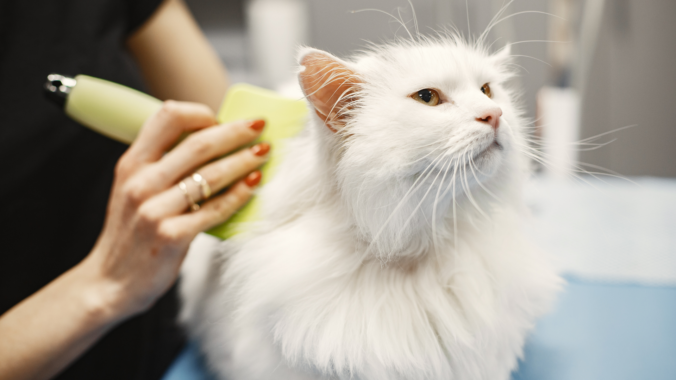
It’s important to note that some long-haired breeds may require additional grooming. Regular brushing mitigates matting and reduces shedding, which can benefit both the cat and the household. Cat owners should observe their pet’s grooming habits; any significant changes may indicate health issues, such as dental problems or skin conditions.

Paw and Claw Care

Paw and claw care is equally important in a cat’s daily hygiene. Cats routinely groom their paws, which helps them stay clean and prevents irritations. They may lick their paws after using the litter tray, ensuring their feet remain free from any waste.

Claw maintenance is crucial for indoor cats, as their claws can become overgrown. Providing scratching posts allows them to naturally wear down their claws. Regular assessments of claw length and health can help prevent issues, such as ingrown nails. If necessary, trimming claws can be a simple task that enhances a cat’s overall hygiene routine.

Afternoon Activities

Cats spend their afternoons engaged in a variety of stimulating activities. This time is often marked by playful hunting behaviour, social interactions with humans, and the quest for the ideal napping spot.

Hunting and Pouncing Practice

In the afternoon, a cat’s natural instincts for hunting often take centre stage. She may engage in pouncing on toys or any small, moving objects that catch her eye.

Common play items include

  • Feather wands
  • Laser pointers
  • Ball toys

These activities not only mimic hunting behaviours but also provide essential mental and physical stimulation. Cats benefit from this practice as it helps hone their reflexes and improve coordination.

Socialising with Human Companions

Afternoons provide ample opportunities for companionship. She may seek out her human for a few moments of affection, often curling up next to them or following them around the house.

Interactions can include

  • Gentle headbutts
  • Purring softly
  • Playful nudges

These behaviours reinforce the bond between cats and humans, providing social enrichment for both parties. Engaging in playtime or simply basking in the sun together enhances the afternoon experience and caters to her social needs.

Finding the Perfect Spot to Nap

As the afternoon light filters through the windows, cats embark on a quest for the ideal napping location. She may favour warm, sunny spots or places that offer a sense of security, such as under a bed or on a plush cushion.

Factors influencing her choice can include

  • Temperature
  • Comfort
  • Quietness

This search is crucial for her well-being, as naps support a cat’s overall health and rejuvenation. The right environment helps her recharge before more active evening pursuits.

Evening Behaviour and Night-Time Excursions

As the sun sets, a cat’s instincts shift from relaxation to heightened alertness. The twilight hours mark a change in behaviour characterised by vigilance and exploration.

Twilight Vigilance

During the early evening, a cat often takes a position near a window or elevated perch. This vantage point allows her to observe her surroundings while maintaining a level of security.

Key behaviours include:

  • Watching wildlife: Cats are naturally drawn to movements outside, from birds to rustling leaves.
  • Listening intently: Their acute hearing helps them detect sounds that humans might overlook.

This phase is critical for a cat to gauge potential threats or prey. The combination of keen eyesight in low light and heightened senses prepares her for the night ahead.

Nocturnal Exploration and Territory Patrol

As darkness envelops, a cat’s adventurous spirit comes to life. She often embarks on excursions around her territory, an instinct inherited from her ancestors.

Typical behaviours involve:

  • Marking territory: Cats may rub against objects or scratch to leave their scent, asserting dominance.
  • Prowling quietly: With stealthy movements, she explores nooks and crannies that may house small creatures.

These night-time activities are essential for physical stimulation and mental engagement. Cats are wired to explore, thus satisfying their natural curiosity and instinct to hunt, even if domesticated. The night becomes an avenue for both adventure and exercise, reinforcing their predatory nature.


A Day at the Dog Park: Enjoying Quality Time with Your Canine Companion

A day at the dog park is a delightful opportunity for dogs and their owners to socialise and enjoy the great outdoors. The experience offers a structured environment where dogs can play freely, interact with other dogs, and expend energy, all while their owners can connect with fellow dog lovers. These parks are designed to provide a safe space where dogs can romp, fetch, and explore their surroundings.

Visiting a dog park can also promote physical activity and mental stimulation for dogs, essential for their overall well-being. It allows them to engage in natural behaviours and learn essential social skills, such as how to interact with various breeds in a controlled setting. For owners, the park serves as a community hub, fostering friendships and support among fellow pet enthusiasts.

The charm of the dog park lies in its vibrant atmosphere, filled with joyful barks and wagging tails. Whether a frequent visitor or considering a first visit, a day at the dog park promises memorable experiences and valuable lessons for both dogs and their humans.

Preparation for the Dog Park Visit

Preparing for a trip to the dog park involves careful consideration of a few key elements: ensuring proper registration, emphasising training and socialisation, and gathering essential supplies. This groundwork will make the visit enjoyable for both the dog and the owner.

Booking and Registration

Many dog parks require prior booking or registration. Owners should check if their local park has an online system for reserving time slots. This is especially important for popular parks, particularly during weekends or holidays.

If the park is restricted to members, completing membership forms in advance can prevent delays. Some parks also impose health requirements, so compliance ensures a safe environment.

Training and Socialisation

Training is crucial for a successful park visit. Basic commands like “sit,” “stay,” and “recall” help manage a dog’s behaviour around other pets. Regular training sessions ensure dogs can interact appropriately, minimising the risk of altercations.

Socialisation is equally important. Gradually introducing the dog to different environments, people, and other dogs prepares it to handle the excitement at the park. Puppy classes or playdates before the visit can enhance confidence and reduce anxiety.

What to Bring

Packing the right supplies is essential for a successful day. Key items include:

  • Poo bags: Always bring enough to clean up after the dog. This helps maintain a clean environment for everyone.
  • Water and bowl: Dogs can quickly become dehydrated, especially after active play. Offering water regularly keeps them hydrated.
  • Treats: Bringing some treats encourages positive behaviour and reinforces training commands.
  • Leash and harness: Having a leash handy for entering or exiting the park maintains control during transitions between areas.
  • Toys: While not necessary, familiar toys can provide comfort and enhance play.

Preparation sets the stage for a pleasant outing, ensuring both the owner and dog enjoy their time at the park.

Features of the Dog Park

Dog parks offer various traits that cater to both canine and human visitors. Understanding the design and safety measures can enhance the park experience for everyone involved.

Play Area Characteristics

Dog parks typically feature designated play areas with different sections tailored for various sizes and temperaments of dogs. These areas often include:

  • Enclosures: Fenced spaces to ensure dogs can play safely without wandering off.
  • Surface Materials: Grass, sand, or rubber mats designed to minimise injury during play.
  • Toys and Equipment: Agility equipment, balls, and other toys help stimulate mental and physical activity.

Some parks also provide shaded areas to protect dogs from excessive heat, while benches for humans allow for comfortable supervision. Ensuring the play area is well-maintained is crucial for safety and enjoyment.

Safety and Supervision

Safety features in dog parks are essential for a positive experience. Regular maintenance and cleanliness help prevent the spread of diseases. Amenities such as:

  • Double Gates: To ensure secure entry and exit.
  • Waste Stations: Supply bags for owners to clean up after their pets, promoting hygiene.

Supervision is vital, especially in mixed-sized dog environments. Owners should always observe their dogs to prevent potential conflicts. Some parks may employ staff or volunteers to monitor activities and assist with any issues, creating a friendly atmosphere for all visitors.

Dog owners should also prioritize their own safety while visiting public parks or shared pet spaces. Unfortunately, situations can arise where an unleashed or poorly controlled dog becomes aggressive toward people or other animals.

Dogs may bite or attack for several reasons, including fear, territorial behavior, stress, lack of training, past trauma, or overstimulation in crowded environments. This is why leash rules, proper socialization, and responsible pet ownership are so important in public areas.

If an unfortunate incident does occur and someone is injured by a dog attack, it is completely reasonable to seek medical attention and understand their legal options. In some cases, individuals may choose to contact a Chattanooga personal injury attorney (or a legal professional in their area) to discuss liability, medical expenses, or other damages related to the incident.

Benefits of a Day at the Dog Park

A visit to the dog park can significantly enhance a dog’s well-being. The benefits include physical exercise and mental stimulation, both of which are essential for a happy, healthy dog.

Physical and Mental Enrichment

Dog parks provide ample space for dogs to run freely, which is crucial for maintaining physical health. Regular exercise helps prevent obesity and related health issues. Active play, like fetching or chasing, strengthens muscles and improves overall fitness.

Older pets often slow down during these active sessions. While exercise is good, some dogs have trouble with movement because of joint pain. A common cause for this stiffness in senior pets is canine osteoarthritis. This condition makes it hard for dogs to run or jump like they used to. Proper care for this discomfort helps them stay active and happy during park visits. Owners can talk to their vet about new treatments that target joint inflammation directly.

Mental stimulation is equally important. The social interactions with other dogs and people challenge a dog’s mind. New scents, sights, and sounds stimulate their senses, promoting cognitive development. Engaging with other dogs can also improve social skills and reduce anxiety in unfamiliar situations.

In summary, a day at the dog park fosters both physical fitness and mental clarity, ensuring dogs lead well-rounded lives.

Additional Services and Facilities

Many dog parks offer additional services and facilities to enhance the experience for both dogs and their owners. Options such as dog daycare and grooming services can significantly contribute to the overall enjoyment and care of pets.

Dog Daycare Options

Dog daycare provides a safe and engaging environment for pets when their owners are unavailable. Many parks feature onsite daycare facilities that cater to dogs of various sizes and energy levels.

Services typically include:

  • Supervised Playtime: Dogs can socialise and play under professional supervision, ensuring safety.
  • Structured Activities: Activities such as agility courses or fetch games maintain a stimulating atmosphere.
  • Flexible Hours: Daycare services usually offer flexible hours to accommodate various schedules.

This service allows dogs to interact with other pets, promoting socialisation and reducing separation anxiety for both the dogs and their owners.

Grooming Services

Grooming services at dog parks are essential for maintaining a pet’s hygiene and appearance. These facilities often provide a range of grooming options tailored to different breeds and requirements.

Common grooming services available include:

  • Bathing: Regular baths help to keep dogs clean and free from dirt.
  • Brushing: This service reduces shedding and matting, especially for long-haired breeds.
  • Nail Clipping and Ear Cleaning: Essential grooming tasks that promote health and comfort.

Many parks offer professional groomers with expertise in various breeds, ensuring that each pet receives the care it needs. Additionally, onsite grooming services allow for convenience, enabling owners to take care of multiple needs in one visit.


Cat-Inspired Decor Ideas to Transform Your Home with Feline Flair

Cat lovers often seek to incorporate their passion into their living spaces. This guide offers creative and stylish cat-inspired décor ideas that cater to both aesthetic appeal and feline comfort. From playful cushions to elegant wall art, there are numerous ways to celebrate the charm of cats within the home.

The right décor can enhance a home’s character while showcasing love for these beloved pets. Cat-themed accessories, such as decorative figurines or patterned textiles, can easily blend with any existing style, adding a unique touch without overwhelming the space.

For those looking to create a welcoming atmosphere that reflects their fondness for cats, these ideas serve as inspiration. Embracing cat-inspired décor can transform a standard living area into a delightful tribute to feline companions.

Fundamentals of Cat-Inspired Decor

The cat-inspired decor combines playful elements with functional design. It allows individuals to express their love for felines while enhancing their living spaces with unique themes and motifs. The following points explore thematic decor and how to incorporate cat motifs effectively.

Understanding Thematic Decor

Thematic decor focuses on creating a cohesive aesthetic that reflects a particular concept. Cat-themed decor can include colour palettes, patterns, and accessories inspired by feline features.

Key Elements to Consider:

  • Colour Scheme: Use soft pastels or bold colours that evoke a sense of playfulness.
  • Textures: Incorporate materials that mimic a cat’s fur, such as soft throws or plush cushions.
  • Accessories: Select items such as cat figurines, paintings, or wall art that contribute to the theme.

Integrating these elements maintains a consistent outlook while showcasing personal style.

Incorporating Cat Motifs in Home Design

Integrating cat motifs requires a thoughtful approach to ensure they enhance the overall decor. These motifs can appear in various forms, from artwork to textiles.

Ways to Incorporate Cat Motifs:

  • Wall Art: Choose cat prints or posters that resonate with the home’s theme.
  • Textiles: Opt for cushions, rugs, or curtains featuring cat patterns.
  • Furniture: Select cat-shaped furniture pieces or use cat-themed upholstery to create interest.

By carefully choosing motifs that align with the existing decor, one can create an inviting and whimsical atmosphere. Cat-inspired decor ultimately enriches the home environment while celebrating feline love.

Essential Items for Cat Owners

Creating a harmonious space for cats involves selecting practical furniture alongside decorative elements. Functional pieces ensure a comfortable environment for pets, while decorative accents can enhance the aesthetic of a home.

Functional Cat Furniture

Functional cat furniture includes essentials that cater to a cat’s behaviour and needs. Cat trees are popular, offering vertical space for climbing and lounging. They should feature multiple levels and perches to allow for exploration and play.

Scratching posts are vital for maintaining a cat’s claws and preventing damage to furniture. Look for sturdy options made from sisal or wood.

Cat beds provide a secure resting place. They should be comfortable and placed in quiet areas.

Cat toys also contribute to their physical and mental stimulation. Choose a variety that encourages exercise and cognitive engagement, such as wand toys and balls.

Decorative Cat Accents

Decorative cat accents can complement a space while showcasing a love for felines. Cat-themed decorations range from wall art to quirky figurines that reflect a cat owner’s personality.

Incorporating unique items such as cat-patterned cushions or throw blankets adds warmth and character to a room.

Using shelves designed as cat hammocks not only serves as a resting spot but also acts as a striking design feature.

Choosing colour palettes that match existing decor while integrating these accents can create a cohesive look. Decorative elements should blend seamlessly into the home while celebrating the joy of cat ownership.

Creating a Cat-Friendly Environment

A cat-friendly environment enhances the well-being of felines while maintaining an appealing home aesthetic. This involves creating designated play areas and ensuring comfort through thoughtfully balanced decor.

Integrating Play Areas

Integrating play areas is essential for a cat’s physical and mental stimulation. A dedicated cat playground can include cat trees, scratching posts, and interactive toys. These elements encourage natural behaviour, allowing the cat to climb, scratch, and explore.

Using different materials such as sisal and carpet can cater to their preferences. Positioning these structures near windows provides opportunities for visual stimulation from the outside world.

Consider incorporating catnip plants in a secure spot, as they can attract and engage the cat, adding a sensory aspect to the space. Ensuring safety is crucial; avoid sharp objects or toxic plants nearby to create an inviting and secure area.

Balancing Aesthetics and Cat Comfort

Balancing aesthetics with cat comfort can elevate home decor without sacrificing functionality. Choose furniture that serves dual purposes, such as stylish storage that also accommodates pet toys.

Using neutral colours and patterns can help blend pet items seamlessly into the overall decor. Opt for washable materials and easy-to-clean surfaces to maintain a tidy look.

Incorporate soft, comfortable spots for cats to rest, such as plush cushions or hidden nooks. These spaces can be designed to harmonise with the decor while providing a purr-fiction for cats to relax.

This careful consideration ensures that a home remains functional and attractive while catering to feline needs.


The Best Toys for Keeping Your Cat Entertained at Home: A Comprehensive Guide

Finding the right toys to keep a cat entertained is essential for both their physical and mental well-being, especially for indoor cats. The best toys for ensuring a happy and engaged feline companion include interactive toys, puzzle feeders, and simple play items like feather wands and balls. These options not only provide stimulation but also encourage exercise, which is vital for a cat’s health.

Cats are natural hunters, and their instincts need to be nurtured even when they are confined indoors. Engaging them with toys that mimic prey or challenge them cognitively helps prevent boredom, which can lead to destructive behaviours. Investing in the right toys can transform an indoor environment into an exciting playground for a cat.

Pet owners should consider a variety of options to cater to their cat’s preferences and energy levels. Whether it’s a toy that encourages solo play or one that fosters interaction with their owner, the right selection will keep a cat entertained for hours.

Essential Toys for Cat Enrichment

Engaging toys are crucial for a cat’s mental and physical well-being. The right selection can stimulate their instincts and keep them active, reducing boredom and promoting a healthier lifestyle.

Interactive Toys for Mental Stimulation

Interactive toys encourage cats to think and engage in problem-solving. Puzzle feeders, for instance, require cats to figure out how to access treats hidden inside. This type of toy makes feeding time more challenging and entertaining.

Toys that require manipulation, such as battery-operated ones that move unpredictably, can hold a cat’s attention for extended periods. Brands like PetSafe and Trixie offer a variety of options catering to different skill levels.

It’s important to rotate toys regularly to maintain interest. Cats thrive on novelty; changing up their toys can renew excitement and stimulate their minds.

Toys That Satisfy Hunting Instincts

Toys mimicking prey can satisfy a cat’s natural hunting instincts. Feather wands and interactive fishing pole-style toys allow owners to simulate movement that triggers a cat’s chase response.

Soft, plush mice or crinkly balls that make noise when batted enrich playtime and encourage pouncing. Cats often enjoy stalking and hiding before the ambush, showcasing their natural behaviours in a safe environment.

Rotating these toys can ensure sustained interest. Keeping a variety on hand allows for engaging play sessions that let cats express their hunting behaviours.

Best Catnip Toys for Engagement

Catnip-infused toys can greatly enhance a cat’s play experience. Many cats are attracted to catnip, experiencing heightened interest and excitement. These toys allow cats to engage in more vigorous play and can lead to vigorous exercise.

Options range from plush toys filled with catnip to kickers that encourage wrestling. They provide an excellent opportunity for owners to bond with their cats during interactive playtime.

Not all cats respond to catnip, as sensitivity varies; a small percentage remain indifferent to its effects. Nonetheless, for those who do, catnip can lead to joyful and playful engagement.

Safe Laser Pointers for Chasing and Pouncing

Laser pointers offer an exciting way for cats to chase and pounce. They project a small dot that moves erratically, triggering a cat’s instinct to hunt. This can provide substantial exercise, particularly for indoor cats that may lack physical activity.

While laser pointers are safe when used properly, it’s important to avoid shining them directly in a cat’s eyes. Always conclude play sessions with a tangible toy to allow cats a sense of accomplishment.

Regularly incorporating laser play can help keep a cat agile and mentally stimulated. Varying the patterns and speed of movement can enhance engagement, making playtime even more enjoyable.

Promoting Physical Activity and Healthy Habits

Engaging a cat in physical activity at home is essential for maintaining their health and well-being. The right toys and structures can stimulate exercise, encourage instinctive behaviours, and reduce the risk of obesity.

Encouraging Climbing with Cat Trees and Shelves

Cat trees and shelves provide vertical spaces where cats can climb and explore. These structures not only satisfy a cat’s natural climbing instinct but also offer a dedicated area for exercise.

When choosing a cat tree, ensure it is tall enough for the cat to stretch and jump. Models with multiple levels encourage more movement. Cat shelves attached to walls can create an appealing vertical playground, allowing cats to observe their environment from different heights. Consider incorporating various textures and materials so cats can engage their claws while climbing.

Scratching Posts for Exercise and Wellness

Scratching posts are vital for a cat’s physical and mental health. They help satisfy a cat’s instinctive need to scratch, which can also promote muscle tone and flexibility through stretching.

Select a scratching post that is tall and sturdy, enabling cats to stretch their entire bodies while scratching. Encourage regular use by placing the post near areas where the cat spends time.

Offering different types of scratching surfaces, such as sisal or cardboard, can cater to individual preferences, ensuring the cat remains engaged and active.

Reducing Overeating with Puzzle Feeders

Puzzle feeders are an effective way to stimulate a cat’s mind while promoting healthy eating habits. These feeders require cats to work for their food, mimicking hunting behaviours and providing mental stimulation.

By slowing down their eating, puzzle feeders can help prevent overeating and associated health issues. Cats will need to engage physically to access their food, leading to increased activity levels throughout the day.

Consider various designs, from simple to complex, to keep feeding time interesting and challenging. This approach encourages exercise while ensuring cats receive the nutrition they need.

DIY and Budget-Friendly Cat Entertainment

Creating engaging activities for indoor cats doesn’t have to be costly. Simple, creative solutions using everyday materials can provide hours of fun. Below are two effective methods to keep cats entertained while sticking to a budget.

Creative Uses of Cardboard Boxes

Cardboard boxes are versatile and often a cat’s favourite plaything. They can serve multiple purposes, from cosy hiding spots to play structures.

  • Hide and Seek: Cut openings on various sides of the box for a thrilling game of hide and seek. Cats love to dart in and out.
  • Cubbies and Tunnels: Stack boxes or connect them with tunnels, allowing cats to explore and hide.
  • Scratching Surfaces: Encourage scratching by integrating cardboard pieces attached to the box. This satisfies their instincts and protects furniture.

Consider decorating boxes with non-toxic paint or safely attaching toys for added interest.

Homemade Toys for Indoor Cats

Making toys at home is both fun and fulfilling. Many materials around the house can easily transform into engaging play items.

  • Sock Ball: Fill an old sock with crumpled paper or catnip, tie it off, and it’s ready for batting around.
  • Feather Wand: Attach feathers or string to a stick. This mimics prey movement, encouraging active play.
  • Tissue Paper Crumples: Crumpled tissue paper balls create noise and movement, drawing a cat’s attention instantly.

These homemade toys keep cats physically active and mentally stimulated, enhancing their overall well-being.


Cat-Proofing Your Home: Essential Tips for a Safe and Comfortable Environment

Bringing a cat into a home can be a joyful experience, but it also requires preparation to ensure a safe environment. To effectively cat-proof a home, it is essential to identify and eliminate potential hazards, secure valuable items, and create a safe space for feline exploration. Cats are curious creatures and can easily get into trouble if their surroundings are not properly managed.

The process of cat-proofing involves assessing various aspects of the home, including furniture, plants, and electrical cords. Taking simple steps, such as using cord clips and removing toxic plants, can significantly reduce risks. Additionally, providing engaging toys and climbing structures helps redirect a cat’s curiosity away from household dangers.

Ultimately, establishing a cat-friendly space not only protects the animal but also prevents damage to belongings. By thoughtfully considering the needs and behaviours of cats, owners can create a harmonious living environment that benefits both humans and pets alike.

Understanding Cat-Proofing Basics

Cat-proofing a home is essential for ensuring the safety and well-being of a feline companion. Identifying potential hazards and selecting safe toys and accessories are key elements in this process.

Identifying Common Household Hazards

Hazards can be found throughout a home. It is important to identify and eliminate risks to prevent accidents.

  • Poisonous and Toxic Plants: Common plants like lilies, oleander, and philodendrons can be harmful to cats. Make sure to research any houseplant before bringing it home.
  • Small Objects: Items such as buttons, coins, or rubber bands can pose choking hazards. Regularly clean floors and surfaces to reduce these risks.
  • Electrical Cords: Cats may chew on cords, which can lead to severe injuries. Use cord protectors or tuck away cables to mitigate this danger.
  • Chemicals and Cleaning Supplies: Store all toxic substances out of reach or in secured cabinets to prevent ingestion.

Beyond these common household risks, pet owners should also pay attention to hidden structural or maintenance-related issues that may affect a cat’s safety and overall living environment. For example, drainage problems around the home can create damp areas, unpleasant odors, leaks, or contaminated water that curious cats may investigate.

Therefore, if one notices signs of blocked or damaged pipes, promptly contacting professionals who specialize in drain services can help prevent the issue from becoming more severe. Additionally, while preparing to call an expert, homeowners may benefit from researching topics such as collapsed drain repair cost and related drainage concerns to better understand potential repair needs, expected expenses, and possible solutions before the inspection begins.

Choosing Safe Cat Toys and Accessories

Selecting appropriate toys and accessories is integral to cat-proofing. Safe options can keep a cat entertained and away from potential dangers.

  • Toys: Choose cat toys without small parts that can be swallowed. Soft plush toys or safe, durable materials are recommended.
  • Scratching Posts: Provide scratching posts made from natural materials. This can help prevent cats from scratching furniture and reduce the risk of injury.
  • Interactive Toys: Puzzle toys that challenge a cat mentally are ideal. They can prevent boredom and keep cats engaged in safe activities.
  • Avoid DIY Toys: Homemade toys can contain hazardous materials. Always opt for store-bought items that meet safety standards.

Taking the time to select safe toys and features can create a secure environment for any cat.

Securing the Home Interior

A well-secured home interior provides a safe environment for both pets and residents. By addressing specific hazards and implementing preventive measures, it is possible to minimise risks associated with curious cats.

Furniture and Appliance Safety Measures

Secure furniture to prevent tipping. A cat may choose to climb or jump, potentially causing unstable items to fall. Use anti-tip straps or brackets on tall bookshelves and cabinets to anchor them to the wall. This is particularly important in areas where a cat might leap or play.

It can also help to reduce the amount of freestanding furniture in high activity areas completely. Fewer unstable pieces mean fewer tripping risks. Items that are not regularly used, like spare shelving units, decorative cabinets, or bulky storage furniture, can be moved out temporarily or permanently to simplify the space. Working with a nearby reliable storage company to clear out non-essential furniture can be an option while they settle their cat into the home, freeing up space and reducing hazards at the same time.

In the kitchen, ensure appliances are safe as well. Keep the oven, dishwasher, and other appliances shut when not in use. It is advisable to install magnetic child locks on cabinets that store cleaning supplies, as well as on items that may pose a risk if accessed by a cat.

Managing Dangling Hazards

Dangling cords present a significant temptation for cats that love to play. Blind cords and electrical cords can be especially hazardous. Use cord protectors to neatly enclose cords and prevent chewing. Secure them along walls or behind furniture where they are less accessible.

In addition, consider using cord clips to keep cords off the floor and out of reach. This not only prevents chewing but also keeps the home looking tidy. Avoid leaving phone chargers and other small cables loosely lying around, as these are prime targets for curious pets.

Storage and Bins

Proper storage reduces the chance of cats accessing items that could be harmful. Use sealed bins for items such as plastic bags and cleaning supplies. Storing these in cupboards with secure locks contributes to a safer environment.

Choose bins with secure lids for items like cat toys and food. Ensure bins are not easily tipped over. This will not only keep clutter at bay but will also prevent cats from rummaging through potentially unsafe materials.

Creating a Cat-Friendly Living Space

Designing a living space that accommodates a cat involves specific considerations. Key areas include feeding and hygiene, lounging and climbing spaces, and the protection of delicate items.

Allocating Feeding and Hygiene Areas

Setting up dedicated zones for feeding and hygiene is essential. A quiet spot away from high-traffic areas is ideal for placing a food and water bowl. Ensure the bowls are stable and easy to clean.

The litter box should also be positioned in a private location. Regular cleaning is vital to prevent odours and to encourage use. It is advisable to use an unscented, clumping litter to keep the area tidy and comfortable for the cat.

Organising Lounge and Climbing Spots

A cat requires well-structured lounging and climbing options. Cat trees promote exercise and provide essential vertical space for climbing and perching. These should be placed near windows for an interesting view.

Scratching posts are equally important; they help in maintaining claw health. Position them in areas where the cat frequently spends time to encourage use. Providing a soft cat bed in a secure corner can offer comfort and a resting place.

Protecting Delicate Items and Surfaces

To safeguard fragile objects, it is crucial to evaluate the arrangement of items in the living space. Hide fragile objects on high shelves or in closed cabinets. Use display cases for items that must remain visible yet protected from curious paws.

Removable slipcovers can be useful for protecting furniture surfaces from scratches and fur. Opt for materials that are durable and easy to clean. This approach ensures a harmonious balance between accommodating the cat and maintaining a neat home environment.

Preventing Outdoor and Exit Hazards

Securing a home from external risks is crucial in ensuring a cat’s safety. Key measures include properly guarding windows and doors, as well as implementing strategies to deter unwanted behaviours.

Window and Door Guarding

To prevent a cat from escaping through windows or doors, consider installing sturdy screens. Pet-proof screens are available, designed to withstand scratching while being secure.

Secure locks on window and door systems ensure that they cannot be easily opened from the inside. It is advisable to check doors for gaps where a cat might slip through.

Using window restrictors allows windows to be opened only a few inches, providing ventilation without risking an escape. This method is particularly beneficial in homes where windows are frequently left ajar.

Deterring Unwanted Behaviour

Unwanted behaviours, such as attempting to escape, can be managed with various deterrents. Essential oils like citrus or lavender can be used strategically, as many cats dislike their scent. Place cotton balls soaked in these oils near entry points to discourage approaches.

Additionally, mothballs can be an effective repellent, although care should be taken as some cats might be sensitive to them. It is vital to use these products judiciously and ensure they don’t pose health risks to pets or humans.

Providing enriching indoor environments can also reduce the desire to explore outside. Toys, climbing trees, and interactive playtime will keep a cat occupied and safer at home.


Finding the Right Litter: A Guide to Choosing the Best Options for Your Cat

Selecting the right cat litter can significantly enhance both a cat’s comfort and a person’s home environment. The best litter will absorb odours effectively, clump for easy cleaning, and be safe for pets and humans alike. With numerous options available, from clumping clay to natural alternatives, it’s essential to consider the needs of the cat and the preferences of the owner.

Different cats have distinct habits and sensitivities, making the choice of litter a personal one. Opinions on texture, scent, and dust levels vary greatly, which can impact a cat’s willingness to use the litter box. Understanding common materials and their characteristics can help in making an informed decision that suits both the pet and its owner.

Exploring the right litter can also create a more harmonious living space, where the cat feels secure and the owner enjoys a clean home. By taking the time to evaluate various types, a suitable match can be found that meets all necessary criteria, ensuring satisfaction for everyone involved.

Understanding Cat Litter Basics

Selecting the appropriate cat litter is crucial for both feline comfort and cleanliness. This section explores various types of litter and the difference between clumping and non-clumping options to aid in making an informed choice.

Types of Litter

There are several types of cat litter available, each with unique characteristics. Clay litter, often made from sodium bentonite, absorbs moisture effectively and controls odours. It is the most common type and is generally within a reasonable price range.

Silica gel is another option, made from tiny crystals that absorb moisture and trap odours. It tends to last longer than clay litter and requires less frequent changing, making it a convenient choice.

Pine pellets are a natural alternative, made from compressed sawdust. They offer good absorption and have a pleasant scent but may require more frequent changing than clay options.

Crystal litter, primarily made from synthetic materials, absorbs moisture and reduces odour. Its lightweight nature makes it easy to handle but can be more expensive than traditional clay litter.

Clumping vs Non-Clumping Litter

Clumping litter forms solid clumps when it comes into contact with moisture, making it easier to scoop out waste. This type is popular among cat owners, as it simplifies the cleaning process. Clumping litter usually comes in clay or crystal forms, providing flexibility in selection.

In contrast, non-clumping litter absorbs liquid but does not form solid masses. It generally requires more frequent complete changes as waste can spread throughout the litter box. Though often made from natural materials like corn or paper, non-clumping options can be less effective at odour control compared to clumping varieties.

Choosing between these types largely depends on personal preference, cat behaviour, and budget considerations. Each option has its merits, and finding the right fit can enhance both owner satisfaction and feline comfort.

Key Considerations for Litter Selection

Choosing the right litter involves evaluating several important factors. Specifically, it’s essential to consider odour control, the impact of litter on tracking and dust, and various health and safety aspects.

Odour Control Measures

Effective odour control is vital for maintaining a pleasant environment. Cat litter should be capable of absorbing moisture and neutralising smells.

Many litters are engineered with special formulas or additives that specifically target odours. For instance, clumping litter made from bentonite clay can encapsulate waste, preventing odour from spreading.

Additionally, some litters use natural ingredients like baking soda or activated charcoal, which can enhance odour absorption. Owners should also consider the frequency of changing the litter, as older litter can quickly lose its effectiveness and lead to unpleasant smells.

Managing Tracking and Dust

Trackability and dust generation are critical aspects of litter selection. Some litters tend to stick to paws, leading to scattered litter around the home.

Low-dust litter are preferable as it minimises mess and reduces respiratory problems. Brands designed to be dust-free often use materials that create less particulate matter.

When evaluating litter types, consider the size of the granules. Larger granules may track less than finer ones, making them easier to manage. Using a high-sided litter box can also help contain tracking.

Health and Safety Factors

Health impacts should never be overlooked. Litter that produces excessive dust can contribute to respiratory issues, particularly for those with allergies or asthma. Choosing a litter marketed as “low-dust” can significantly reduce these risks.

Furthermore, consider the materials used in the litter. Natural litters, often made from reclaimed wood, paper, or corn, are generally safer for both pets and humans.

It’s important to avoid litter with harsh chemicals, as these can pose additional health risks. Always review product labels for any potential allergens or toxic substances that could affect pets’ health.

Practical Tips and Best Practices

Finding the right cat litter involves practical strategies and maintenance routines to ensure optimal performance and cleanliness. Implementing the right methods can enhance the litter experience for both the cat and the owner.

The Trial and Error Method

Choosing the best cat litter often requires the trial and error method. Different cats have varied preferences, so testing a few types may be necessary.

Consider the following types:

  • Clumping Clay: Easy to scoop and offers good moisture absorption.
  • Biodegradable: Made from natural materials, these can be a sustainable option.
  • Crystal Litter: Low dust and good odour control but can be less absorbent.

Owners should pay attention to their cat’s behaviour during trials. If the cat hesitates to use the litter box, it may indicate a dislike for the type chosen. Frequent changes and proper observation can guide owners towards the best option.

Maintenance and Hygiene

Regular maintenance is crucial for litter box hygiene. It’s recommended to scoop the litter at least once a day to remove clumps and waste.

Follow these best practices:

  • Change Litter Weekly: Replace the litter entirely every week for cleanliness.
  • Wash the Box: Clean the litter box with mild soap and water during each full charge.
  • Surface Type: Consider using a box with higher sides to contain litter scatter.

Prioritising moisture absorption helps control odours and keeps the litter dry. A well-maintained litter box encourages consistent use and contributes to the cat’s overall health.

Litter Solutions for Special Situations

Different situations may necessitate specific litter choices to ensure comfort and cleanliness. Tailoring litter options can enhance the litter box experience for both pets and their owners.

Litters for Multi-Cat Households

Multi-cat households present unique challenges, primarily around odour control and clumping ability. Clumping litters are particularly effective in these environments, as they allow for easy removal of waste. Products made from natural materials, such as clay or corn, often provide excellent odour control while being gentle on paws.

Consider litters that are not biodegradable if durability and performance are priorities. These tend to last longer and perform well under heavy use. Owners should also ensure sufficient litter boxes are available, ideally one per cat plus one extra, to reduce territorial disputes and ensure each cat has access to a clean space.

Eco-Friendly and Natural Alternatives

Eco-friendly litters offer sustainable options that cater to environmental concerns. These alternatives often utilise natural materials like recycled paper, wood pellets, or corn. They are typically biodegradable and have a lower environmental impact, making them appealing to conscientious pet owners.

While many eco-friendly options provide decent clumping ability, it’s essential to evaluate their odour control effectiveness. Some natural litters might not match traditional clays in performance but can still be suitable for less active households. When selecting an eco-friendly litter, consider product reviews and specific features to find the right balance between sustainability and functionality.


Grooming Essentials for Your Long-Haired Cat: A Comprehensive Guide to Keeping Their Coat Healthy

Long-haired cats require special attention when it comes to grooming. The right tools and techniques can significantly reduce matting and tangles, ensuring that your feline friend remains comfortable and healthy. Regular grooming not only helps maintain the coat’s condition but also strengthens the bond between the cat and its owner.

Essential grooming items include a high-quality slicker brush, a wide-toothed comb, and grooming scissors. These tools can help manage thick fur and prevent the discomfort associated with matting. Additionally, introducing grooming sessions early can acclimatise the cat to the process, making it easier for both the cat and the owner.

Beyond brushing, other grooming essentials include regular nail trimming and ear cleaning. These practices contribute to the overall well-being of long-haired cats, promoting a happy and healthy life. With the right approach, maintaining a long-haired cat’s appearance becomes an enjoyable routine rather than a chore.

Understanding Your Long-Haired Cat’s Grooming Needs

Long-haired cats require specific grooming routines to maintain their coat health and prevent issues such as matting and tangles. Regular grooming not only keeps their fur looking pristine but also promotes overall well-being.

The Importance of Regular Grooming Sessions

Regular grooming sessions play a crucial role in managing a long-haired cat’s coat. It helps to remove loose hair and reduces the likelihood of hairballs. Hairballs can cause discomfort and gastrointestinal issues if not managed properly.

Aim to groom long-haired cats at least two to three times a week. This frequency helps to minimise matting and tangling, which can cause skin irritation. Cats often appreciate the bonding time that grooming provides, enhancing their comfort and trust in their owner.

Recognising Signs of Matting and Tangles

Matting and tangles can develop quickly in long-haired cats, often going unnoticed until they become problematic. It is essential to inspect the coat regularly for any signs of matting, particularly in areas such as the armpits, behind the ears, and around the tail.

Matting can lead to skin infections and discomfort for the cat. Tangles may also pull on the cat’s skin, causing pain. Owners should look for clumps of hair that feel tight or stiff; these indicate areas that require immediate attention.

Choosing the Right Grooming Tools

Selecting the appropriate grooming tools is vital for effective grooming. Some essential tools include:

  • Slicker Brushes: Ideal for removing loose fur and preventing matting.
  • Metal Combs: Effective for detangling and smoothing the coat.
  • Clippers: Useful for trimming areas where mats have become severe.
  • Mat Splitters: Specifically designed to alleviate stubborn mats without pulling the fur.
  • Grooming Scissors: Perfect for shaping and removing less severe tangles.

Using the right tools can make grooming a more pleasant experience for the cat and the owner. Regularly cleaning and maintaining these tools will also enhance their effectiveness during grooming sessions.

The Essential Grooming Toolkit

Having the right tools for grooming a long-haired cat is crucial for maintaining their coat health and overall well-being. The toolkit should include brushes, trimming tools, and additional aids to manage their specific grooming needs effectively.

Brushes and Combs for Long-Haired Cats

A slicker brush is essential for long-haired cats, as it removes loose hair and undercoat while preventing matting. The fine, bent wires easily glide through thick fur, making it perfect for daily brushing. A metal comb is also important; it helps to detangle any knots and smooth the coat.

Brushing Technique: Start by using the slicker brush, beginning at the back and moving forward in the direction of hair growth. Follow up with the metal comb to catch any remaining tangles. Regular brushing not only keeps the coat healthy but also stimulates the skin’s natural oils.

Trimming Tools: Clippers and Scissors

Clippers and grooming scissors play a vital role in maintaining a long-haired cat’s coat. Cat nail clippers are necessary for keeping claws properly trimmed and preventing injury. It’s recommended to trim nails every 2-4 weeks.

Grooming scissors can be used for trimming any areas that may become matted or tangled. A mat splitter is an effective tool for gently removing mats without damaging the fur. Shear the mats carefully, ensuring to avoid any skin injuries.

Additional Aids: Gloves and Natural Products

Grooming gloves are a fantastic addition to the toolkit. They allow for a gentle grooming experience while allowing the owner to bond with the cat. They also help to collect loose hair effectively.

Incorporating natural grooming products can aid in maintaining coat health. Many cat owners opt for natural shampoos and conditioners designed for sensitive feline skin. Natural oils can also be used to reduce static and improve coat shine, promoting a healthier appearance and preventing irritation.

Establishing a Grooming Routine

A structured grooming routine is essential for maintaining the coat and health of a long-haired cat. This section explores how to create a comfortable grooming environment, develop a consistent grooming schedule, and when to consider professional grooming services.

Creating a Comfortable Grooming Environment

A positive atmosphere enhances the grooming experience for both the cat and the groomer. Select a quiet, well-lit area where the cat feels secure. It can be beneficial to have all grooming tools readily accessible.

Use a soft blanket or grooming mat to provide comfort. Introducing familiar scents or toys can also reduce anxiety. Implementing positive reinforcement during grooming sessions encourages good behaviour, so keep treats nearby to reward the cat for cooperation. This strategy makes the grooming process more enjoyable and helps develop trust.

Developing a Consistent Grooming Schedule

Consistency is key to keeping a long-haired cat’s coat healthy. Regular grooming sessions tailored to the cat’s needs should be established. Daily brushing can be ideal for preventing tangles and mats, especially in dense fur.

For cats less prone to matting, a few times a week may suffice. Establish a set time for grooming to create a routine. Owners should observe their cat’s behaviour to adapt the schedule as needed, gradually increasing the time spent if the cat becomes accustomed to the process.

Professional Grooming: When to Seek Assistance

Sometimes, a professional groomer is the best option for long-haired cats, particularly if owners face challenges with tangles or mats. Professional groomers possess the skills and tools necessary for more complicated grooming needs.

Consider mobile grooming services for convenience, bringing professional care directly to your home. Cat grooming salons can provide specialised options, ensuring that the cat receives proper handling and care. Observe your cat’s coat condition and behaviour; if grooming becomes stressful or yields unsatisfactory results, seeking professional assistance can be beneficial.

Do-It-Yourself Grooming Techniques

Grooming a long-haired cat at home can be a rewarding experience. A consistent routine helps maintain their coat and well-being. This section highlights effective methods for brushing, nail trimming, and bathing.

Mastering the Art of Brushing

Brushing is crucial for long-haired cats to prevent matting and reduce shedding. Using a cat brush specifically designed for their fur type will make the task easier and more effective.

  • Choose the Right Brush: Opt for a wide-toothed comb or a slicker brush to remove tangles and loose hair. A bristle brush can help distribute natural oils in the coat.
  • Technique: Start at the head and work towards the tail, brushing in the direction of hair growth. Be gentle, especially in sensitive areas like the belly and underarms.
  • Frequency: Establish a grooming routine of 2-3 times a week. This not only keeps the coat healthy but also strengthens the bond between the cat and the owner.

Safe Nail Trimming Practices

Routine nail trimming is essential for a long-haired cat’s health. Keeping nails short prevents injury and damage to furniture.

  • Tools Needed: Use cat-specific nail clippers for precision. Opt for either scissors-style or guillotine-style clippers, depending on the owner’s comfort.
  • Technique: Hold the cat’s paw firmly yet gently. Identify the quick, pink area inside the nail, and avoid cutting into it. Trim just the tip of the nail for safety.
  • Frequency: Trim nails every 2-4 weeks, depending on the cat’s activity level. Regular trimming makes the process easier over time, as the cat becomes familiar with the routine.

Bathing Your Cat with Cat-Specific Shampoo

Bathing a long-haired cat can be challenging but is sometimes necessary for hygiene. A proper approach can make the experience smoother.

  • Choose the Right Shampoo: Use a cat-specific shampoo that is gentle and formulated for their skin type. Human shampoos may cause irritation.
  • Preparation: Select a suitable bathing area. Using a non-slip surface helps the cat feel secure. Gather towels, a sponge, and shampoo beforehand.
  • Bathing Process: Wet the cat’s coat using lukewarm water, avoiding the face. Lather the shampoo thoroughly and rinse well, ensuring no residue is left.
  • Drying: After bathing, gently towel dry the cat. Some might tolerate a low-heat blow dryer, but ensure it is at a safe distance to avoid overheating.

Implementing these do-it-yourself grooming techniques will contribute significantly to the health and appearance of long-haired cats.


Holistic Care for Cats: A Comprehensive Approach to Feline Health

Holistic care for cats combines traditional veterinary practices with complementary therapies, focusing on the overall well-being of the feline. This approach not only addresses physical health but also considers emotional and environmental factors, leading to a happier, healthier cat. Cat owners are increasingly recognising the benefits of this comprehensive strategy, which can enhance their pets’ quality of life.

Incorporating holistic methods can include a range of practices, such as proper nutrition, regular exercise, and alternative therapies like acupuncture or aromatherapy. Each aspect works together to foster a balanced lifestyle, reducing stress and promoting longevity in cats. By understanding and applying holistic cat care principles, owners can significantly improve their pets’ health beyond just treating symptoms.

Taking a proactive approach can lead to early identification of health issues, enabling more effective interventions. With an informed perspective on holistic care, cat owners are empowered to make choices that support their pets’ overall wellness. This mindset not only nurtures cats physically but also emotionally and mentally, ensuring a fulfilling life for these cherished companions.

Understanding Holistic Cat Care

Holistic cat care embraces a comprehensive approach to feline health. It incorporates various practices aimed at treating the whole animal, addressing physical, emotional, and environmental factors.

Holistic Medicine Principles

Holistic medicine focuses on the interconnectedness of an animal’s physical, emotional, and social well-being. It considers lifestyle, nutrition, and the environment, in addition to traditional medical methods.

Key principles include:

  • Individualised Care: Each cat is unique, requiring tailored treatment plans.
  • Preventive Measures: Emphasis is placed on preventing illness through proper diet, exercise, and routine check-ups.
  • Natural Therapies: Utilising herbal remedies, acupuncture, and nutritional therapies to support health naturally.

This approach seeks to enhance the cat’s innate ability to heal while maintaining balance in their life.

Comparing Traditional and Holistic Veterinary Medicine

Traditional veterinary medicine often relies heavily on pharmaceuticals and surgery, focusing primarily on treating symptoms. In contrast, holistic veterinary medicine aims to identify and address underlying causes of illness.

  • Methodologies:
    • Traditional treatments often include vaccinations, antibiotics, and surgical interventions.
    • Holistic approaches may use acupuncture, homoeopathy, or dietary changes.
  • Focus:
    • Traditional medicine might concentrate on acute issues.
    • Holistic care seeks to foster long-term health and wellness.

Both approaches can complement each other, but they differ in philosophy and application.

Roles of a Holistic Veterinarian

A holistic veterinarian is trained to employ a range of therapeutic modalities beyond conventional medicine. They assess the pet’s overall health and develop a comprehensive treatment plan.

Responsibilities include:

  • Assessment: Evaluating physical and emotional health as well as lifestyle.
  • Tailored Treatments: Developing individualised therapies that may include Traditional Chinese Medicine, herbal therapies, and dietary adjustments.
  • Education: Instructing pet owners on nutrition, behaviour modification, and environmental enrichment to support their cat’s health.

Holistic vets ensure a nurturing approach, focusing on the complete spectrum of a cat’s well-being.

Nutrition and Supplements in Holistic Cat Care

Nutrition plays a crucial role in the holistic care of cats, focusing on natural diets and appropriate supplementation. A balanced approach can greatly influence feline health and well-being.

Natural Diets for Optimum Health

A natural diet for cats should resemble their ancestral feeding habits. This typically involves a high protein content from quality animal sources. Common options include:

  • Raw Meat: Chicken, turkey, and fish provide essential amino acids.
  • Cooked Meat: Gently cooked options can ensure food safety while retaining nutrients.
  • Whole Prey Diets: These replicate the nutrients found in natural prey, including organs and bones.

It’s essential to avoid fillers such as corn or wheat, as these can lead to digestive issues and obesity. Incorporating fresh vegetables, like carrots and peas, can provide fibre and vitamins. A balanced diet helps maintain a healthy weight and supports overall vitality.

Essential Supplements for Feline Well-being

Certain supplements can enhance a cat’s diet, promoting better health. Some important supplements include:

  • Omega-3 Fatty Acids: Support skin, coat, and joint health. Found in fish oil, they reduce inflammation.
  • Probiotics: Aid in digestion and boost the immune system. Fermented foods can be beneficial.
  • Vitamins and Minerals: Essential for various bodily functions. A multivitamin tailored for cats can help fill nutritional gaps.

Consulting a veterinarian before introducing supplements is crucial. They can recommend the right products based on individual health needs.

Addressing Obesity with Proper Nutrition

Obesity is a significant concern in cats, often leading to serious health issues. Proper nutrition is vital for weight management. Strategies include:

  • Portion Control: Monitor food intake and adhere to recommended serving sizes.
  • High-Quality Protein: Choose premium, protein-rich foods that promote satiety.
  • Reduced Carbohydrates: Limit carbohydrate-rich snacks that could contribute to weight gain.

Incorporating playtime and exercise into daily routines can also support weight loss efforts. Regular vet check-ups can track progress and adjust dietary plans as needed.

Alternative Therapies and Remedies

Alternative therapies and remedies can provide additional options to enhance the well-being of cats. These approaches often complement conventional veterinary care, focusing on natural methods to support health and alleviate issues like inflammation and anxiety.

Homeopathy and Herbal Remedies

Homeopathy uses highly diluted substances to stimulate the body’s healing processes. For cats, remedies like Chamomile may help calm nerves, while Valerian root can ease anxiety. These remedies are tailored to the individual cat’s symptoms.

Herbal remedies provide another avenue. Peppermint can assist with digestive issues, acting as a natural anti-inflammatory. It’s essential to consult with a veterinarian knowledgeable in herbal medicine before introducing any new products, as some herbs can be toxic to cats.

Acupuncture and Other Non-conventional Treatments

Acupuncture involves inserting fine needles to enhance energy flow, promoting healing in various conditions. It may effectively reduce pain and improve mobility in cats suffering from arthritis or other chronic pain.

Other non-conventional treatments may include chiropractic adjustments and massage therapy. These therapies aim to relieve tension and improve overall health. Engaging a qualified practitioner ensures the safety and effectiveness of these methods.

The Benefits of Herbal Supplements

Herbal supplements can support feline health in multiple ways. Ingredients like Turmeric and Milk Thistle are noted for their anti-inflammatory properties and liver support, respectively. Regular use may help manage chronic conditions or improve vitality.

Administering these supplements requires care. It’s crucial to choose high-quality products specifically formulated for cats. Regular consultation with a veterinarian helps in tracking progress and adjusting dosages as needed.

Holistic Care for Common Feline Issues

Holistic care encompasses various methods to address common feline health issues by treating the whole cat. This approach considers physical, emotional, and environmental factors impacting a cat’s well-being.

Managing Chronic Diseases with Holistic Methods

Chronic diseases such as kidney disease, hyperthyroidism, diabetes mellitus, and inflammatory bowel disease require careful management. Holistic care may include dietary adjustments, such as incorporating high-quality proteins and healthy fats while monitoring carbohydrate intake, especially for diabetic cats.

Herbs like dandelion root and milk thistle support liver function and may aid overall health. Additionally, ensuring proper hydration through wet food can help with kidney health.

Regular veterinary check-ups are essential for monitoring these conditions. Integrating complementary therapies, such as acupuncture and herbal treatments, can enhance the cat’s immune system, reducing symptoms and improving quality of life.

As chronic illnesses progress, the focus of care often shifts from treatment to comfort. During these final stages, pet owners frequently seek ways to keep their companions pain-free and calm at home. Mobile veterinary services can provide hospice support to manage pain in a familiar, quiet environment. When medical options no longer help, making the decision about Pet Euthanasia is a difficult but kind choice to end pain. This gentle approach allows cats to spend their last moments surrounded by family in the comfort of their own home.

Holistic Approaches to Behavioural and Psychological Issues

Behavioural issues in cats, such as anxiety and aggression, can stem from stress or environmental factors. Natural remedies, like catnip, can provide calming effects. This herb may help reduce anxiety by promoting relaxation and playfulness in stressful situations.

Environmental enrichment is critical. Providing scratching posts, climbing structures, and interactive toys addresses boredom and anxiety.

Moreover, routine and consistency can significantly impact a cat’s behaviour. It is essential to establish a stable environment while gradually introducing changes. In some cases, floral essences or homoeopathic remedies may also alleviate emotional trauma or stress in cats.

Natural Solutions for Feline Skin and Coat Problems

Skin problems in cats, such as allergies and dermatitis, often result from environmental allergens or dietary sensitivities. Implementing a limited-ingredient diet can help identify and eliminate allergens.

Omega-3 fatty acids from fish oil support skin health and reduce inflammation. Topical treatments with natural ingredients like aloe vera can soothe irritated skin.

Maintaining a healthy microbiome is crucial for skin and coat quality. Probiotics may support digestive health and enhance the immune response. Regular grooming helps remove loose fur and dander while promoting skin circulation, which can lead to a healthier coat.

 

Outdoor Activities for Adventurous Pets: Exciting Ideas for Thrilling Adventures

Many pet owners seek new ways to engage their furry companions in exciting activities outside the home. Outdoor adventures provide not only physical exercise but also mental stimulation, making them essential for a pet’s overall well-being. From hiking trails to beach outings, the options are endless for adventurous pets eager to explore the great outdoors.

Involving pets in outdoor activities encourages bonding experiences that enhance their happiness and health. Activities such as agility training, nature walks, and even swimming can cater to various energy levels and preferences. These adventures not only burn off excess energy but also help combat behavioural issues caused by boredom.

Preparing for outdoor outings can transform a simple walk into an exhilarating adventure. By considering safety, proper gear, and suitable locations, pet owners can create memorable experiences that foster a strong connection with their pets while keeping them physically active and mentally sharp.

Engaging Activities for Dogs

Dogs thrive on physical and mental stimulation. Engaging them in outdoor activities not only strengthens their bond with their owners but also enhances their overall well-being.

Playful Fun with Fetch and Frisbee

Fetch is a classic outdoor game that many dogs enjoy. This activity engages their natural instinct to chase and retrieve. However, be aware that outdoor areas can harbor bees and other wildlife; if a hive is encountered in the compound, consider contacting specialists offering humane bee relocation Phoenix (or elsewhere) to safely remove and relocate bees without harm. Having said that, owners can make the activities more exciting by using different toys, such as balls or frisbees.

Frisbees, in particular, can be thrown long distances, encouraging dogs to run faster and improve their agility. To enhance the experience, owners can play in varied terrains like parks or beaches. It’s important to ensure that the area is safe and free of obstacles. Hydration is crucial, so having water available during play is advisable.

Stimulating Agility Training and Dog Parks

Agility training provides both mental and physical challenges for dogs. It involves navigating through obstacles like tunnels and jumps, promoting coordination and confidence. Many local dog parks have designated agility courses, making them ideal venues.

These parks allow dogs to socialise with other pets, contributing to their social development. Owners should introduce their dogs to agility equipment gradually to ensure comfort and safety. Regular practice not only keeps dogs fit but also strengthens the owner-dog relationship.

Interactive Games like Treasure Hunt and Geocaching

Interactive games such as treasure hunts can stimulate a dog’s keen sense of smell. Owners can hide treats around the garden or park and encourage their dogs to find them. This engages their natural instincts and provides a rewarding challenge.

Geocaching offers a similar experience but involves more exploration. Owners can find hidden caches using GPS coordinates, making it an adventurous outing. These activities allow dogs to explore new environments while engaging in problem-solving skills. Always supervise during these activities to ensure safety.

Exploring the Great Outdoors with Your Pet

Engaging in outdoor activities can greatly enrich the lives of pets while strengthening the bond between owner and animal. Two popular pursuits include camping and hiking, as well as swimming and paddleboarding. Each offers unique experiences that cater to adventurous spirits.

Camping and Hiking with Canine Companions

Camping and hiking are excellent ways to explore nature with pets. Before heading out, it’s essential to plan routes suitable for dogs. Look for dog-friendly trails and campgrounds that welcome pets.

Owners should pack the following essentials:

  • Leash and collar: Keep the pet secured at all times.
  • Food and water: Bring enough supplies for the duration of the trip.
  • First-aid kit: Include pet-specific items for emergencies.
  • Comfort items: Familiar blankets or toys can provide comfort.

During hikes, it’s important to monitor the pet for signs of fatigue or discomfort. After a long day outdoors, pets may enjoy resting by the campfire, treated to some healthy snacks. Camping can create lasting memories for both owner and pet while enjoying the beauty of nature.

Swimming and Paddleboarding Ventures

Water activities such as swimming and paddleboarding provide fun ways for dogs to cool off and exercise. Before introducing a dog to water, ensure they feel comfortable and safe.

To begin, consider these tips:

  • Safety gear: A doggy life vest can enhance safety, especially for inexperienced swimmers.
  • Gradual introduction: Start in shallow areas to let them acclimatise to the water.
  • Toys for encouragement: Floating toys can entice pets to swim and play.

Paddleboarding can be a rewarding experience, allowing dogs to join their owners on the water. Ensure the board is stable and large enough to accommodate both. A leash can help maintain control while enjoying a day on the water together.

Innovative and Relaxing Activities

Engaging pets in novel outdoor activities can enhance their physical and mental well-being. This section explores leisurely picnics designed for pets and the creation of fun obstacle courses, focusing on innovation and relaxation for both pets and their owners.

Relaxing Outdoor Time by the Fireplace

Spending quiet time outdoors with your dog can be just as rewarding as active play. Sitting together near an outdoor fireplace allows dogs to relax while staying close to their owners, creating a calm and comforting atmosphere that supports emotional bonding.

These peaceful settings are especially enjoyable during cooler evenings, when a steady heat source keeps the space comfortable. In such cases, coordinating with a propane distributor can help ensure outdoor fireplaces remain safe and reliable, allowing both pets and owners to enjoy extended relaxation time outdoors.

Leisurely Pet Picnics and Doga

A leisurely picnic provides a perfect opportunity for pets and their owners to bond. Choosing a dog-friendly park with ample space is crucial. Packing essential items such as pet-friendly snacks, water, and a comfortable blanket is recommended.

Include toys and chew items to keep pets entertained. This experience allows for leisurely play and relaxation in a natural setting. While enjoying the picnic, incorporating doga—yoga sessions with dogs—can be beneficial. The practice encourages stretching and bonding, promoting relaxation for both participants.

Building an Obstacle Course for Your Pet

Constructing an obstacle course can be a thrilling and engaging activity for pets. Utilising items like hula hoops, tunnels, and cones creates an exciting environment for running and agility training. This activity stimulates pets mentally while improving their physical fitness.

Courses can be tailored to their skill levels to ensure both safety and enjoyment. Introducing commands and rewards during the course will reinforce positive behaviours. Additionally, pets benefit from the mental challenge and opportunity for social interaction with their owners. This innovative activity merges fun with relaxation, building a stronger bond.


Stylish Accessories for Your Cat: Elevate Their Look with Trendy Collars and Bowties

Cats are not just pets; they are beloved companions that often reflect their owners’ styles. As pet fashion continues to evolve, stylish accessories for cats are becoming essential not just for aesthetics but also for practicality. These accessories can enhance a cat’s appearance while ensuring comfort and safety.

From chic collars to playful toys, each accessory adds a unique flair to a cat’s personality. Many owners are keen to find options that balance fashion with functionality, ensuring their feline friends are well-equipped for both indoor and outdoor adventures. Choosing the right accessories can also improve a cat’s well-being and provide them with mental stimulation.

Exploring the world of cat accessories opens up creative possibilities for owners looking to express their style through their pets. With numerous options available, including designer collars and personalised items, cats can strut their stuff in style. Discovering the perfect accessories transforms everyday life for both cats and their owners.

Essential Cat Accessories

Selecting the right accessories is crucial for your cat’s well-being. Essential items enhance their feeding, comfort, and play, contributing to a happier and healthier feline.

Feeding Essentials

Choosing suitable feeding essentials ensures that a cat enjoys mealtimes. Cat bowls should be sturdy, easy to clean, and appropriately sized. Stainless steel or ceramic bowls are often preferred due to their durability and hygiene.

Regularly replacing or cleaning bowls helps prevent bacteria build-up. Cat food should be high-quality and age-appropriate, tailored to the cat’s specific dietary needs. It’s beneficial to consult a vet on the best nutritional options available.

Automatic feeders can provide portion control and consistency, especially for busy owners. Keeping fresh water accessible at all times is vital for hydration and overall health.

Comfortable Sleeping Solutions

A quality cat bed can significantly enhance a cat’s comfort. Look for beds made from soft materials that provide warmth and support. Raised edges or enclosed designs offer a sense of security, which many cats prefer.

Consider various sleeping styles, as some cats like to curl up, while others enjoy stretching out. Placing the bed in a quiet, warm corner can encourage restful sleep.

Thoughtful cat bed placement also allows the cat to observe its surroundings from a safe spot. Regularly washing the bedding promotes cleanliness and comfort.

Playtime and Stimulation

Engaging your cat with cat toys is essential for its physical and mental stimulation. Toys that mimic prey, such as feather wands or laser pointers, encourage natural hunting instincts.

Interactive toys can keep a cat occupied, preventing boredom. Puzzle feeders present a fun challenge while promoting healthy eating habits by making mealtime more engaging.

Rotating toys regularly keeps playtime fresh, encouraging your cat to remain active. Providing a variety of textures and sounds can further stimulate a cat’s interest and playfulness.

Fashion and Safety for Your Feline

When selecting accessories for a cat, it’s vital to combine style with safety. A well-chosen collar not only enhances a cat’s appearance but also serves essential functions, such as identification and comfort. Luxury tags can further elevate the look while ensuring peace of mind for owners.

Stylish Collar Options

A stylish collar serves as a fashionable accessory while ensuring safety. Many options display a range of materials, colours, and designs. Soft fabrics like nylon or cotton are popular choices, offering comfort without irritation.

Reflective collars increase visibility during evening walks, enhancing safety. Some collars come with quick-release clasps, allowing the cat to free itself if it gets snagged. Customisation options, such as patterns or personalised embroidery, can add a unique flair.

Owners may also opt for luxury cat collars made from premium materials, such as leather, which provide durability. It’s essential to ensure the collar fits properly: too tight can choke, while too loose can slip off.

Luxury Tags and Accessories

Luxury tags and accessories complement stylish collars by adding functionality and aesthetic appeal. Engraved tags can display the cat’s name and owner’s contact information, ensuring easy identification if lost. Options may include decorative shapes or high-quality materials such as stainless steel or brass.

Additional accessories, such as coordinating bows or bandanas, elevate a cat’s style further. These items are available in a variety of fabrics, colours, and patterns to suit the owner’s taste. Some accessories are designed for special occasions or specific themes, allowing for creativity.

Prioritising safety in tags is equally important. Tags should be securely attached to collars and lightweight, minimising discomfort. Fashion can blend seamlessly with practicality, creating a stylish yet safe environment for feline companions.

Premium Comfort for Cats

Creating a luxurious environment for a cat involves selecting the finest resting spots. Comfort not only enhances the pet’s well-being but also elevates the aesthetic of the home.

Luxury Resting Spots

Luxury cat beds provide a perfect combination of style and comfort. These beds often feature soft, plush materials that cater to a cat’s instinct to snuggle.

Danish design plays a significant role in the world of high-end cat accessories. With sleek lines and minimalist aesthetics, these beds fit seamlessly into modern interiors. Products often incorporate high-quality upholstery, ensuring durability and ease of cleaning.

Further, many luxury beds include supportive memory foam, adapting to the cat’s body for optimal snoozing. Elevated designs offer a sense of security while keeping the cat cool by allowing air circulation. These features contribute to a restful environment, making luxury cat beds an attractive investment for discerning pet owners.

Convenient Shopping and Delivery

Shopping for stylish accessories for cats has become more accessible with various online retailers. They offer a wide selection of products, allowing pet owners to find items that suit their cat’s personality and style.

Many websites provide user-friendly interfaces that enhance the shopping experience. Customers can easily navigate categories such as collars, toys, and clothing.

Key benefits of online shopping include:

  • Convenience: Shoppers can browse from the comfort of their homes.
  • Variety: A vast range of unique accessories is available.
  • Price Comparisons: Easily compare prices from different retailers.

For those in the UK, several companies offer reliable delivery options. Key delivery features include:

  • Standard Delivery: Usually takes 3-5 working days.
  • Next-Day Delivery: Available for urgent purchases.
  • Free Delivery Options: Often provided on orders over a certain amount.

When selecting a retailer, it’s essential to check their delivery policies. Some may offer tracking, while others might provide delivery to specific locations like local pick-up points.

Considering return policies is also crucial. This ensures that if an item does not fit or meet expectations, it can be easily returned for an exchange or refund.

Overall, combining a diverse range of stylish options with convenient shopping and delivery enhances the cat accessory buying experience.


« Older posts Newer posts »

© 2026 Hex and Ginger

Theme by Anders NorenUp ↑