DISCOVER THE ADVENTURES OF KATE, HEX, AND GINGER

Category: Kitty Care 101 (Page 2 of 2)

Holistic Care for Cats: A Comprehensive Approach to Feline Health

Holistic care for cats combines traditional veterinary practices with complementary therapies, focusing on the overall well-being of the feline. This approach not only addresses physical health but also considers emotional and environmental factors, leading to a happier, healthier cat. Cat owners are increasingly recognising the benefits of this comprehensive strategy, which can enhance their pets’ quality of life.

Incorporating holistic methods can include a range of practices, such as proper nutrition, regular exercise, and alternative therapies like acupuncture or aromatherapy. Each aspect works together to foster a balanced lifestyle, reducing stress and promoting longevity in cats. By understanding and applying holistic cat care principles, owners can significantly improve their pets’ health beyond just treating symptoms.

Taking a proactive approach can lead to early identification of health issues, enabling more effective interventions. With an informed perspective on holistic care, cat owners are empowered to make choices that support their pets’ overall wellness. This mindset not only nurtures cats physically but also emotionally and mentally, ensuring a fulfilling life for these cherished companions.

Understanding Holistic Cat Care

Holistic cat care embraces a comprehensive approach to feline health. It incorporates various practices aimed at treating the whole animal, addressing physical, emotional, and environmental factors.

Holistic Medicine Principles

Holistic medicine focuses on the interconnectedness of an animal’s physical, emotional, and social well-being. It considers lifestyle, nutrition, and the environment, in addition to traditional medical methods.

Key principles include:

  • Individualised Care: Each cat is unique, requiring tailored treatment plans.
  • Preventive Measures: Emphasis is placed on preventing illness through proper diet, exercise, and routine check-ups.
  • Natural Therapies: Utilising herbal remedies, acupuncture, and nutritional therapies to support health naturally.

This approach seeks to enhance the cat’s innate ability to heal while maintaining balance in their life.

Comparing Traditional and Holistic Veterinary Medicine

Traditional veterinary medicine often relies heavily on pharmaceuticals and surgery, focusing primarily on treating symptoms. In contrast, holistic veterinary medicine aims to identify and address underlying causes of illness.

  • Methodologies:
    • Traditional treatments often include vaccinations, antibiotics, and surgical interventions.
    • Holistic approaches may use acupuncture, homoeopathy, or dietary changes.
  • Focus:
    • Traditional medicine might concentrate on acute issues.
    • Holistic care seeks to foster long-term health and wellness.

Both approaches can complement each other, but they differ in philosophy and application.

Roles of a Holistic Veterinarian

A holistic veterinarian is trained to employ a range of therapeutic modalities beyond conventional medicine. They assess the pet’s overall health and develop a comprehensive treatment plan.

Responsibilities include:

  • Assessment: Evaluating physical and emotional health as well as lifestyle.
  • Tailored Treatments: Developing individualised therapies that may include Traditional Chinese Medicine, herbal therapies, and dietary adjustments.
  • Education: Instructing pet owners on nutrition, behaviour modification, and environmental enrichment to support their cat’s health.

Holistic vets ensure a nurturing approach, focusing on the complete spectrum of a cat’s well-being.

Nutrition and Supplements in Holistic Cat Care

Nutrition plays a crucial role in the holistic care of cats, focusing on natural diets and appropriate supplementation. A balanced approach can greatly influence feline health and well-being.

Natural Diets for Optimum Health

A natural diet for cats should resemble their ancestral feeding habits. This typically involves a high protein content from quality animal sources. Common options include:

  • Raw Meat: Chicken, turkey, and fish provide essential amino acids.
  • Cooked Meat: Gently cooked options can ensure food safety while retaining nutrients.
  • Whole Prey Diets: These replicate the nutrients found in natural prey, including organs and bones.

It’s essential to avoid fillers such as corn or wheat, as these can lead to digestive issues and obesity. Incorporating fresh vegetables, like carrots and peas, can provide fibre and vitamins. A balanced diet helps maintain a healthy weight and supports overall vitality.

Essential Supplements for Feline Well-being

Certain supplements can enhance a cat’s diet, promoting better health. Some important supplements include:

  • Omega-3 Fatty Acids: Support skin, coat, and joint health. Found in fish oil, they reduce inflammation.
  • Probiotics: Aid in digestion and boost the immune system. Fermented foods can be beneficial.
  • Vitamins and Minerals: Essential for various bodily functions. A multivitamin tailored for cats can help fill nutritional gaps.

Consulting a veterinarian before introducing supplements is crucial. They can recommend the right products based on individual health needs.

Addressing Obesity with Proper Nutrition

Obesity is a significant concern in cats, often leading to serious health issues. Proper nutrition is vital for weight management. Strategies include:

  • Portion Control: Monitor food intake and adhere to recommended serving sizes.
  • High-Quality Protein: Choose premium, protein-rich foods that promote satiety.
  • Reduced Carbohydrates: Limit carbohydrate-rich snacks that could contribute to weight gain.

Incorporating playtime and exercise into daily routines can also support weight loss efforts. Regular vet check-ups can track progress and adjust dietary plans as needed.

Alternative Therapies and Remedies

Alternative therapies and remedies can provide additional options to enhance the well-being of cats. These approaches often complement conventional veterinary care, focusing on natural methods to support health and alleviate issues like inflammation and anxiety.

Homeopathy and Herbal Remedies

Homeopathy uses highly diluted substances to stimulate the body’s healing processes. For cats, remedies like Chamomile may help calm nerves, while Valerian root can ease anxiety. These remedies are tailored to the individual cat’s symptoms.

Herbal remedies provide another avenue. Peppermint can assist with digestive issues, acting as a natural anti-inflammatory. It’s essential to consult with a veterinarian knowledgeable in herbal medicine before introducing any new products, as some herbs can be toxic to cats.

Acupuncture and Other Non-conventional Treatments

Acupuncture involves inserting fine needles to enhance energy flow, promoting healing in various conditions. It may effectively reduce pain and improve mobility in cats suffering from arthritis or other chronic pain.

Other non-conventional treatments may include chiropractic adjustments and massage therapy. These therapies aim to relieve tension and improve overall health. Engaging a qualified practitioner ensures the safety and effectiveness of these methods.

The Benefits of Herbal Supplements

Herbal supplements can support feline health in multiple ways. Ingredients like Turmeric and Milk Thistle are noted for their anti-inflammatory properties and liver support, respectively. Regular use may help manage chronic conditions or improve vitality.

Administering these supplements requires care. It’s crucial to choose high-quality products specifically formulated for cats. Regular consultation with a veterinarian helps in tracking progress and adjusting dosages as needed.

Holistic Care for Common Feline Issues

Holistic care encompasses various methods to address common feline health issues by treating the whole cat. This approach considers physical, emotional, and environmental factors impacting a cat’s well-being.

Managing Chronic Diseases with Holistic Methods

Chronic diseases such as kidney disease, hyperthyroidism, diabetes mellitus, and inflammatory bowel disease require careful management. Holistic care may include dietary adjustments, such as incorporating high-quality proteins and healthy fats while monitoring carbohydrate intake, especially for diabetic cats.

Herbs like dandelion root and milk thistle support liver function and may aid overall health. Additionally, ensuring proper hydration through wet food can help with kidney health.

Regular veterinary check-ups are essential for monitoring these conditions. Integrating complementary therapies, such as acupuncture and herbal treatments, can enhance the cat’s immune system, reducing symptoms and improving quality of life.

As chronic illnesses progress, the focus of care often shifts from treatment to comfort. During these final stages, pet owners frequently seek ways to keep their companions pain-free and calm at home. Mobile veterinary services can provide hospice support to manage pain in a familiar, quiet environment. When medical options no longer help, making the decision about Pet Euthanasia is a difficult but kind choice to end pain. This gentle approach allows cats to spend their last moments surrounded by family in the comfort of their own home.

Holistic Approaches to Behavioural and Psychological Issues

Behavioural issues in cats, such as anxiety and aggression, can stem from stress or environmental factors. Natural remedies, like catnip, can provide calming effects. This herb may help reduce anxiety by promoting relaxation and playfulness in stressful situations.

Environmental enrichment is critical. Providing scratching posts, climbing structures, and interactive toys addresses boredom and anxiety.

Moreover, routine and consistency can significantly impact a cat’s behaviour. It is essential to establish a stable environment while gradually introducing changes. In some cases, floral essences or homoeopathic remedies may also alleviate emotional trauma or stress in cats.

Natural Solutions for Feline Skin and Coat Problems

Skin problems in cats, such as allergies and dermatitis, often result from environmental allergens or dietary sensitivities. Implementing a limited-ingredient diet can help identify and eliminate allergens.

Omega-3 fatty acids from fish oil support skin health and reduce inflammation. Topical treatments with natural ingredients like aloe vera can soothe irritated skin.

Maintaining a healthy microbiome is crucial for skin and coat quality. Probiotics may support digestive health and enhance the immune response. Regular grooming helps remove loose fur and dander while promoting skin circulation, which can lead to a healthier coat.


The Benefits of Indoor Plants for Cats: Enhancing Their Environment and Wellbeing

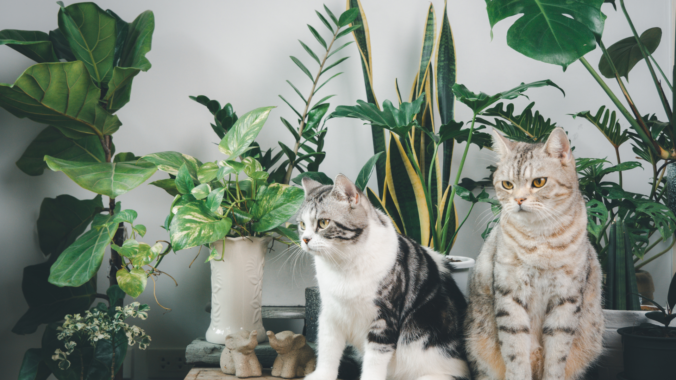
Indoor plants can be a delightful addition to a home, offering not just aesthetic value but also health benefits for both humans and their pets. Certain indoor plants can provide enrichment and stimulation for cats, promoting their well-being and keeping them engaged. Many cat owners may find that incorporating plants into their living spaces enhances their pets’ quality of life.

In addition to mental stimulation, some indoor plants can contribute to a healthier environment. They improve air quality by filtering toxins and releasing oxygen, which benefits both cats and their humans. Keeping indoor plants safe and pet-friendly ensures that felines can explore their natural curiosity without harm.

Understanding which plants are safe for cats is essential for responsible pet ownership. By selecting non-toxic varieties, pet owners can create a vibrant indoor landscape that nurtures their feline friends while adding beauty to their homes.

The Role of Houseplants in a Cat-Friendly Environment

Incorporating houseplants into a home can enhance both indoor air quality and create a cat-friendly atmosphere. It is essential to choose the right plants that contribute positively to the environment while ensuring safety for feline companions.

Indoor Air Quality and Plant Benefits

Houseplants play a significant role in improving indoor air quality. They can absorb carbon dioxide and release oxygen, creating a healthier atmosphere. Certain plants are known for their ability to filter harmful toxins from the air, such as formaldehyde and benzene.

Popular choices for indoor gardening include peace lilies, spider plants, and areca palms. These plants not only beautify the space but also contribute to cleaner air. With proper care, they thrive indoors, promoting a vibrant living environment for both humans and cats.

Non-Toxic Plant Selection for Cats

Choosing non-toxic plants ensures that feline friends remain safe from harmful substances. Some common cat-friendly houseplants include cat grass, bamboo palm, and parlour palm. These options are not only safe for cats but also encourage positive interactions.

When selecting houseplants, it is crucial to research their toxicity. A variety of resources are available, including the ASPCA’s database of plants toxic and non-toxic to cats. By opting for safe choices, pet owners can enjoy indoor gardening while creating a safe sanctuary for their pets.

Selecting Safe Plants for Feline Friends

Choosing the right indoor plants is essential for ensuring a safe environment for cats. Many plants enhance home aesthetics while being non-toxic to feline companions. Understanding which plants are safe and which to avoid is critical for pet owners.

Recognising Cat-Safe Plants

Identifying cat-safe plants involves researching plant types known to be non-toxic. Good options include catnip and cat grass, which are not only safe but also appealing to cats. Spider plants and Boston ferns are also recognised for their safety.

The Areca palm and bamboo palm are excellent choices for adding greenery without risk. The cast iron plant thrives in various conditions and poses no harm to cats. Owners should confirm any prospective indoor plant by referring to reliable sources or databases listing non-toxic species.

Plants to Avoid Due to Toxicity

While many plants are safe, some common varieties are toxic to cats. Plants like lilies, pothos, and sago palms can lead to severe health issues, including vomiting and organ failure. The Christmas cactus is often mistakenly believed to be safe but can still cause mild gastrointestinal discomfort.

It’s essential to educate oneself about plant toxicity. Always operate on the side of caution by keeping potentially harmful plants out of reach. When introducing new plants, consider contacting a veterinarian for guidance on plant safety concerning specific breeds or individual cats.

Cat-Friendly Flowers and Plants

Several flowering plants are also safe for cats, such as African violets and bamboo palms. Baby’s Tears is another option that adds a unique aesthetic while remaining non-toxic.

For those looking to outdoors, cat-friendly outdoor plants like lavender and roses are excellent additions that can also attract beneficial insects. Having indoor plants like ferns and cat-friendly flowers enriches the home environment without endangering feline friends. Emphasising the selection of safe varieties ensures a healthy indoor space for both cats and humans.

Health Benefits of Indoor Plants for Cats

Indoor plants can provide numerous health benefits for cats, enhancing their well-being and offering opportunities for stimulation. Certain plants not only create a healthier indoor environment but also engage cats in interactive activities that can be beneficial for their physical and mental health.

Enhancing Cat Wellbeing with Plant Interaction

Interaction with indoor plants can greatly improve a cat’s emotional and physical well-being. Plants such as parlour palms, haworthia, and money trees create a calming atmosphere while providing visual stimulation. The process of exploring these plants can reduce stress and boredom, acting as a natural enrichment tool.

Safe plants like African violets and peperomia encourage play and exploration. Cats often enjoy the textures and movements of plants, which can lead to natural behaviours such as climbing and pouncing. Ensuring that the chosen plants are non-toxic promotes a safe environment for them to engage without the risk of ingestion.

Stimulating Activities Through Safe Plants

Incorporating safe, interactive plants into the home creates opportunities for physical activity. The venus fly trap and mosaic plant can pique a cat’s curiosity, encouraging playful interaction. This can inspire movement and exercise, essential for maintaining a healthy weight.

Hanging plants, like the friendship plant and prayer plant, provide vertical spaces for climbing and lounging. The varied textures of plants such as zebra plants and echeveria offer tactile engagement. Through these activities, cats can expend energy and enhance their mental stimulation, as they explore and interact with their environment effectively.

Caring for Cat-Friendly Plants

Caring for plants that are safe for cats involves understanding their needs and ensuring they thrive in a home environment. Choosing appropriate plants and maintaining them while considering feline behaviour is essential for pet owners.

Essential Plant Care Tips

When caring for cat-friendly plants, proper light exposure is crucial. Most cat-safe plants, like peppermint and marigolds, prefer bright, indirect sunlight. Ensure that these plants are placed in areas where they can absorb sufficient light without being in direct sun, which might cause leaf scorch.

Water the plants according to their specific needs. Banana trees and Paddy’s wig thrive in moist soil, while others, like gloxinia, prefer to dry out between waterings. It’s essential to check the soil moisture regularly.

Fertilise using organic options suitable for houseplants. Consider products derived from seaweed for their natural nutrients. Watching for pests is also important; most cat-friendly plants can attract insects. Using natural pest deterrents will keep both plants and pets safe.


The Dos and Don’ts of Cat Grooming: Essential Tips for a Healthy Coat

Grooming plays a crucial role in maintaining the health and well-being of cats. Understanding the dos and don’ts of cat grooming can help cat owners ensure their feline companions are comfortable and well-cared for. Regular grooming not only reduces shedding and prevents matting, but it also strengthens the bond between the cat and its owner.

For cat lovers, knowing the right techniques and tools is essential. Grooming should be a positive experience for the cat, which is why gentle handling and the use of appropriate equipment can make a significant difference. There are common mistakes that many owners make, which can lead to stress for both the cat and the person grooming.

Taking the time to learn about effective grooming practices can enhance the lives of cats and their owners alike. From selecting the right brush to understanding when to seek professional help, this guide will offer practical tips to ensure that grooming sessions are efficient and enjoyable.

Preparing for Cat Grooming

Preparing for cat grooming involves selecting appropriate tools and understanding the specific coat type of the cat. This ensures a more effective and less stressful grooming experience for both the cat and the owner.

Selecting the Right Grooming Tools

Choosing the right grooming tools is critical for maintaining a cat’s coat. Basic tools include:

  • Slicker Brush: Excellent for removing loose fur and mats in long-haired cats.
  • Bristle Brush: Ideal for short-haired cats to distribute natural oils and keep the coat shiny.
  • Combs: For untangling knots and addressing specific areas such as behind the ears.
  • Nail Clippers: Essential for keeping claws trimmed and preventing injury.

Regular grooming can help reduce shedding and hairballs. Additionally, having a grooming glove can make brushing more enjoyable for both the cat and the owner. It is important to choose tools that are comfortable for the cat’s coat and their personal grooming needs.

Understanding Your Cat’s Coat Type

Different cats have varying coat types that require specific grooming approaches.

  • Short-Haired Cats: They generally need less grooming but benefit from weekly brushing to remove loose hair and debris. A bristle brush or rubber curry comb works well for them.
  • Long-Haired Cats: These cats need more frequent grooming, ideally several times a week, to prevent mats and tangles. A slicker brush is effective for this task, while a wide-tooth comb can help with detangling.

It is crucial to pay attention to the cat’s coat condition. Special attention should be given during shedding seasons, as this is when grooming becomes particularly necessary. Regular grooming promotes a healthier coat and strengthens the bond between the cat and its owner.

Executing the Grooming Routine

Establishing a proper grooming routine is essential for maintaining a cat’s hygiene and comfort. This section outlines effective techniques for brushing, bathing, ear cleaning, and nail trimming.

Brushing Techniques

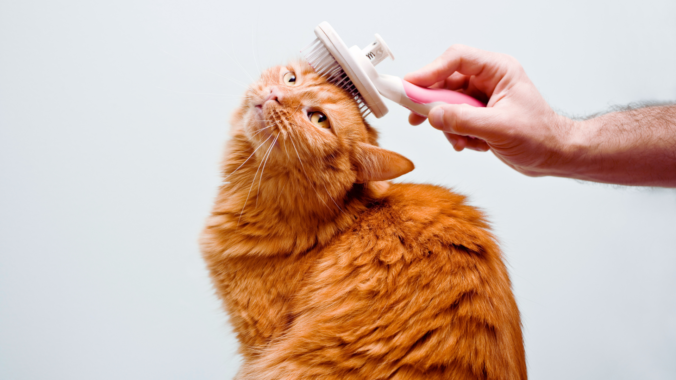
Brushing a cat aids in removing loose hair and preventing matting. It is vital to choose the right brush based on the cat’s coat type. For short-haired cats, a bristle or rubber brush typically suffices. For long-haired breeds, a wide-toothed comb can effectively tackle tangles.

Start by gently brushing in the direction of hair growth. This not only keeps the cat comfortable but also allows for the removal of dirt and debris. Focus on areas prone to matting, such as behind the ears and under the legs. Be attentive to the cat’s response; if it shows signs of discomfort, adjust the technique or take breaks.

Bathing Best Practices

While most cats groom themselves, occasional baths may be necessary. This is especially true for kittens or older cats that struggle with mobility. Use a cat-specific shampoo to avoid skin irritation. Fill the tub or sink with a few inches of lukewarm water and wet the cat thoroughly, avoiding the head.

Apply the shampoo gently, working it into a lather. Rinse thoroughly to prevent soap residue. After bathing, dry the cat with a towel, and consider using a hairdryer on a low setting, keeping it at a safe distance. It is essential to keep bathing sessions calm and brief to reduce stress.

Ear Cleaning Procedures

Regular ear cleaning helps prevent infections and the build-up of wax. Begin by visually inspecting the ears for redness, swelling, or discharge. If anything appears abnormal, consult a veterinarian before proceeding.

Use a vet-recommended ear cleaner on a cotton ball. Gently wipe the outer ear, being cautious not to insert anything into the ear canal. Only clean the visible parts, and avoid aggressive scrubbing. Regular checks and cleanings can ensure the cat’s ears remain healthy.

Nail Trimming Steps

Nail trimming is crucial for a cat’s well-being. Overgrown nails can lead to discomfort or injury. Invest in a quality pair of cat nail clippers for greater precision.

Begin by letting the cat become familiar with the clippers. The best method is to trim a few nails at a time to avoid overwhelming the cat. Hold the paw gently and press the pad to extend the nail. Identify the quick, which is the pink area containing blood vessels, and avoid cutting into this area. Trim just the tip of the nail. Reward the cat afterwards with a treat, reinforcing positive behaviour.

Addressing Grooming Challenges

Grooming cats presents unique challenges, particularly when issues like skin irritation, hair loss, and signs of redness arise. Understanding how to handle these situations is crucial for maintaining a cat’s health and comfort.

Dealing with Skin Irritation

Skin irritation in cats can result from various sources, such as allergies or improper grooming techniques. It is essential to identify potential allergens, which could include certain grooming products, fabrics, or even food.

To alleviate irritation, a gentle, hypoallergenic shampoo should be chosen. Regularly inspecting the cat’s skin during grooming helps catch issues early. If the irritation persists, a veterinarian should assess the situation, as some cases may require medicated treatments to soothe inflamed skin.

Managing Hair Loss

Hair loss in cats may occur due to stress, poor nutrition, or underlying health issues. Identifying the root cause is essential for effective management. Ensuring the cat’s diet is balanced and of high quality can help support healthy fur.

Regular grooming can minimise hair loss by removing loose fur before it falls out. If noticeable bald patches appear, consulting a veterinarian is advised. They may conduct tests to rule out conditions such as parasites or fungal infections that could contribute to hair loss.

Spotting Signs of Redness

Redness on a cat’s skin can indicate inflammation or irritation. Observing the cat during grooming helps spot these signs early. Areas most susceptible include the belly, underarms, and behind the ears.

Prompt attention to redness is important as it may lead to more serious issues if left untreated. If redness occurs, assessing grooming tools for suitability is vital. Soft brushes are recommended to avoid exacerbating the condition. If the redness persists, veterinary advice should be sought to determine the underlying cause and appropriate treatment.

Engaging Professional Services

When grooming a cat, there are situations that warrant professional assistance. Recognising these moments can ensure a cat receives the best care and grooming experience.

When to Consult a Professional Groomer

Consulting a professional groomer can be crucial in specific scenarios. If a cat has a long or dense coat, regular grooming may become too challenging for an owner. Professional groomers have the tools and expertise to effectively manage matting and tangling that can occur.

Cats that exhibit anxiety during grooming sessions may benefit from professional handling. Groomers use techniques with positive reinforcement to minimise stress, ensuring a more pleasant experience for the cat.

Cats with specific health issues, such as skin problems or mobility concerns, should also receive professional attention. A groomer can assess the cat’s condition and provide tailored grooming that respects its needs.


When to Take Your Cat to the Vets: Key Signs for Early Intervention

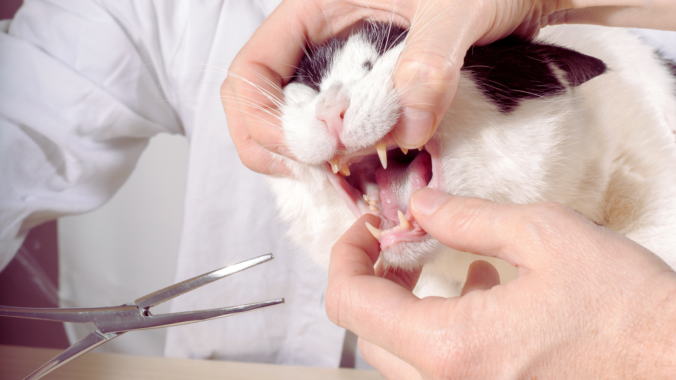
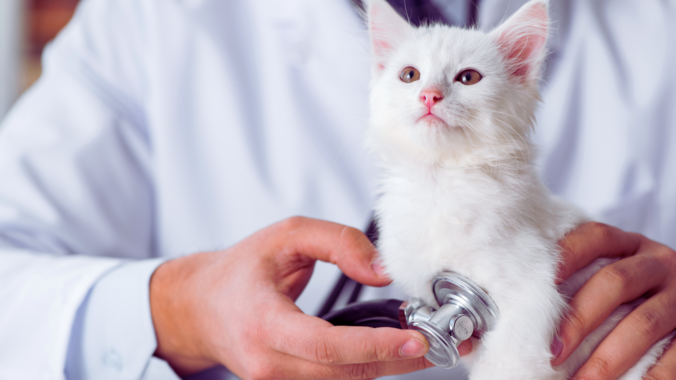
Cats can be elusive when it comes to their health, often hiding signs of illness until a situation becomes serious. Owners may wonder what symptoms necessitate a trip to the vet. When in doubt, it is best to consult with a veterinarian, especially if a cat displays unusual behaviour or physical symptoms.

Routine check-ups are crucial for maintaining a cat’s overall health, even if it appears fine. Regular vaccinations, dental checks, and assessments can prevent potential health problems from developing. Additionally, being alert to changes in a cat’s eating habits, litter box usage, or energy level can be key indicators of underlying issues.

Understanding when to seek veterinary care can make a significant difference in a cat’s well-being. By recognising critical signs and prioritising regular health visits, owners can ensure their feline companions remain happy and healthy.

Recognising Emergencies

Recognising when a cat requires urgent veterinary attention is crucial for its health and well-being. Emergencies can arise from accidents or health crises that need prompt intervention.

Trauma and Accidents

Cats are curious creatures and may encounter dangerous situations. Trauma can result from falls, road accidents, or fights with other animals.

Signs of trauma include:

  • Visible wounds: Cuts, bruises, or bleeding.
  • Limping: Indication of pain or injury in limbs.
  • Unresponsiveness: Lack of reaction to stimuli can indicate severe distress.

If a cat shows any of these symptoms, seeking veterinary help as soon as possible is essential. Delayed treatment can lead to serious complications.

Difficulty Breathing

Respiratory distress is a serious situation for any cat. Signs include rapid or laboured breathing, wheezing, or gasping for air.

It is important to observe:

  • Open-mouth breathing: This indicates significant trouble.
  • Cyanosis: A bluish colour in the gums or tongue suggests oxygen deprivation.
  • Abdominal effort: Visible effort to breathe can indicate severe underlying issues.

Immediate veterinary evaluation is needed to diagnose and treat the cause of respiratory distress. Timely intervention can be life-saving.

Seizures and Convulsions

Seizures can be alarming and indicate serious medical issues. Signs include uncontrolled twitching, loss of consciousness, or thrashing movements.

Key points to recognise are:

  • Duration: Seizures lasting more than a few minutes require urgent care.
  • Postictal phase: Confusion or disorientation following a seizure can indicate a more serious condition.
  • Recurrent seizures: Multiple seizures within a short period need immediate attention.

A veterinarian should evaluate the cat promptly for potential underlying conditions, such as epilepsy or poisoning. Recognising these signs can lead to effective treatment and management.

Common Health Issues

Cats can experience various health issues that require veterinary attention. Recognising the signs and symptoms early can lead to better outcomes. Two common concerns are gastrointestinal disturbances and urinary irregularities.

Vomiting and Diarrhoea

Vomiting and diarrhoea in cats may indicate underlying health problems. Common causes include dietary indiscretion, food intolerance, infections, or parasites.

When a cat vomits frequently or has watery stools, it’s essential to monitor for additional symptoms such as lethargy, loss of appetite, or dehydration. If vomiting occurs more than once or if diarrhoea lasts longer than 24 hours, veterinary care is crucial.

Owners should ensure their cats are hydrated and consider withholding food for 12-24 hours before reintroducing a bland diet.

Signs that warrant an immediate vet visit include blood in the vomit or stool, severe abdominal pain, or changes in behaviour.

Urinary Irregularities

Urinating outside the litter box can indicate urinary tract issues, stress, or behavioural problems. Cats may develop urinary tract infections, bladder stones, or even feline idiopathic cystitis, which can cause discomfort.

Watch for signs such as straining to urinate, frequent trips to the litter box, or blood in the urine.

If a cat is unable to urinate, this becomes a veterinary emergency, as it can lead to severe health risks. Regular veterinary check-ups can help identify and prevent urinary issues.

Ensuring a clean litter box and providing multiple boxes can help reduce stress-related urination problems.

Behavioural and Physical Signs

Cats can exhibit various behavioural and physical signs that indicate when a visit to the veterinarian may be necessary. Recognising these signs promptly is crucial for ensuring the health and well-being of the cat.

Changes in Behaviour

Significant changes in a cat’s behaviour may signal health issues. If a cat suddenly becomes more withdrawn or hides frequently, it could indicate distress or illness.

Increased aggression or irritability can also be a concern, particularly if it’s out of character. Other signs may include reduced appetite, altered drinking habits, or excessive grooming.

Laziness or reluctance to engage in normal activities, such as playing or exploring, often warrants attention. If these behavioural changes persist for more than a day or two, a consultation with a veterinarian is advisable.

Panting and Open-Mouth Breathing

Panting and open-mouth breathing in cats can indicate serious medical conditions. Unlike dogs, cats do not typically pant under normal circumstances. When they do, it may suggest heat stress, anxiety, or respiratory distress.

Open-mouth breathing is especially concerning and can signify a lack of oxygen or other respiratory issues. A cat should breathe through its nose; deviations from this pattern require urgent veterinary care.

If seen, the owner should note any additional symptoms, such as coughing or lethargy, as these can assist the veterinarian in diagnosing the problem effectively. Immediate action is crucial in these situations to address potential health threats.


The 8 Benefits of Having Cats As Companions

For centuries, cats have been beloved companions of humans. From ancient Egypt to the modern day, cats have long been cherished as a symbol of love, joy, and friendship. But what are the benefits of having cats as pets? In this blog post, we’ll explore 8 reasons why cats make the best four-legged friends. From their calming presence to their playfulness and intelligence, find out why cats are some of our most loyal and lovable companions!

Cats are Low Maintenance

No need for expensive toys or feeding schedules: a cat’s independent nature means they’re content to spend the hours alone. All they really need is a litter box, some food, and a scratching post to keep them happy.

Cats Can Help Relieve Stress and Anxiety

There are a number of benefits to having cats as companions, but one of the most important is that they can help relieve stress and anxiety. Cats are known for their calming effect on people, and they can be a great source of comfort when you’re feeling anxious or down. If you’ve ever been through a tough day at work or had a bad fight with your partner, coming home to your cat can make all the difference. They offer unconditional love and support, which can be exactly what you need in times of trouble.

Cats Teach Responsibility

Assuming you are talking about a kitten when you first get them they will need your full attention. They need to be fed more often than adult cats, have their litter box cleaned more frequently, and require more playtime. Getting a kitten is a big responsibility, but it’s also a lot of fun. They are so cute and full of energy! As they grow older and become adults, their needs will change and they will require less of your time. But even as an adult cat, they will still need some level of care from you. Cats make great companions because they teach us responsibility.

Cats Offer Unconditional Love and Companionship

Cats are loyal, loving, and affectionate animals that make great pets. If you’re looking for a pet that will offer you companionship and love, then a cat is a perfect choice.

Cats Provide Comfort and Support

Cats make great companions for people of all ages. They’re perfect for seniors who want a low-maintenance pet, or for busy families who need a pet that can entertain itself. Cats are also ideal for people who live alone. They provide companionship without being too demanding. There are many scientific studies that show the benefits of having a cat as a companion. They can help improve your mood and mental well-being. So if you’re looking for a furry friend to help you through tough times, look no further than your local shelter!

Cats are Clean and Hygienic Animals

Cats are exceptionally clean and hygienic animals. They are constantly grooming themselves and their fur is naturally water-repellent. This means that they are much less likely to track dirt and mud into your home than other pets such as dogs. Cats also have very few sweat glands, so they don’t produce the body odour that some other animals do.

Cats Provide Entertainment

Cats make great companions for a variety of reasons. One of the main reasons is that they provide entertainment. If you’re looking for a pet that will keep you entertained, a cat is a great choice. They are playful creatures and love to explore. This means that they’re always up for a game, no matter what time of day it is. Whether you’re playing with them or simply watching them, you’re sure to have a good time.

Cats Can Be Trained Easily

One of the great benefits of having cats as companions is that they are very easy to train. You can teach them to use a litter box, scratch furniture, and even come when called.

Cats make wonderful companions and can provide a lifetime of love, joy, and entertainment. With so many benefits to owning cats as pets, it’s easy to see why they are such popular choices for companion animals. From their low maintenance needs to the unique personalities that each cat displays, cats bring something special into our lives – from providing comfort when we need it most to simply keeping us company during those long days at home. So if you’re looking for a pet with unconditional love and lots of personalities, look no further than the friendly feline!

Newer posts »

© 2026 Hex and Ginger

Theme by Anders NorenUp ↑