DISCOVER THE ADVENTURES OF KATE, HEX, AND GINGER

Category: The Furry Lifestyle (Page 2 of 2)

Grooming Essentials for Your Long-Haired Cat: A Comprehensive Guide to Keeping Their Coat Healthy

Long-haired cats require special attention when it comes to grooming. The right tools and techniques can significantly reduce matting and tangles, ensuring that your feline friend remains comfortable and healthy. Regular grooming not only helps maintain the coat’s condition but also strengthens the bond between the cat and its owner.

Essential grooming items include a high-quality slicker brush, a wide-toothed comb, and grooming scissors. These tools can help manage thick fur and prevent the discomfort associated with matting. Additionally, introducing grooming sessions early can acclimatise the cat to the process, making it easier for both the cat and the owner.

Beyond brushing, other grooming essentials include regular nail trimming and ear cleaning. These practices contribute to the overall well-being of long-haired cats, promoting a happy and healthy life. With the right approach, maintaining a long-haired cat’s appearance becomes an enjoyable routine rather than a chore.

Understanding Your Long-Haired Cat’s Grooming Needs

Long-haired cats require specific grooming routines to maintain their coat health and prevent issues such as matting and tangles. Regular grooming not only keeps their fur looking pristine but also promotes overall well-being.

The Importance of Regular Grooming Sessions

Regular grooming sessions play a crucial role in managing a long-haired cat’s coat. It helps to remove loose hair and reduces the likelihood of hairballs. Hairballs can cause discomfort and gastrointestinal issues if not managed properly.

Aim to groom long-haired cats at least two to three times a week. This frequency helps to minimise matting and tangling, which can cause skin irritation. Cats often appreciate the bonding time that grooming provides, enhancing their comfort and trust in their owner.

Recognising Signs of Matting and Tangles

Matting and tangles can develop quickly in long-haired cats, often going unnoticed until they become problematic. It is essential to inspect the coat regularly for any signs of matting, particularly in areas such as the armpits, behind the ears, and around the tail.

Matting can lead to skin infections and discomfort for the cat. Tangles may also pull on the cat’s skin, causing pain. Owners should look for clumps of hair that feel tight or stiff; these indicate areas that require immediate attention.

Choosing the Right Grooming Tools

Selecting the appropriate grooming tools is vital for effective grooming. Some essential tools include:

  • Slicker Brushes: Ideal for removing loose fur and preventing matting.
  • Metal Combs: Effective for detangling and smoothing the coat.
  • Clippers: Useful for trimming areas where mats have become severe.
  • Mat Splitters: Specifically designed to alleviate stubborn mats without pulling the fur.
  • Grooming Scissors: Perfect for shaping and removing less severe tangles.

Using the right tools can make grooming a more pleasant experience for the cat and the owner. Regularly cleaning and maintaining these tools will also enhance their effectiveness during grooming sessions.

The Essential Grooming Toolkit

Having the right tools for grooming a long-haired cat is crucial for maintaining their coat health and overall well-being. The toolkit should include brushes, trimming tools, and additional aids to manage their specific grooming needs effectively.

Brushes and Combs for Long-Haired Cats

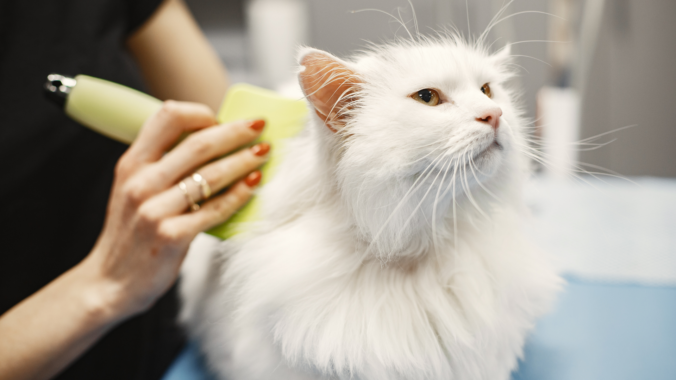
A slicker brush is essential for long-haired cats, as it removes loose hair and undercoat while preventing matting. The fine, bent wires easily glide through thick fur, making it perfect for daily brushing. A metal comb is also important; it helps to detangle any knots and smooth the coat.

Brushing Technique: Start by using the slicker brush, beginning at the back and moving forward in the direction of hair growth. Follow up with the metal comb to catch any remaining tangles. Regular brushing not only keeps the coat healthy but also stimulates the skin’s natural oils.

Trimming Tools: Clippers and Scissors

Clippers and grooming scissors play a vital role in maintaining a long-haired cat’s coat. Cat nail clippers are necessary for keeping claws properly trimmed and preventing injury. It’s recommended to trim nails every 2-4 weeks.

Grooming scissors can be used for trimming any areas that may become matted or tangled. A mat splitter is an effective tool for gently removing mats without damaging the fur. Shear the mats carefully, ensuring to avoid any skin injuries.

Additional Aids: Gloves and Natural Products

Grooming gloves are a fantastic addition to the toolkit. They allow for a gentle grooming experience while allowing the owner to bond with the cat. They also help to collect loose hair effectively.

Incorporating natural grooming products can aid in maintaining coat health. Many cat owners opt for natural shampoos and conditioners designed for sensitive feline skin. Natural oils can also be used to reduce static and improve coat shine, promoting a healthier appearance and preventing irritation.

Establishing a Grooming Routine

A structured grooming routine is essential for maintaining the coat and health of a long-haired cat. This section explores how to create a comfortable grooming environment, develop a consistent grooming schedule, and when to consider professional grooming services.

Creating a Comfortable Grooming Environment

A positive atmosphere enhances the grooming experience for both the cat and the groomer. Select a quiet, well-lit area where the cat feels secure. It can be beneficial to have all grooming tools readily accessible.

Use a soft blanket or grooming mat to provide comfort. Introducing familiar scents or toys can also reduce anxiety. Implementing positive reinforcement during grooming sessions encourages good behaviour, so keep treats nearby to reward the cat for cooperation. This strategy makes the grooming process more enjoyable and helps develop trust.

Developing a Consistent Grooming Schedule

Consistency is key to keeping a long-haired cat’s coat healthy. Regular grooming sessions tailored to the cat’s needs should be established. Daily brushing can be ideal for preventing tangles and mats, especially in dense fur.

For cats less prone to matting, a few times a week may suffice. Establish a set time for grooming to create a routine. Owners should observe their cat’s behaviour to adapt the schedule as needed, gradually increasing the time spent if the cat becomes accustomed to the process.

Professional Grooming: When to Seek Assistance

Sometimes, a professional groomer is the best option for long-haired cats, particularly if owners face challenges with tangles or mats. Professional groomers possess the skills and tools necessary for more complicated grooming needs.

Consider mobile grooming services for convenience, bringing professional care directly to your home. Cat grooming salons can provide specialised options, ensuring that the cat receives proper handling and care. Observe your cat’s coat condition and behaviour; if grooming becomes stressful or yields unsatisfactory results, seeking professional assistance can be beneficial.

Do-It-Yourself Grooming Techniques

Grooming a long-haired cat at home can be a rewarding experience. A consistent routine helps maintain their coat and well-being. This section highlights effective methods for brushing, nail trimming, and bathing.

Mastering the Art of Brushing

Brushing is crucial for long-haired cats to prevent matting and reduce shedding. Using a cat brush specifically designed for their fur type will make the task easier and more effective.

  • Choose the Right Brush: Opt for a wide-toothed comb or a slicker brush to remove tangles and loose hair. A bristle brush can help distribute natural oils in the coat.
  • Technique: Start at the head and work towards the tail, brushing in the direction of hair growth. Be gentle, especially in sensitive areas like the belly and underarms.
  • Frequency: Establish a grooming routine of 2-3 times a week. This not only keeps the coat healthy but also strengthens the bond between the cat and the owner.

Safe Nail Trimming Practices

Routine nail trimming is essential for a long-haired cat’s health. Keeping nails short prevents injury and damage to furniture.

  • Tools Needed: Use cat-specific nail clippers for precision. Opt for either scissors-style or guillotine-style clippers, depending on the owner’s comfort.
  • Technique: Hold the cat’s paw firmly yet gently. Identify the quick, pink area inside the nail, and avoid cutting into it. Trim just the tip of the nail for safety.
  • Frequency: Trim nails every 2-4 weeks, depending on the cat’s activity level. Regular trimming makes the process easier over time, as the cat becomes familiar with the routine.

Bathing Your Cat with Cat-Specific Shampoo

Bathing a long-haired cat can be challenging but is sometimes necessary for hygiene. A proper approach can make the experience smoother.

  • Choose the Right Shampoo: Use a cat-specific shampoo that is gentle and formulated for their skin type. Human shampoos may cause irritation.
  • Preparation: Select a suitable bathing area. Using a non-slip surface helps the cat feel secure. Gather towels, a sponge, and shampoo beforehand.
  • Bathing Process: Wet the cat’s coat using lukewarm water, avoiding the face. Lather the shampoo thoroughly and rinse well, ensuring no residue is left.
  • Drying: After bathing, gently towel dry the cat. Some might tolerate a low-heat blow dryer, but ensure it is at a safe distance to avoid overheating.

Implementing these do-it-yourself grooming techniques will contribute significantly to the health and appearance of long-haired cats.


Stylish Accessories for Your Cat: Elevate Their Look with Trendy Collars and Bowties

Cats are not just pets; they are beloved companions that often reflect their owners’ styles. As pet fashion continues to evolve, stylish accessories for cats are becoming essential not just for aesthetics but also for practicality. These accessories can enhance a cat’s appearance while ensuring comfort and safety.

From chic collars to playful toys, each accessory adds a unique flair to a cat’s personality. Many owners are keen to find options that balance fashion with functionality, ensuring their feline friends are well-equipped for both indoor and outdoor adventures. Choosing the right accessories can also improve a cat’s well-being and provide them with mental stimulation.

Exploring the world of cat accessories opens up creative possibilities for owners looking to express their style through their pets. With numerous options available, including designer collars and personalised items, cats can strut their stuff in style. Discovering the perfect accessories transforms everyday life for both cats and their owners.

Essential Cat Accessories

Selecting the right accessories is crucial for your cat’s well-being. Essential items enhance their feeding, comfort, and play, contributing to a happier and healthier feline.

Feeding Essentials

Choosing suitable feeding essentials ensures that a cat enjoys mealtimes. Cat bowls should be sturdy, easy to clean, and appropriately sized. Stainless steel or ceramic bowls are often preferred due to their durability and hygiene.

Regularly replacing or cleaning bowls helps prevent bacteria build-up. Cat food should be high-quality and age-appropriate, tailored to the cat’s specific dietary needs. It’s beneficial to consult a vet on the best nutritional options available.

Automatic feeders can provide portion control and consistency, especially for busy owners. Keeping fresh water accessible at all times is vital for hydration and overall health.

Comfortable Sleeping Solutions

A quality cat bed can significantly enhance a cat’s comfort. Look for beds made from soft materials that provide warmth and support. Raised edges or enclosed designs offer a sense of security, which many cats prefer.

Consider various sleeping styles, as some cats like to curl up, while others enjoy stretching out. Placing the bed in a quiet, warm corner can encourage restful sleep.

Thoughtful cat bed placement also allows the cat to observe its surroundings from a safe spot. Regularly washing the bedding promotes cleanliness and comfort.

Playtime and Stimulation

Engaging your cat with cat toys is essential for its physical and mental stimulation. Toys that mimic prey, such as feather wands or laser pointers, encourage natural hunting instincts.

Interactive toys can keep a cat occupied, preventing boredom. Puzzle feeders present a fun challenge while promoting healthy eating habits by making mealtime more engaging.

Rotating toys regularly keeps playtime fresh, encouraging your cat to remain active. Providing a variety of textures and sounds can further stimulate a cat’s interest and playfulness.

Fashion and Safety for Your Feline

When selecting accessories for a cat, it’s vital to combine style with safety. A well-chosen collar not only enhances a cat’s appearance but also serves essential functions, such as identification and comfort. Luxury tags can further elevate the look while ensuring peace of mind for owners.

Stylish Collar Options

A stylish collar serves as a fashionable accessory while ensuring safety. Many options display a range of materials, colours, and designs. Soft fabrics like nylon or cotton are popular choices, offering comfort without irritation.

Reflective collars increase visibility during evening walks, enhancing safety. Some collars come with quick-release clasps, allowing the cat to free itself if it gets snagged. Customisation options, such as patterns or personalised embroidery, can add a unique flair.

Owners may also opt for luxury cat collars made from premium materials, such as leather, which provide durability. It’s essential to ensure the collar fits properly: too tight can choke, while too loose can slip off.

Luxury Tags and Accessories

Luxury tags and accessories complement stylish collars by adding functionality and aesthetic appeal. Engraved tags can display the cat’s name and owner’s contact information, ensuring easy identification if lost. Options may include decorative shapes or high-quality materials such as stainless steel or brass.

Additional accessories, such as coordinating bows or bandanas, elevate a cat’s style further. These items are available in a variety of fabrics, colours, and patterns to suit the owner’s taste. Some accessories are designed for special occasions or specific themes, allowing for creativity.

Prioritising safety in tags is equally important. Tags should be securely attached to collars and lightweight, minimising discomfort. Fashion can blend seamlessly with practicality, creating a stylish yet safe environment for feline companions.

Premium Comfort for Cats

Creating a luxurious environment for a cat involves selecting the finest resting spots. Comfort not only enhances the pet’s well-being but also elevates the aesthetic of the home.

Luxury Resting Spots

Luxury cat beds provide a perfect combination of style and comfort. These beds often feature soft, plush materials that cater to a cat’s instinct to snuggle.

Danish design plays a significant role in the world of high-end cat accessories. With sleek lines and minimalist aesthetics, these beds fit seamlessly into modern interiors. Products often incorporate high-quality upholstery, ensuring durability and ease of cleaning.

Further, many luxury beds include supportive memory foam, adapting to the cat’s body for optimal snoozing. Elevated designs offer a sense of security while keeping the cat cool by allowing air circulation. These features contribute to a restful environment, making luxury cat beds an attractive investment for discerning pet owners.

Convenient Shopping and Delivery

Shopping for stylish accessories for cats has become more accessible with various online retailers. They offer a wide selection of products, allowing pet owners to find items that suit their cat’s personality and style.

Many websites provide user-friendly interfaces that enhance the shopping experience. Customers can easily navigate categories such as collars, toys, and clothing.

Key benefits of online shopping include:

  • Convenience: Shoppers can browse from the comfort of their homes.
  • Variety: A vast range of unique accessories is available.
  • Price Comparisons: Easily compare prices from different retailers.

For those in the UK, several companies offer reliable delivery options. Key delivery features include:

  • Standard Delivery: Usually takes 3-5 working days.
  • Next-Day Delivery: Available for urgent purchases.
  • Free Delivery Options: Often provided on orders over a certain amount.

When selecting a retailer, it’s essential to check their delivery policies. Some may offer tracking, while others might provide delivery to specific locations like local pick-up points.

Considering return policies is also crucial. This ensures that if an item does not fit or meet expectations, it can be easily returned for an exchange or refund.

Overall, combining a diverse range of stylish options with convenient shopping and delivery enhances the cat accessory buying experience.


The Benefits of a Cat Tree: Enhancing Your Feline’s Life and Well-being

Cat trees provide an essential space for feline play and rest, enhancing the living environment for both cats and their owners. They offer numerous benefits, including promoting feline health through exercise and providing vital enrichment for a cat’s mental stimulation. By virtualising their territory, cat trees allow cats to exhibit natural behaviours such as climbing, scratching, and observing their surroundings from high vantage points.

Investing in a cat tree can lead to a more harmonious home. Cats are instinctively drawn to heights, and cat trees satisfy this natural inclination while also reducing stress and boredom. As a result, they contribute not only to a cat’s physical health but also to its emotional well-being, which is crucial for a happy and balanced pet.

Furthermore, cat trees can help protect furniture and belongings by giving cats an acceptable outlet for their scratching behaviour. By providing dedicated spaces for play and relaxation, these structures enhance a cat’s quality of life, fostering a secure and stimulating environment.

Fundamentals of Cat Trees

Cat trees play a crucial role in providing the necessary environment for feline well-being. They offer vertical space, accommodate different designs, and require careful consideration of size and stability.

Importance of Vertical Space for Cats

Cats instinctively seek vertical space as it offers various benefits. High perches allow them to observe their surroundings, promoting a sense of safety and reducing stress. In a multi-pet household, vertical platforms enable cats to establish their territory effectively.

A well-designed cat tree should include multiple levels. These levels cater to a cat’s natural climbing behaviour, providing exercise and stimulation. Vertical space can also prevent unwanted interactions among pets by creating safe zones.

Offering high vantage points plays a vital role in reducing anxiety and promoting mental health in cats. Thus, vertical space is critical for any cat tree design.

Variety in Design and Construction Materials

Cat trees are available in various designs to match different lifestyles and home aesthetics. From simple, minimalist structures to elaborate multi-level playgrounds, options are abundant.

Materials used in construction significantly impact durability and safety. Common materials include wood, carpeting, and sisal. Quality construction ensures stability and long-term use, which is vital for active cats that might jump or climb energetically.

Design features such as tunnels, scratching posts, and ramps offer additional engagement, catering to a cat’s playful nature. Selecting the right combination of materials and design elements enhances the functionality of a cat tree.

Proper Size and Stability Considerations

When choosing a cat tree, size and stability are essential. A tree must accommodate the cat’s size and weight, ensuring it supports their movements without risk of tipping. Larger trees provide ample space for multiple cats or for one cat to stretch out comfortably.

Stability is enhanced through a broad base and quality materials. Cat trees with narrow bases may wobble, leading to potential accidents. Therefore, choosing a tree that balances height and width is pivotal.

Ensuring that the tree is suitable for the intended space is equally important. Measuring available space allows for an optimal fit that enhances the environment without crowding the room.

Behavioural Benefits and Enrichment

A cat tree provides essential opportunities for cats to engage in natural behaviours and encourages mental stimulation. It enables them to express their instincts while creating a safe and enriching environment.

Natural Instincts and Appropriate Play

Cats possess natural instincts to scratch and climb, which are crucial for their well-being. A cat tree offers designated scratching surfaces, allowing cats to maintain their claws and mark territory, which helps prevent destructive behaviour on household items.

Climbing structures encourage exploration and promote physical health. Cats can exercise by jumping between levels, which strengthens muscles and satisfies their instinctive need for height. This play often includes using dangling toys attached to the tree, inviting active interaction and prey-like behaviour.

Mental Stimulation and Environmental Enrichment

Mental stimulation is paramount for a cat’s health. Cat trees enrich their environment by providing varied textures, heights, and hideaways. This diversity encourages curiosity and prevents boredom.

Interactive elements like dangling toys serve to engage a cat’s focus and promote problem-solving skills. The presence of multiple platforms allows for opportunities to observe their surroundings. This stimulation is important for a cat’s mental well-being, reducing anxiety and behavioural issues.

Creating Safe and Inviting Spaces

A cat tree creates safe spaces where a cat can retreat when feeling stressed. Elevated perches help them feel secure while lounging or observing their environment.

Offering multiple levels and hideaways mimics natural habitats, allowing cats to feel safe while enjoying their surroundings. It is important to ensure that the tree is stable and positioned in a comfortable area, promoting a sense of ownership and reducing the likelihood of behavioural anxieties.

Practical Advantages for Cat Owners

Cat trees offer numerous practical benefits for owners by promoting health, safeguarding belongings, and catering to the needs of multiple cats. By providing a designated space, they help create harmony within the home.

Maintaining Cat Health and Well-Being

Cat trees encourage physical activity, which is essential for a cat’s health. The elevated platforms allow for climbing and jumping, promoting exercise that helps maintain a healthy weight.

Furthermore, climbing gives cats a chance to engage in natural behaviours, stimulating their minds. Many cat trees include scratching posts, which satisfy a cat’s instinct to scratch, preventing them from damaging furniture.

Regular use of a cat tree can lead to reduced stress and anxiety levels. This safe personal space allows cats to observe their surroundings and retreat when needed, contributing to their emotional well-being.

Protecting Furniture and Personal Items

Cats often scratch furniture to mark territory or to keep their claws healthy. Providing a dedicated scratching post on a cat tree can deter this behaviour.

By directing scratching instincts to a specific location, cat trees help protect sofas, chairs, and other personal items.

Owners can choose cat trees that match their decor, enhancing the aesthetic of their living space while safeguarding against claw damage. Investing in a quality cat tree addresses the challenge of unwanted scratching effectively.

Solutions for Multi-Cat Households

In multi-cat households, tensions can sometimes arise as cats compete for resources or territory. A cat tree with multiple levels and platforms provides ample space for each cat, reducing conflicts.

High vantage points allow each cat to perch without coming into direct contact with others, fostering a sense of security.

Additionally, multi-level structures provide several scratching surfaces and resting spots, ensuring that all cats can express their natural behaviours. This can lead to a more harmonious environment where each cat feels secure and valued within the household.

Selecting the Ideal Cat Tree

Choosing the right cat tree involves considering its location, features, and whether to opt for a wall-mounted or freestanding model. Each aspect plays a critical role in the cat’s enjoyment and engagement with the tree.

Location and Accessibility

The cat tree’s placement is vital for its usage. It should be positioned in a spot that is easily accessible to the cat while also allowing it to observe its surroundings. Cats often prefer elevated positions, so placing the tree near a window or in a corner where they can watch activity is ideal.

Accessibility is crucial; a cat tree that is hard to reach may discourage use. If the tree has multiple levels, ensure that the heights accommodate the cat’s jumping abilities. Visibility and accessibility can enhance the cat’s comfort and encourage exploration of different levels.

Assessing Features and Accessories

When selecting a cat tree, features greatly influence its appeal. Look for elements like scratching posts, multiple platforms, and hiding spots. These allow for both play and relaxation.

The inclusion of dangling toys can stimulate a cat’s hunting instincts. Consider adding features like catnip-infused areas to entice the cat further. Assessing the sturdiness is also important, as a wobbling structure can deter use. A well-rounded cat tree incorporates different textures and activities to keep the cat engaged.

Wall-Mounted Versus Freestanding Options

Deciding between a wall-mounted or freestanding cat tree depends on space and feline behaviour. Wall-mounted trees save floor space and can offer unique climbing opportunities for active cats. This type often allows for more creative arrangements, letting cats explore vertical space in the home.

Freestanding trees provide flexibility in placement and often come with more features, such as built-in hideaways and scratching posts. Evaluate the available space and the cat’s behaviour. A more active cat may appreciate the challenges of a wall-mounted tree, while a relaxed cat might prefer the comfort of a larger freestanding option.


The Benefits of Indoor Plants for Cats: Enhancing Their Environment and Wellbeing

Indoor plants can be a delightful addition to a home, offering not just aesthetic value but also health benefits for both humans and their pets. Certain indoor plants can provide enrichment and stimulation for cats, promoting their well-being and keeping them engaged. Many cat owners may find that incorporating plants into their living spaces enhances their pets’ quality of life.

In addition to mental stimulation, some indoor plants can contribute to a healthier environment. They improve air quality by filtering toxins and releasing oxygen, which benefits both cats and their humans. Keeping indoor plants safe and pet-friendly ensures that felines can explore their natural curiosity without harm.

Understanding which plants are safe for cats is essential for responsible pet ownership. By selecting non-toxic varieties, pet owners can create a vibrant indoor landscape that nurtures their feline friends while adding beauty to their homes.

The Role of Houseplants in a Cat-Friendly Environment

Incorporating houseplants into a home can enhance both indoor air quality and create a cat-friendly atmosphere. It is essential to choose the right plants that contribute positively to the environment while ensuring safety for feline companions.

Indoor Air Quality and Plant Benefits

Houseplants play a significant role in improving indoor air quality. They can absorb carbon dioxide and release oxygen, creating a healthier atmosphere. Certain plants are known for their ability to filter harmful toxins from the air, such as formaldehyde and benzene.

Popular choices for indoor gardening include peace lilies, spider plants, and areca palms. These plants not only beautify the space but also contribute to cleaner air. With proper care, they thrive indoors, promoting a vibrant living environment for both humans and cats.

Non-Toxic Plant Selection for Cats

Choosing non-toxic plants ensures that feline friends remain safe from harmful substances. Some common cat-friendly houseplants include cat grass, bamboo palm, and parlour palm. These options are not only safe for cats but also encourage positive interactions.

When selecting houseplants, it is crucial to research their toxicity. A variety of resources are available, including the ASPCA’s database of plants toxic and non-toxic to cats. By opting for safe choices, pet owners can enjoy indoor gardening while creating a safe sanctuary for their pets.

Selecting Safe Plants for Feline Friends

Choosing the right indoor plants is essential for ensuring a safe environment for cats. Many plants enhance home aesthetics while being non-toxic to feline companions. Understanding which plants are safe and which to avoid is critical for pet owners.

Recognising Cat-Safe Plants

Identifying cat-safe plants involves researching plant types known to be non-toxic. Good options include catnip and cat grass, which are not only safe but also appealing to cats. Spider plants and Boston ferns are also recognised for their safety.

The Areca palm and bamboo palm are excellent choices for adding greenery without risk. The cast iron plant thrives in various conditions and poses no harm to cats. Owners should confirm any prospective indoor plant by referring to reliable sources or databases listing non-toxic species.

Plants to Avoid Due to Toxicity

While many plants are safe, some common varieties are toxic to cats. Plants like lilies, pothos, and sago palms can lead to severe health issues, including vomiting and organ failure. The Christmas cactus is often mistakenly believed to be safe but can still cause mild gastrointestinal discomfort.

It’s essential to educate oneself about plant toxicity. Always operate on the side of caution by keeping potentially harmful plants out of reach. When introducing new plants, consider contacting a veterinarian for guidance on plant safety concerning specific breeds or individual cats.

Cat-Friendly Flowers and Plants

Several flowering plants are also safe for cats, such as African violets and bamboo palms. Baby’s Tears is another option that adds a unique aesthetic while remaining non-toxic.

For those looking to outdoors, cat-friendly outdoor plants like lavender and roses are excellent additions that can also attract beneficial insects. Having indoor plants like ferns and cat-friendly flowers enriches the home environment without endangering feline friends. Emphasising the selection of safe varieties ensures a healthy indoor space for both cats and humans.

Health Benefits of Indoor Plants for Cats

Indoor plants can provide numerous health benefits for cats, enhancing their well-being and offering opportunities for stimulation. Certain plants not only create a healthier indoor environment but also engage cats in interactive activities that can be beneficial for their physical and mental health.

Enhancing Cat Wellbeing with Plant Interaction

Interaction with indoor plants can greatly improve a cat’s emotional and physical well-being. Plants such as parlour palms, haworthia, and money trees create a calming atmosphere while providing visual stimulation. The process of exploring these plants can reduce stress and boredom, acting as a natural enrichment tool.

Safe plants like African violets and peperomia encourage play and exploration. Cats often enjoy the textures and movements of plants, which can lead to natural behaviours such as climbing and pouncing. Ensuring that the chosen plants are non-toxic promotes a safe environment for them to engage without the risk of ingestion.

Stimulating Activities Through Safe Plants

Incorporating safe, interactive plants into the home creates opportunities for physical activity. The venus fly trap and mosaic plant can pique a cat’s curiosity, encouraging playful interaction. This can inspire movement and exercise, essential for maintaining a healthy weight.

Hanging plants, like the friendship plant and prayer plant, provide vertical spaces for climbing and lounging. The varied textures of plants such as zebra plants and echeveria offer tactile engagement. Through these activities, cats can expend energy and enhance their mental stimulation, as they explore and interact with their environment effectively.

Caring for Cat-Friendly Plants

Caring for plants that are safe for cats involves understanding their needs and ensuring they thrive in a home environment. Choosing appropriate plants and maintaining them while considering feline behaviour is essential for pet owners.

Essential Plant Care Tips

When caring for cat-friendly plants, proper light exposure is crucial. Most cat-safe plants, like peppermint and marigolds, prefer bright, indirect sunlight. Ensure that these plants are placed in areas where they can absorb sufficient light without being in direct sun, which might cause leaf scorch.

Water the plants according to their specific needs. Banana trees and Paddy’s wig thrive in moist soil, while others, like gloxinia, prefer to dry out between waterings. It’s essential to check the soil moisture regularly.

Fertilise using organic options suitable for houseplants. Consider products derived from seaweed for their natural nutrients. Watching for pests is also important; most cat-friendly plants can attract insects. Using natural pest deterrents will keep both plants and pets safe.


The Ultimate Pet-Friendly Road Trip Guide: Essential Tips for Travelling with Your Furry Friends

Planning a road trip with pets can be a rewarding experience, offering the chance to create lasting memories together. This ultimate pet-friendly road trip guide will equip readers with essential tips and information to ensure a smooth journey. From selecting the right routes to finding pet-friendly accommodations, the article will cover all the necessary aspects to make every stop enjoyable for both humans and their furry companions.

Before hitting the road, it’s crucial to consider the needs of pets during travel. Ensuring their safety and comfort is paramount, and understanding the pet policies of various establishments will enhance the overall experience. By preparing ahead, travellers can look forward to a hassle-free adventure filled with fun and exploration.

The joy of travelling with a pet often lies in the bond it strengthens. With the right preparation and knowledge, road trips can become the highlight of a pet owner’s year, showcasing the beauty of shared experiences.

Preparing for Your Journey

Planning a road trip with pets requires careful consideration to ensure a smooth experience. This includes selecting suitable destinations, packing the essentials for furry companions, adhering to safe travel practices, and being aware of pet fees and policies.

Choosing the Right Destinations

Selecting destinations that accommodate pets is crucial for a successful journey. Research places are known for their pet-friendly facilities, such as parks, beaches, and accommodations. Websites that specialise in pet-friendly travel can offer valuable information.

Consider the distance to avoid long, exhausting drives for pets. Look for attractions where pets are welcome, such as hiking trails or outdoor dining options. Always verify the pet policies of hotels and campsites in advance. Ensuring proper pet amenities at each stop will enhance the experience for both owner and pet.

Packing Essentials for Your Pet

Packing the right items ensures that pets remain comfortable and safe during travel. Essentials include food, water bowls, and toys. Bring enough pet food for the entire trip and consider portable bowls for convenience.

Don’t forget to pack a leash, waste bags, and any medications required. It’s beneficial to have a first aid kit specifically for pets. A familiar blanket or bed can help ease anxiety in new environments. This preparation assists in maintaining your pet’s routine, contributing to a calmer trip.

Additionally, when it comes to medications, some pets struggle to take standard pills or liquids, which can make travel preparation stressful. In these situations, turning to a veterinary compounding service can make a significant difference. This process allows pharmacists to customize medications into flavored chews or easy-to-apply gels that pets accept more willingly. Having these tailored options on hand ensures you can administer necessary treatments without a struggle while on the road. It keeps your pet comfortable and helps you maintain their health routine during your journey.

Safe Travel Practices

Safety should be a priority when travelling with pets. Ensure they are securely restrained in a crate or with a seatbelt harness designed for pets. Avoid allowing pets to stick their heads out of windows, as this can lead to serious injuries.

Take regular breaks to allow pets to stretch, relieve themselves, and hydrate. Be mindful of temperature; never leave pets unattended in a vehicle, especially in warm weather. Consider using pet seat covers to protect the vehicle’s interior from fur and mess.

Understanding Pet Fees and Policies

Before setting out, it is essential to understand various pet fees and policies. Many hotels or rental properties charge additional fees for accommodating pets. These can vary significantly based on the location and type of accommodation.

Inquire about pet weight limits, breed restrictions, and extra charges when booking. Familiarising oneself with local pet regulations can prevent surprises during the trip. Being aware of these aspects contributes to a smoother experience, allowing for enjoyable adventures with furry companions.

Top Pet-Friendly Destinations

Many travel destinations cater to pet owners, providing accommodations, attractions, and outdoor spaces where pets can join the fun. Choosing the right places ensures a comfortable and enjoyable journey for both pets and their owners.

Pet-Friendly Hotels and Accommodations

Numerous hotels cater to pets, offering welcoming amenities and services. Chains like La Quinta, Kimpton Hotels, and Marriott often have pet-friendly policies, allowing dogs and cats for free or at a minimal fee. Checking specific hotel rules is crucial, as some may limit the number or size of pets.

Accommodations like vacation rentals and Airbnb can be excellent choices, particularly in destinations like Acadia National Park. Many listings specify pet-friendly options, ensuring guests know policies in advance. Use platforms like GoPetFriendly to filter results based on pet-specific criteria, making booking straightforward.

Exploring Pet-Friendly Attractions

In the United States, several attractions allow pets to join the adventure. For art enthusiasts, cities such as Santa Fe offer pet-friendly galleries and outdoor installations. Many museums have specific days or areas where pets are welcome, so checking ahead is advisable.

Outdoor attractions are particularly suitable for pets. Acadia National Park permits dogs on certain trails and in campgrounds, making it a perfect spot for scenic hikes. Local beaches and parks often host dog-friendly events or designated areas, ensuring pets can enjoy their time alongside their owners.

Nature Trails and Parks

Nature trails provide an excellent opportunity for pets to explore and burn off energy. Cadillac Mountain, located within Acadia National Park, features dog-friendly hiking paths. These trails vary in difficulty, catering to different fitness levels while providing stunning views.

Many regional and national parks offer designated areas for pets, ensuring safe and pleasant outdoor experiences. Always adhere to leash laws and clean up after pets to keep the environment enjoyable for all. Websites like GoPetFriendly often provide up-to-date information on specific parks and trails, making planning a pet-friendly adventure manageable.

On the Road with Your Canine Companions

Travelling with dogs requires thoughtful preparation to ensure a comfortable and enjoyable journey. Engaging canines, managing their needs, and being prepared for emergencies are essential for a successful road trip.

Keeping Your Pet Engaged and Happy

Keeping dogs engaged is key to a pleasant travel experience. Toys that are both durable and interactive can help. Consider items like chew toys, stuffed Kongs, or puzzle feeders to stimulate their minds.

Short breaks for playtime at rest stops can make a significant difference. Scenic pull-offs or designated dog parks provide opportunities for dogs to stretch their legs.

Establishing a routine, including regular activities or snacks, can help maintain a sense of normalcy. Bringing familiar items, such as a favourite blanket or bed, can also provide comfort during the journey.

Managing Food, Water, and Breaks

A well-planned approach to food and hydration is vital. Use portable food and water bowls that are non-spill and easy to clean. Keeping portions lighter during travel helps prevent motion sickness.

Frequent stops for bathroom breaks should be scheduled. A general rule is every two to three hours, but individual dogs may require more frequent opportunities.

Always ensure fresh water is available. This could mean filling up at every stop. Dog-friendly rest areas are ideal for both hydration and snack breaks. Healthy treats can keep energy levels stable throughout the trip.

Emergency Preparedness

Emergency situations can arise unexpectedly, so preparation is essential. A pet first aid kit, including bandages, antiseptic wipes, and any necessary medications, should be packed.

Additionally, before addressing emergencies, it is wise for owners to keep their dog’s general health in check so the pet is fully prepared for travel. For instance, common issues like stomach upset can often be eased with a vet-approved probiotic treatment. Similarly, if a dog experiences joint stiffness or mobility concerns, dog arthritis treatment can help maintain comfort and stability during long trips. It is also prudent to keep local veterinarians’ contact information handy. Researching pet-friendly clinics along the planned route helps to address any health issues swiftly.

Make sure dogs wear proper identification, including microchips and collars with tags. This can help reunite them quickly in case they get lost. Additionally, a familiar item, like a favourite toy or blanket, can help provide comfort during stressful times.


Understanding Cat Behaviour: Insights into Feline Communication and Actions

Cats are fascinating creatures with complex behaviours that often puzzle their owners. Understanding cat behaviour can improve the bond between a cat and its owner, leading to a harmonious home environment. From their playful antics to their more reserved moments, each action tells a story about their needs, feelings, and instincts.

Recognising the signs of happiness, stress, or anxiety in a cat is crucial. By observing body language, vocalisations, and daily routines, owners can gain insights into their pet’s emotional state. This knowledge empowers them to respond appropriately and enhance their cat’s well-being.

Many people may misinterpret their cat’s actions, leading to frustration or confusion. By learning the reasons behind behaviours such as purring, kneading, or scratching, they can foster a deeper understanding of their feline companions. This not only benefits the cat but also enriches the experience of having a pet.

Fundamentals of Feline Behaviour

Cats exhibit a range of behaviours driven by their natural instincts and needs. Understanding these behaviours provides insights into their actions and interactions with their environment.

Understanding Cats

Cats are complex creatures. Their behaviour is influenced by factors such as genetics, early socialisation, and environment. They are both solitary and social animals, displaying varied behaviours depending on their circumstances.

Key behaviours include:

  • Grooming: This is not just for cleanliness; it’s a means of self-soothing and a way to strengthen social bonds with other cats.
  • Hunting: Even indoor cats exhibit hunting behaviours, demonstrating their instinctual drive.
  • Vocalisations: Cats communicate through sounds such as meowing, purring, and hissing to express needs and emotions.

Recognising these behaviours can lead to a deeper understanding of a cat’s mental state and well-being.

Territorial Tendencies

Territory is vital for a cat’s sense of security. In the wild, cats establish and defend territories to secure resources. Domestic cats retain this instinct, often marking their space through scent markings like rubbing or scratching.

Common behaviours include:

  • Ejecting intruders: Cats may hiss or display aggressive postures to ward off perceived threats.
  • Exploring boundaries: Cats often patrol their environment, ensuring that familiar sights and scents are intact.

The need to establish territory can lead to conflicts with other pets or wildlife, especially in multi-cat households. Understanding these tendencies aids in managing feline interactions.

Communicating with Your Feline Companion

Effective communication with a cat involves recognising their body language, understanding the significance of purring, and interpreting their scratching behaviour. Each aspect provides valuable insights into a cat’s mood and needs.

Decoding Body Language

A cat’s body language is a crucial part of communication. Signals can indicate various emotions, such as happiness, fear, or aggression. Tail positioning is particularly informative. A raised tail indicates a confident and happy feline, whereas a lowered or tucked tail often signifies submission or fear.

Ears also play a role; forward-facing ears show interest, while flattened ears suggest annoyance or fear. Eye contact should be approached with care; slow blinking can demonstrate trust, while dilated pupils might indicate excitement or aggression. By tuning into these signals, a person can better understand their cat’s feelings and needs.

The Significance of Purring

Purring is commonly associated with contentment, but it can have multiple meanings. While cats often purr when relaxed, they may also purr when in distress or in pain. This duality makes it essential to consider other body language cues.

A comforting environment can encourage purring as a self-soothing mechanism. In contrast, if a cat is purring but displaying signs of discomfort—like hiding or a tense body—it’s crucial to investigate further. Recognising the context of purring aids in providing appropriate care and attention.

The Art of Scratching

Scratching is a natural behaviour that serves multiple purposes. Cats scratch to maintain their claw health, mark territory, and stretch their muscles. Providing designated scratching posts is vital for redirecting this instinctive behaviour.

Understanding a cat’s preference can enhance their environment. Some cats favour vertical surfaces, while others prefer horizontal ones. If a cat is scratching furniture, it may seek to mark its territory or relieve stress. Providing alternative options is key to ensuring they feel secure and satisfied in their space.

Caring for Your Cat

Providing the right environment and recognising the importance of mental health are essential for a cat’s well-being. Addressing both environmental enrichment and behavioural health can greatly enhance a cat’s quality of life. Additionally, cat owners can consult specialists who can provide Expert cat health advice Dubai (or anywhere else) to manage nutrition, play, and routine health checks effectively.

Environmental Enrichment

Cats are naturally curious creatures with hunting instincts that need stimulation. Providing various forms of environmental enrichment can keep a cat mentally and physically stimulated.

  • Toys: Use interactive toys that mimic prey, such as feather wands or laser pointers, to engage the cat’s hunting instincts. Rotate toys regularly to maintain interest.
  • Climbing Structures: Cat trees and shelves allow cats to climb, explore, and survey their territory, which aligns with their natural behaviours.
  • Safe Outdoor Access: If possible, create a secure outdoor space or use a leash and harness for supervised walks. This helps satisfy a cat’s curiosity and desire for exploration.

Behavioural Health

Recognising and addressing behavioural health is crucial in cat care. A cat’s mental state can significantly affect their behaviour and overall happiness.

  • Routine: Establishing a consistent daily routine for feeding, playtime, and grooming can help reduce anxiety in cats.
  • Social Interaction: Regular, positive interaction with humans and other pets fosters a sense of security and belonging.
  • Litter Box Maintenance: Ensure the litter box is clean and accessible. Cats may avoid using a dirty box, leading to behaviour issues.

Meeting these needs helps cater to a cat’s instincts, promoting a healthier and happier life.


Newer posts »

© 2026 Hex and Ginger

Theme by Anders NorenUp ↑