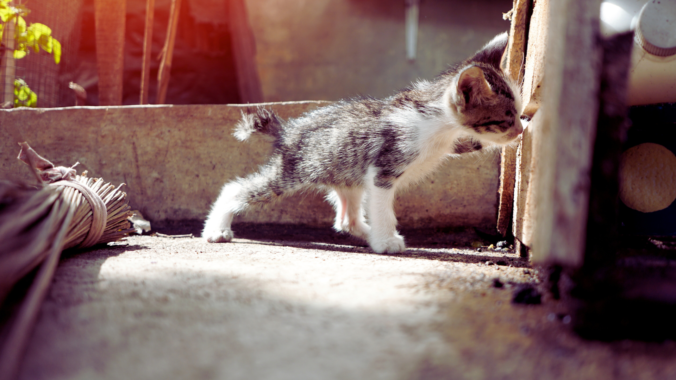
Cats are fascinating creatures with complex behaviours that often puzzle their owners. Understanding cat behaviour can improve the bond between a cat and its owner, leading to a harmonious home environment. From their playful antics to their more reserved moments, each action tells a story about their needs, feelings, and instincts.
Recognising the signs of happiness, stress, or anxiety in a cat is crucial. By observing body language, vocalisations, and daily routines, owners can gain insights into their pet’s emotional state. This knowledge empowers them to respond appropriately and enhance their cat’s well-being.
Many people may misinterpret their cat’s actions, leading to frustration or confusion. By learning the reasons behind behaviours such as purring, kneading, or scratching, they can foster a deeper understanding of their feline companions. This not only benefits the cat but also enriches the experience of having a pet.
Fundamentals of Feline Behaviour
Cats exhibit a range of behaviours driven by their natural instincts and needs. Understanding these behaviours provides insights into their actions and interactions with their environment.
Understanding Cats
Cats are complex creatures. Their behaviour is influenced by factors such as genetics, early socialisation, and environment. They are both solitary and social animals, displaying varied behaviours depending on their circumstances.
Key behaviours include:
- Grooming: This is not just for cleanliness; it’s a means of self-soothing and a way to strengthen social bonds with other cats.
- Hunting: Even indoor cats exhibit hunting behaviours, demonstrating their instinctual drive.
- Vocalisations: Cats communicate through sounds such as meowing, purring, and hissing to express needs and emotions.
Recognising these behaviours can lead to a deeper understanding of a cat’s mental state and well-being.
Territorial Tendencies
Territory is vital for a cat’s sense of security. In the wild, cats establish and defend territories to secure resources. Domestic cats retain this instinct, often marking their space through scent markings like rubbing or scratching.
Common behaviours include:
- Ejecting intruders: Cats may hiss or display aggressive postures to ward off perceived threats.
- Exploring boundaries: Cats often patrol their environment, ensuring that familiar sights and scents are intact.
The need to establish territory can lead to conflicts with other pets or wildlife, especially in multi-cat households. Understanding these tendencies aids in managing feline interactions.
Communicating with Your Feline Companion
Effective communication with a cat involves recognising their body language, understanding the significance of purring, and interpreting their scratching behaviour. Each aspect provides valuable insights into a cat’s mood and needs.
Decoding Body Language
A cat’s body language is a crucial part of communication. Signals can indicate various emotions, such as happiness, fear, or aggression. Tail positioning is particularly informative. A raised tail indicates a confident and happy feline, whereas a lowered or tucked tail often signifies submission or fear.
Ears also play a role; forward-facing ears show interest, while flattened ears suggest annoyance or fear. Eye contact should be approached with care; slow blinking can demonstrate trust, while dilated pupils might indicate excitement or aggression. By tuning into these signals, a person can better understand their cat’s feelings and needs.
The Significance of Purring
Purring is commonly associated with contentment, but it can have multiple meanings. While cats often purr when relaxed, they may also purr when in distress or in pain. This duality makes it essential to consider other body language cues.
A comforting environment can encourage purring as a self-soothing mechanism. In contrast, if a cat is purring but displaying signs of discomfort—like hiding or a tense body—it’s crucial to investigate further. Recognising the context of purring aids in providing appropriate care and attention.
The Art of Scratching
Scratching is a natural behaviour that serves multiple purposes. Cats scratch to maintain their claw health, mark territory, and stretch their muscles. Providing designated scratching posts is vital for redirecting this instinctive behaviour.
Understanding a cat’s preference can enhance their environment. Some cats favour vertical surfaces, while others prefer horizontal ones. If a cat is scratching furniture, it may seek to mark its territory or relieve stress. Providing alternative options is key to ensuring they feel secure and satisfied in their space.
Caring for Your Cat
Providing the right environment and recognising the importance of mental health are essential for a cat’s well-being. Addressing both environmental enrichment and behavioural health can greatly enhance a cat’s quality of life. Additionally, cat owners can consult specialists who can provide Expert cat health advice Dubai (or anywhere else) to manage nutrition, play, and routine health checks effectively.
Environmental Enrichment
Cats are naturally curious creatures with hunting instincts that need stimulation. Providing various forms of environmental enrichment can keep a cat mentally and physically stimulated.
- Toys: Use interactive toys that mimic prey, such as feather wands or laser pointers, to engage the cat’s hunting instincts. Rotate toys regularly to maintain interest.
- Climbing Structures: Cat trees and shelves allow cats to climb, explore, and survey their territory, which aligns with their natural behaviours.
- Safe Outdoor Access: If possible, create a secure outdoor space or use a leash and harness for supervised walks. This helps satisfy a cat’s curiosity and desire for exploration.
Behavioural Health
Recognising and addressing behavioural health is crucial in cat care. A cat’s mental state can significantly affect their behaviour and overall happiness.
- Routine: Establishing a consistent daily routine for feeding, playtime, and grooming can help reduce anxiety in cats.
- Social Interaction: Regular, positive interaction with humans and other pets fosters a sense of security and belonging.
- Litter Box Maintenance: Ensure the litter box is clean and accessible. Cats may avoid using a dirty box, leading to behaviour issues.
Meeting these needs helps cater to a cat’s instincts, promoting a healthier and happier life.
Leave a Reply