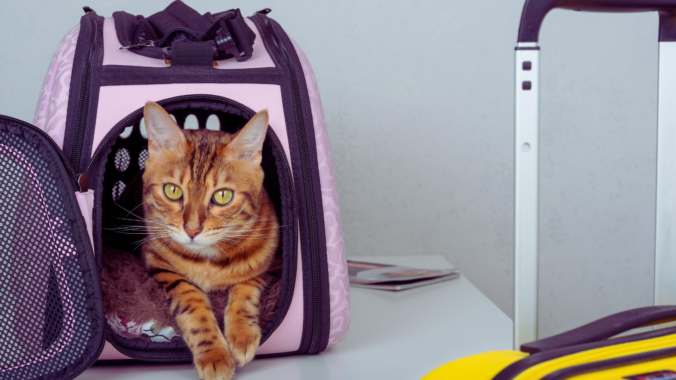
Travelling with pets can be a rewarding experience, but it requires careful planning to ensure a smooth journey. Understanding your pet’s needs and preparing accordingly can make travel enjoyable for both the owner and the animal. From choosing the right carrier to making necessary arrangements with accommodations, every detail counts.
Many pet owners often overlook the importance of familiarising their pets with travel routines ahead of time. This preparation can help minimise anxiety and make the transition less stressful. Equally, considering the weather and appropriate travel documentation can prevent complications along the way.
Whether it’s a short road trip or a long flight, adopting specific strategies can transform travel with pets into a hassle-free experience. By prioritising the well-being of the pet, they can enjoy the adventure just as much as their owner does.
Preparing for Pet Travel
Effective preparation is crucial for ensuring a smooth travel experience with pets. It involves selecting the right carrier, packing essential items, and taking health and safety precautions for the animal’s welfare.
Choosing the Right Pet Carrier
Selecting an appropriate pet carrier is essential for comfort and safety. The carrier should be well-ventilated and spacious enough for the pet to stand, turn around, and lie down comfortably.
Look for a carrier that meets airline regulations if travelling by air. Hard-sided carriers offer better protection, while soft-sided ones provide flexibility.
Consider features like a secure latch, a removable bottom for easy cleaning, and a sturdy handle for ease of transport. Comfort items, such as a familiar blanket or toy, can help ease anxiety during the journey.
What to Include in Your Pet Travel Kit
A well-prepared pet travel kit is vital for a successful trip. Key items include food and water, along with bowls that are spill-proof.
It is advisable to pack a sufficient supply of pet food for the duration of the trip, along with treats. Medications should be included, alongside instructions for administration.
A first aid kit specifically for pets, containing bandages, antiseptic wipes, and any necessary prescription medications, can be invaluable. Don’t forget to include a copy of vaccination records and any important identification for the pet.
Ensuring Your Pet’s Health and Safety
Maintaining health and safety during travel requires diligence. Scheduling a veterinary check-up prior to the trip is wise, particularly to address any specific health concerns.
Invalidating necessary vaccinations beforehand ensures that the pet is protected. It’s essential to confirm that medications are on hand for any travel-related anxieties or health conditions.
Keep the pet secured in the carrier during transit, with regular breaks for stretching and hydration. Monitoring the pet for signs of stress or discomfort can help in addressing issues promptly.
Accommodations and Destinations
Choosing the right place to stay and selecting suitable destinations are crucial for a smooth journey with pets. This section explores how to find pet-friendly accommodations and identify destinations that welcome furry companions.
Finding Pet-Friendly Accommodation
When searching for pet-friendly accommodation, it is essential to consider specific factors. Many hotels, lodges, and rental properties now accommodate pets. They often have policies regarding pet size, breed restrictions, and additional fees.
Some key tips include:
- Use specialised websites: Platforms like BringFido and Petswelcome focus on pet-friendly listings.
- Check reviews: Reading experiences from other pet owners can provide valuable insights.
- Contact establishments directly: To clarify policies and ask about amenities such as pet beds or bowls.
It’s beneficial to book in advance, especially during peak travel times, to ensure availability.
Researching Pet-Friendly Destinations
Not all destinations are created equal when travelling with pets. Identifying locations that embrace furry friends can enhance the overall experience.
Several factors to consider:
- Local laws: Know the regulations regarding pets in public spaces.
- Pet-friendly attractions: Look for parks, beaches, and trails that welcome pets.
- Accommodations: Ensure the area provides ample options for pet-friendly lodging.
Cities like Edinburgh and Brighton are known for their pet-friendliness, offering a range of activities suitable for pets. Always research potential destinations in advance to ensure that pets will enjoy the trip as much as their owners.
During the Journey
A successful journey with pets requires careful planning to ensure their comfort and security. Key considerations include providing familiar items and planning for necessary breaks.
Keeping Your Pet Comfortable and Secure
To keep pets calm during travel, it’s essential to create a comfortable environment. Utilise comfortable bedding in their carrier or travel space to provide a familiar resting area. Adding familiar toys can help alleviate anxiety and make them feel at ease.
Securing pets is crucial for safety. A pet seatbelt or a secure crate can prevent distractions while driving and protect the pet in case of sudden stops. Regularly check that the pet is comfortable and stable, adjusting bedding or toys as needed. Offering water every hour can keep them hydrated, ensuring they feel relaxed during the ride.
Planning for Rests and Bathroom Breaks
Planning for rest stops is essential for a smooth journey. Schedule breaks every 2-3 hours, especially on long trips. This allows dogs to stretch their legs and explore their surroundings, reducing restlessness.
Bathroom breaks are equally important. Bring along waste bags to ensure clean-up is easy. It’s beneficial to designate a specific area for bathroom breaks to establish a routine. For cats, consider bringing a portable litter box if travelling by car. This preparation ensures that both the pet and owner have a more pleasant travelling experience.
Special Considerations
When travelling with pets, certain factors must be addressed to ensure safety and compliance. This includes understanding the regulations surrounding service animals and their specific needs.
Accommodating Service Animals
Service animals play a crucial role in assisting individuals with disabilities. It is vital to note that only dogs qualify as service animals under UK law, and they must be trained to perform specific tasks.
Before travelling, it’s imperative to research and confirm that accommodations allow service animals. Many hotels and transport providers have specific policies.
Documentation may be helpful, so having proof of the animal’s training can facilitate smoother interactions. It’s also important for the pet owner to ensure their service animal is well-behaved and accustomed to travel environments. This preparation minimises potential disruptions during the journey.
Leave a Reply