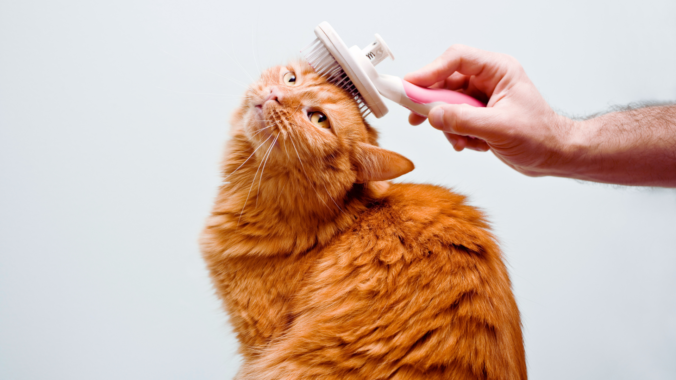
Grooming plays a crucial role in maintaining the health and well-being of cats. Understanding the dos and don’ts of cat grooming can help cat owners ensure their feline companions are comfortable and well-cared for. Regular grooming not only reduces shedding and prevents matting, but it also strengthens the bond between the cat and its owner.
For cat lovers, knowing the right techniques and tools is essential. Grooming should be a positive experience for the cat, which is why gentle handling and the use of appropriate equipment can make a significant difference. There are common mistakes that many owners make, which can lead to stress for both the cat and the person grooming.
Taking the time to learn about effective grooming practices can enhance the lives of cats and their owners alike. From selecting the right brush to understanding when to seek professional help, this guide will offer practical tips to ensure that grooming sessions are efficient and enjoyable.
Preparing for Cat Grooming
Preparing for cat grooming involves selecting appropriate tools and understanding the specific coat type of the cat. This ensures a more effective and less stressful grooming experience for both the cat and the owner.
Selecting the Right Grooming Tools
Choosing the right grooming tools is critical for maintaining a cat’s coat. Basic tools include:
- Slicker Brush: Excellent for removing loose fur and mats in long-haired cats.
- Bristle Brush: Ideal for short-haired cats to distribute natural oils and keep the coat shiny.
- Combs: For untangling knots and addressing specific areas such as behind the ears.
- Nail Clippers: Essential for keeping claws trimmed and preventing injury.
Regular grooming can help reduce shedding and hairballs. Additionally, having a grooming glove can make brushing more enjoyable for both the cat and the owner. It is important to choose tools that are comfortable for the cat’s coat and their personal grooming needs.
Understanding Your Cat’s Coat Type
Different cats have varying coat types that require specific grooming approaches.
- Short-Haired Cats: They generally need less grooming but benefit from weekly brushing to remove loose hair and debris. A bristle brush or rubber curry comb works well for them.
- Long-Haired Cats: These cats need more frequent grooming, ideally several times a week, to prevent mats and tangles. A slicker brush is effective for this task, while a wide-tooth comb can help with detangling.
It is crucial to pay attention to the cat’s coat condition. Special attention should be given during shedding seasons, as this is when grooming becomes particularly necessary. Regular grooming promotes a healthier coat and strengthens the bond between the cat and its owner.
Executing the Grooming Routine
Establishing a proper grooming routine is essential for maintaining a cat’s hygiene and comfort. This section outlines effective techniques for brushing, bathing, ear cleaning, and nail trimming.
Brushing Techniques
Brushing a cat aids in removing loose hair and preventing matting. It is vital to choose the right brush based on the cat’s coat type. For short-haired cats, a bristle or rubber brush typically suffices. For long-haired breeds, a wide-toothed comb can effectively tackle tangles.
Start by gently brushing in the direction of hair growth. This not only keeps the cat comfortable but also allows for the removal of dirt and debris. Focus on areas prone to matting, such as behind the ears and under the legs. Be attentive to the cat’s response; if it shows signs of discomfort, adjust the technique or take breaks.
Bathing Best Practices
While most cats groom themselves, occasional baths may be necessary. This is especially true for kittens or older cats that struggle with mobility. Use a cat-specific shampoo to avoid skin irritation. Fill the tub or sink with a few inches of lukewarm water and wet the cat thoroughly, avoiding the head.
Apply the shampoo gently, working it into a lather. Rinse thoroughly to prevent soap residue. After bathing, dry the cat with a towel, and consider using a hairdryer on a low setting, keeping it at a safe distance. It is essential to keep bathing sessions calm and brief to reduce stress.
Ear Cleaning Procedures
Regular ear cleaning helps prevent infections and the build-up of wax. Begin by visually inspecting the ears for redness, swelling, or discharge. If anything appears abnormal, consult a veterinarian before proceeding.
Use a vet-recommended ear cleaner on a cotton ball. Gently wipe the outer ear, being cautious not to insert anything into the ear canal. Only clean the visible parts, and avoid aggressive scrubbing. Regular checks and cleanings can ensure the cat’s ears remain healthy.
Nail Trimming Steps
Nail trimming is crucial for a cat’s well-being. Overgrown nails can lead to discomfort or injury. Invest in a quality pair of cat nail clippers for greater precision.
Begin by letting the cat become familiar with the clippers. The best method is to trim a few nails at a time to avoid overwhelming the cat. Hold the paw gently and press the pad to extend the nail. Identify the quick, which is the pink area containing blood vessels, and avoid cutting into this area. Trim just the tip of the nail. Reward the cat afterwards with a treat, reinforcing positive behaviour.
Addressing Grooming Challenges
Grooming cats presents unique challenges, particularly when issues like skin irritation, hair loss, and signs of redness arise. Understanding how to handle these situations is crucial for maintaining a cat’s health and comfort.
Dealing with Skin Irritation
Skin irritation in cats can result from various sources, such as allergies or improper grooming techniques. It is essential to identify potential allergens, which could include certain grooming products, fabrics, or even food.
To alleviate irritation, a gentle, hypoallergenic shampoo should be chosen. Regularly inspecting the cat’s skin during grooming helps catch issues early. If the irritation persists, a veterinarian should assess the situation, as some cases may require medicated treatments to soothe inflamed skin.
Managing Hair Loss
Hair loss in cats may occur due to stress, poor nutrition, or underlying health issues. Identifying the root cause is essential for effective management. Ensuring the cat’s diet is balanced and of high quality can help support healthy fur.
Regular grooming can minimise hair loss by removing loose fur before it falls out. If noticeable bald patches appear, consulting a veterinarian is advised. They may conduct tests to rule out conditions such as parasites or fungal infections that could contribute to hair loss.
Spotting Signs of Redness
Redness on a cat’s skin can indicate inflammation or irritation. Observing the cat during grooming helps spot these signs early. Areas most susceptible include the belly, underarms, and behind the ears.
Prompt attention to redness is important as it may lead to more serious issues if left untreated. If redness occurs, assessing grooming tools for suitability is vital. Soft brushes are recommended to avoid exacerbating the condition. If the redness persists, veterinary advice should be sought to determine the underlying cause and appropriate treatment.
Engaging Professional Services
When grooming a cat, there are situations that warrant professional assistance. Recognising these moments can ensure a cat receives the best care and grooming experience.
When to Consult a Professional Groomer
Consulting a professional groomer can be crucial in specific scenarios. If a cat has a long or dense coat, regular grooming may become too challenging for an owner. Professional groomers have the tools and expertise to effectively manage matting and tangling that can occur.
Cats that exhibit anxiety during grooming sessions may benefit from professional handling. Groomers use techniques with positive reinforcement to minimise stress, ensuring a more pleasant experience for the cat.
Cats with specific health issues, such as skin problems or mobility concerns, should also receive professional attention. A groomer can assess the cat’s condition and provide tailored grooming that respects its needs.
Leave a Reply