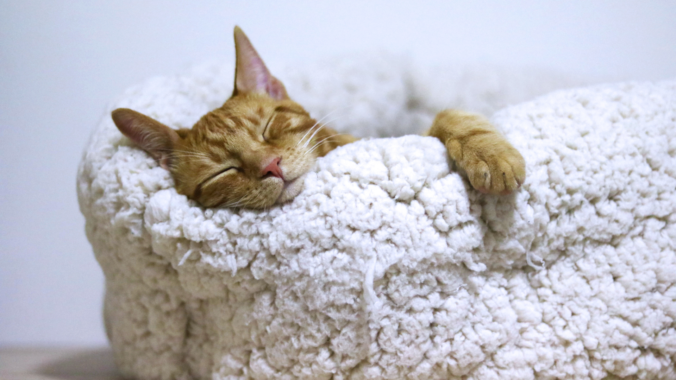
Bringing a cat into a home can be a joyful experience, but it also requires preparation to ensure a safe environment. To effectively cat-proof a home, it is essential to identify and eliminate potential hazards, secure valuable items, and create a safe space for feline exploration. Cats are curious creatures and can easily get into trouble if their surroundings are not properly managed.
The process of cat-proofing involves assessing various aspects of the home, including furniture, plants, and electrical cords. Taking simple steps, such as using cord clips and removing toxic plants, can significantly reduce risks. Additionally, providing engaging toys and climbing structures helps redirect a cat’s curiosity away from household dangers.
Ultimately, establishing a cat-friendly space not only protects the animal but also prevents damage to belongings. By thoughtfully considering the needs and behaviours of cats, owners can create a harmonious living environment that benefits both humans and pets alike.
Understanding Cat-Proofing Basics
Cat-proofing a home is essential for ensuring the safety and well-being of a feline companion. Identifying potential hazards and selecting safe toys and accessories are key elements in this process.
Identifying Common Household Hazards
Hazards can be found throughout a home. It is important to identify and eliminate risks to prevent accidents.
- Poisonous and Toxic Plants: Common plants like lilies, oleander, and philodendrons can be harmful to cats. Make sure to research any houseplant before bringing it home.
- Small Objects: Items such as buttons, coins, or rubber bands can pose choking hazards. Regularly clean floors and surfaces to reduce these risks.
- Electrical Cords: Cats may chew on cords, which can lead to severe injuries. Use cord protectors or tuck away cables to mitigate this danger.
- Chemicals and Cleaning Supplies: Store all toxic substances out of reach or in secured cabinets to prevent ingestion.
Beyond these common household risks, pet owners should also pay attention to hidden structural or maintenance-related issues that may affect a cat’s safety and overall living environment. For example, drainage problems around the home can create damp areas, unpleasant odors, leaks, or contaminated water that curious cats may investigate.
Therefore, if one notices signs of blocked or damaged pipes, promptly contacting professionals who specialize in drain services can help prevent the issue from becoming more severe. Additionally, while preparing to call an expert, homeowners may benefit from researching topics such as collapsed drain repair cost and related drainage concerns to better understand potential repair needs, expected expenses, and possible solutions before the inspection begins.
Choosing Safe Cat Toys and Accessories
Selecting appropriate toys and accessories is integral to cat-proofing. Safe options can keep a cat entertained and away from potential dangers.
- Toys: Choose cat toys without small parts that can be swallowed. Soft plush toys or safe, durable materials are recommended.
- Scratching Posts: Provide scratching posts made from natural materials. This can help prevent cats from scratching furniture and reduce the risk of injury.
- Interactive Toys: Puzzle toys that challenge a cat mentally are ideal. They can prevent boredom and keep cats engaged in safe activities.
- Avoid DIY Toys: Homemade toys can contain hazardous materials. Always opt for store-bought items that meet safety standards.
Taking the time to select safe toys and features can create a secure environment for any cat.
Securing the Home Interior
A well-secured home interior provides a safe environment for both pets and residents. By addressing specific hazards and implementing preventive measures, it is possible to minimise risks associated with curious cats.
Furniture and Appliance Safety Measures
Secure furniture to prevent tipping. A cat may choose to climb or jump, potentially causing unstable items to fall. Use anti-tip straps or brackets on tall bookshelves and cabinets to anchor them to the wall. This is particularly important in areas where a cat might leap or play.
It can also help to reduce the amount of freestanding furniture in high activity areas completely. Fewer unstable pieces mean fewer tripping risks. Items that are not regularly used, like spare shelving units, decorative cabinets, or bulky storage furniture, can be moved out temporarily or permanently to simplify the space. Working with a nearby reliable storage company to clear out non-essential furniture can be an option while they settle their cat into the home, freeing up space and reducing hazards at the same time.
In the kitchen, ensure appliances are safe as well. Keep the oven, dishwasher, and other appliances shut when not in use. It is advisable to install magnetic child locks on cabinets that store cleaning supplies, as well as on items that may pose a risk if accessed by a cat.
Managing Dangling Hazards
Dangling cords present a significant temptation for cats that love to play. Blind cords and electrical cords can be especially hazardous. Use cord protectors to neatly enclose cords and prevent chewing. Secure them along walls or behind furniture where they are less accessible.
In addition, consider using cord clips to keep cords off the floor and out of reach. This not only prevents chewing but also keeps the home looking tidy. Avoid leaving phone chargers and other small cables loosely lying around, as these are prime targets for curious pets.
Storage and Bins
Proper storage reduces the chance of cats accessing items that could be harmful. Use sealed bins for items such as plastic bags and cleaning supplies. Storing these in cupboards with secure locks contributes to a safer environment.
Choose bins with secure lids for items like cat toys and food. Ensure bins are not easily tipped over. This will not only keep clutter at bay but will also prevent cats from rummaging through potentially unsafe materials.
Creating a Cat-Friendly Living Space
Designing a living space that accommodates a cat involves specific considerations. Key areas include feeding and hygiene, lounging and climbing spaces, and the protection of delicate items.
Allocating Feeding and Hygiene Areas
Setting up dedicated zones for feeding and hygiene is essential. A quiet spot away from high-traffic areas is ideal for placing a food and water bowl. Ensure the bowls are stable and easy to clean.
The litter box should also be positioned in a private location. Regular cleaning is vital to prevent odours and to encourage use. It is advisable to use an unscented, clumping litter to keep the area tidy and comfortable for the cat.
Organising Lounge and Climbing Spots
A cat requires well-structured lounging and climbing options. Cat trees promote exercise and provide essential vertical space for climbing and perching. These should be placed near windows for an interesting view.
Scratching posts are equally important; they help in maintaining claw health. Position them in areas where the cat frequently spends time to encourage use. Providing a soft cat bed in a secure corner can offer comfort and a resting place.
Protecting Delicate Items and Surfaces
To safeguard fragile objects, it is crucial to evaluate the arrangement of items in the living space. Hide fragile objects on high shelves or in closed cabinets. Use display cases for items that must remain visible yet protected from curious paws.
Removable slipcovers can be useful for protecting furniture surfaces from scratches and fur. Opt for materials that are durable and easy to clean. This approach ensures a harmonious balance between accommodating the cat and maintaining a neat home environment.
Preventing Outdoor and Exit Hazards
Securing a home from external risks is crucial in ensuring a cat’s safety. Key measures include properly guarding windows and doors, as well as implementing strategies to deter unwanted behaviours.
Window and Door Guarding
To prevent a cat from escaping through windows or doors, consider installing sturdy screens. Pet-proof screens are available, designed to withstand scratching while being secure.
Secure locks on window and door systems ensure that they cannot be easily opened from the inside. It is advisable to check doors for gaps where a cat might slip through.
Using window restrictors allows windows to be opened only a few inches, providing ventilation without risking an escape. This method is particularly beneficial in homes where windows are frequently left ajar.
Deterring Unwanted Behaviour
Unwanted behaviours, such as attempting to escape, can be managed with various deterrents. Essential oils like citrus or lavender can be used strategically, as many cats dislike their scent. Place cotton balls soaked in these oils near entry points to discourage approaches.
Additionally, mothballs can be an effective repellent, although care should be taken as some cats might be sensitive to them. It is vital to use these products judiciously and ensure they don’t pose health risks to pets or humans.
Providing enriching indoor environments can also reduce the desire to explore outside. Toys, climbing trees, and interactive playtime will keep a cat occupied and safer at home.
Leave a Reply