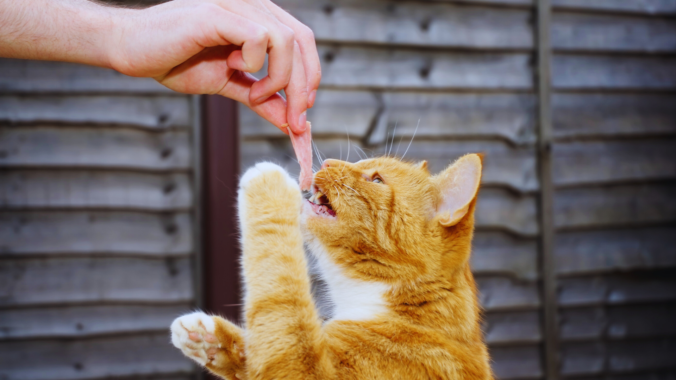
Imagine a typical day for a cat, filled with intriguing habits and quirky behaviours. A day in the life of a cat reveals a schedule centred around eating, sleeping, playing, and exploring their territory. From the moment they wake up, usually in a warm, sunlit spot, their routines blend instinct with delightful playfulness.
Cats exhibit a strong sense of time, often knowing when to demand breakfast or a cuddle. As they patrol their environment, they engage in activities that satisfy their curiosity and hunting instincts. Whether it’s pouncing on a toy or observing birds through the window, their playful nature is a significant part of their daily existence.
While cats might seem aloof, they also seek companionship and affection from their human counterparts. Understanding their daily life can enhance the bond between cats and their owners, fostering a deeper appreciation of these fascinating creatures.
Dawn Rituals and Early Morning Exploration
As the first light of dawn breaks, the world awakens to the soft movements of a cat. Those quiet moments are filled with rhythmic stretches and curious explorations, setting the pace for the day ahead.
Waking Up and Stretching
With the sun’s arrival, a cat’s natural instincts prompt it to stir from slumber. The process begins with subtle shifts in position, followed by a series of stretches.
Common stretching poses include:
- The Bow: Front legs stretch forward while the back arches.
- The Side Stretch: She leans to one side, extending her body.
- The Full Body Stretch: A comprehensive stretch that involves all four legs.
These movements not only limber the muscles but also signal readiness to explore. After several stretches, they often finish with a soft yawn, revealing those sharp teeth.
The Morning Patrol
After waking, a cat embarks on a thorough inspection of its domain. This morning patrol is a mix of exploration and observation, essential for understanding its territory.
She methodically moves from room to room, ensuring everything is as it should be. Key behaviours during this patrol include:
- Sniffing: She catches up on the night’s scents.
- Poking Around: Curiosity drives her to investigate small nooks and crannies.
- Observational Perch: Finding a high surface allows her to survey her kingdom.
Each step taken reinforces her familiarity with the environment and marks her presence within it.
Daily Grooming and Hygiene
Cats prioritise their hygiene through a structured daily routine. Grooming is essential for maintaining coat cleanliness and health, as well as ensuring paw and claw care.
Self-Cleaning and Coat Maintenance
Cats engage in self-grooming as a natural behaviour. They use their rough tongues to remove dirt, debris, and loose fur from their coats. This action not only keeps their fur clean but also helps distribute natural oils, promoting a shiny coat.
It’s important to note that some long-haired breeds may require additional grooming. Regular brushing mitigates matting and reduces shedding, which can benefit both the cat and the household. Cat owners should observe their pet’s grooming habits; any significant changes may indicate health issues, such as dental problems or skin conditions.
Paw and Claw Care
Paw and claw care is equally important in a cat’s daily hygiene. Cats routinely groom their paws, which helps them stay clean and prevents irritations. They may lick their paws after using the litter tray, ensuring their feet remain free from any waste.
Claw maintenance is crucial for indoor cats, as their claws can become overgrown. Providing scratching posts allows them to naturally wear down their claws. Regular assessments of claw length and health can help prevent issues, such as ingrown nails. If necessary, trimming claws can be a simple task that enhances a cat’s overall hygiene routine.
Afternoon Activities
Cats spend their afternoons engaged in a variety of stimulating activities. This time is often marked by playful hunting behaviour, social interactions with humans, and the quest for the ideal napping spot.
Hunting and Pouncing Practice
In the afternoon, a cat’s natural instincts for hunting often take centre stage. She may engage in pouncing on toys or any small, moving objects that catch her eye.
Common play items include
- Feather wands
- Laser pointers
- Ball toys
These activities not only mimic hunting behaviours but also provide essential mental and physical stimulation. Cats benefit from this practice as it helps hone their reflexes and improve coordination.
Socialising with Human Companions
Afternoons provide ample opportunities for companionship. She may seek out her human for a few moments of affection, often curling up next to them or following them around the house.
Interactions can include
- Gentle headbutts
- Purring softly
- Playful nudges
These behaviours reinforce the bond between cats and humans, providing social enrichment for both parties. Engaging in playtime or simply basking in the sun together enhances the afternoon experience and caters to her social needs.
Finding the Perfect Spot to Nap
As the afternoon light filters through the windows, cats embark on a quest for the ideal napping location. She may favour warm, sunny spots or places that offer a sense of security, such as under a bed or on a plush cushion.
Factors influencing her choice can include
- Temperature
- Comfort
- Quietness
This search is crucial for her well-being, as naps support a cat’s overall health and rejuvenation. The right environment helps her recharge before more active evening pursuits.
Evening Behaviour and Night-Time Excursions
As the sun sets, a cat’s instincts shift from relaxation to heightened alertness. The twilight hours mark a change in behaviour characterised by vigilance and exploration.
Twilight Vigilance
During the early evening, a cat often takes a position near a window or elevated perch. This vantage point allows her to observe her surroundings while maintaining a level of security.
Key behaviours include:
- Watching wildlife: Cats are naturally drawn to movements outside, from birds to rustling leaves.
- Listening intently: Their acute hearing helps them detect sounds that humans might overlook.
This phase is critical for a cat to gauge potential threats or prey. The combination of keen eyesight in low light and heightened senses prepares her for the night ahead.
Nocturnal Exploration and Territory Patrol
As darkness envelops, a cat’s adventurous spirit comes to life. She often embarks on excursions around her territory, an instinct inherited from her ancestors.
Typical behaviours involve:
- Marking territory: Cats may rub against objects or scratch to leave their scent, asserting dominance.
- Prowling quietly: With stealthy movements, she explores nooks and crannies that may house small creatures.
These night-time activities are essential for physical stimulation and mental engagement. Cats are wired to explore, thus satisfying their natural curiosity and instinct to hunt, even if domesticated. The night becomes an avenue for both adventure and exercise, reinforcing their predatory nature.
Leave a Reply