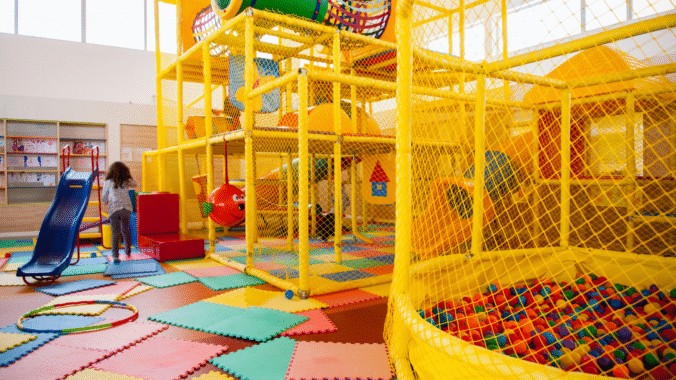
Creating the perfect indoor playground for cats enhances their physical and mental well-being while keeping them entertained. A well-designed space incorporates climbing structures, interactive toys, and safe zones to provide stimulation and comfort. This not only satisfies a cat’s instincts but also reduces boredom and unwanted behaviours.
An ideal setup includes vertical spaces like shelves or cat trees that allow for climbing and exploring. Additionally, incorporating scratching posts, tunnels, and engaging toys encourages active play. Ensuring the area is cat-friendly and safe is crucial for a successful indoor playground.
By paying attention to a cat’s preferences and behaviours, owners can curate a personalised environment that enriches their feline friends’ lives. This thoughtful approach leads to happier, healthier cats who thrive in their indoor habitats.
Planning the Ideal Indoor Playground
Creating an engaging indoor playground for cats involves careful consideration of space, materials, and location. The following subtopics focus on assessing the available area, selecting appropriate materials, and determining the best location for the playground.
Assessing Space and Layout
Before implementing an indoor playground, it’s essential to assess the available space. Measure the dimensions of the room where the playground will be set up, taking into account any furniture or obstacles.
Design a layout that maximises playability. Areas for climbing, scratching, and resting should be distinct yet accessible. Consider using vertical space, such as shelves or wall-mounted platforms, to allow indoor cats to explore and climb.
A well-designed layout incorporates various zones, such as a play area with toys and a quiet nook for relaxation. This variety caters to different behaviours, ensuring the indoor cat remains stimulated.
Selecting Safe and Engaging Materials
Selecting the right materials is crucial for safety and engagement. Use non-toxic, durable materials for structures and toys, like sisal for scratching posts and carpet for climbing areas.
Incorporate a mix of textures and colours to stimulate the cat’s senses. Items such as tunnels, balls, and feather wands can encourage active play.
Ensure that any fixtures are sturdy and securely mounted to prevent accidents. Remove any hazardous items, such as small parts that could be swallowed or sharp edges, to create a safe environment for indoor cats.
Choosing the Right Location
The location of the playground significantly impacts its usage. A well-lit area is ideal, as cats need natural light. Place the playground near windows to provide views of the outdoors, which can keep cats entertained.
Avoid high-traffic areas that may disturb the cat’s playtime. Respect the need for privacy by situating the playground in a quieter corner of the house.
Consider the ambient temperature and accessibility. Indoor cats may prefer spaces that are temperature-controlled and easy to navigate. A comfortable environment encourages regular engagement with the playground.
Building Core Structures for Play
Creating core structures for an indoor playground enhances feline engagement and activity. Focused on cat trees, scratching posts, and tunnels, these elements provide essential pathways for exercise and exploration.
Incorporating Cat Trees and Towers
Cat trees and towers serve as multifunctional play areas. They offer vertical space, which is vital for a cat’s natural climbing instincts. A well-designed cat tree should include multiple levels, enabling cats to leap and survey their territory.
When selecting a cat tree, consider the material. A sturdy base and durable fabrics are ideal to withstand playful antics. Incorporating platforms and ramps can facilitate access to different heights, catering to the abilities of various cats. For added interest, include interactive features like dangling toys or sisal-wrapped areas for scratching.
Adding Scratching Posts and Shelves
Scratching posts are essential for satisfying a cat’s instinct to scratch. They help maintain claw health and deter destructive behaviours on furniture. Including various types and heights of scratching posts provides options that cater to personal preference.
Positioning scratching posts near play areas maximises their use. Combine vertical posts with horizontal surfaces to cover different scratching styles. Furthermore, installing shelves can enhance the playground’s levels, offering cats a place to perch and observe. Shelves should be securely mounted, ensuring safety while allowing cats to explore.
Designing Tunnels and Hideaways
Tunnels provide an exciting element for cats to explore, promoting exercise and mental stimulation. They can be made from soft materials or hard structures, depending on the desired aesthetic and durability.
When designing tunnels, ensure they have varying lengths and widths to spark curiosity. Some tunnels can include openings for a multi-dimensional feel. Hideaways, such as covered boxes or enclosed spaces in the playground, offer retreat options for shy or resting cats. These spaces can help cats feel secure while still being part of the playful environment.
Enhancing Enrichment and Activities
Creating an engaging indoor playground for cats involves integrating various elements that promote mental stimulation and physical activity. This section explores how to use interactive toys, puzzle feeders, and other sensory components to create a stimulating environment.
Integrating Interactive Toys and Puzzle Feeders
Interactive toys play a crucial role in keeping cats entertained and mentally engaged. Examples include feather wands, laser pointers, and battery-operated toys that mimic prey movements. These toys encourage cats to engage in natural hunting behaviours, providing a valuable outlet for their instincts.
Puzzle feeders are another excellent addition. They challenge cats to work for their food, promoting both mental alertness and physical activity. Selecting puzzle feeders that require different techniques, such as spinning, sliding, or flipping, can also keep cats interested. Regular rotation of these toys will prevent monotony and maintain a high level of engagement.
Offering Mental Stimulation and Cat Activities
Incorporating various activities into the cat’s daily routine is essential. Engaging in play sessions with toys allows cats to exercise their instincts and burn off excess energy. Scheduling at least two short play sessions a day can significantly improve a cat’s overall mood.
Additionally, providing scratching posts and climbing structures can enhance the indoor environment. Cats naturally enjoy climbing and scratching, so including vertical elements will give them a sense of territory. Creating an obstacle course using items like cardboard boxes and tunnels can also stimulate their curiosity and encourage exploration.
Introducing Cat Grass and Sensory Elements
Introducing cat grass can enhance the indoor experience by providing sensory stimulation. Cats generally enjoy the texture and taste of cat grass, which can aid their digestive health. It is a natural, safe alternative to regular household plants that may be harmful.
Incorporating other sensory elements, such as soft bedding and varied textures, can further create an inviting space. Additionally, utilising pheromone diffusers may help create a calming atmosphere. Providing a variety of stimuli helps satisfy the cat’s instincts, ultimately leading to a happier, healthier indoor environment.
Providing Safe Outdoor Experiences Indoors
Creating an environment that mimics outdoor experiences can greatly enhance a cat’s quality of life. Incorporating specific features helps fulfil their instincts while keeping them safe indoors.
Implementing a Catio or Outdoor-Inspired Features
A catio provides a secure way for cats to enjoy the outdoors without the risks associated with roaming free. These enclosed spaces can be attached to windows or doors, allowing for safe access to fresh air and sunshine.
- Size and Design: Catios vary in size. They can be small window boxes or large walk-in structures. Choosing a design that fits the available space is essential.
- Materials: Use sturdy materials such as wood or metal with secure mesh to prevent escapes. Ensure the structure is well-ventilated and protected from harsh weather.
- Access Points: Include ramps, shelves, and tunnels for adventurous climbing and exploration. Plants safe for cats can enhance the natural feel.
Exploring Cat TV and Entertainment
Cat TV provides visual stimulation for indoor cats. This can help replicate the excitement of outdoor experiences without exposure to potential dangers.
- Content Types: Look for videos featuring birds, fish, or small mammals that cater to their hunting instincts. Many platforms offer dedicated channels for cats
- Environment Setup: Position a comfortable perch near the screen. This allows the cat to watch actively, simulating stalking behaviour.
- Interactive Elements: Consider products like laser pointers or feather wands that mimic hunting and allow for playtime enjoyment. Regularly rotating toys keeps the experience fresh.
These indoor features create a safe yet engaging environment, fulfilling a cat’s desire for outdoor experiences while prioritising their security.
Leave a Reply