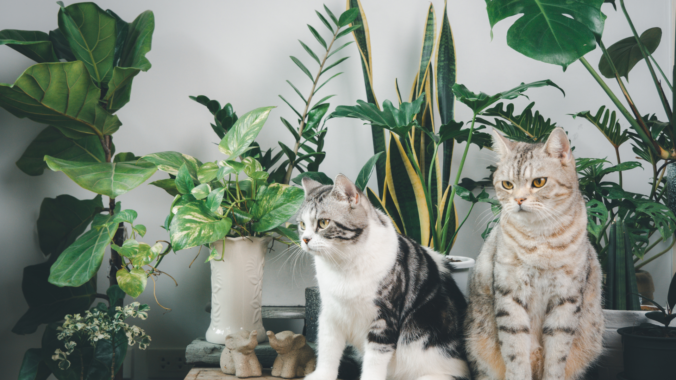
Indoor plants can be a delightful addition to a home, offering not just aesthetic value but also health benefits for both humans and their pets. Certain indoor plants can provide enrichment and stimulation for cats, promoting their well-being and keeping them engaged. Many cat owners may find that incorporating plants into their living spaces enhances their pets’ quality of life.
In addition to mental stimulation, some indoor plants can contribute to a healthier environment. They improve air quality by filtering toxins and releasing oxygen, which benefits both cats and their humans. Keeping indoor plants safe and pet-friendly ensures that felines can explore their natural curiosity without harm.
Understanding which plants are safe for cats is essential for responsible pet ownership. By selecting non-toxic varieties, pet owners can create a vibrant indoor landscape that nurtures their feline friends while adding beauty to their homes.
The Role of Houseplants in a Cat-Friendly Environment
Incorporating houseplants into a home can enhance both indoor air quality and create a cat-friendly atmosphere. It is essential to choose the right plants that contribute positively to the environment while ensuring safety for feline companions.
Indoor Air Quality and Plant Benefits
Houseplants play a significant role in improving indoor air quality. They can absorb carbon dioxide and release oxygen, creating a healthier atmosphere. Certain plants are known for their ability to filter harmful toxins from the air, such as formaldehyde and benzene.
Popular choices for indoor gardening include peace lilies, spider plants, and areca palms. These plants not only beautify the space but also contribute to cleaner air. With proper care, they thrive indoors, promoting a vibrant living environment for both humans and cats.
Non-Toxic Plant Selection for Cats
Choosing non-toxic plants ensures that feline friends remain safe from harmful substances. Some common cat-friendly houseplants include cat grass, bamboo palm, and parlour palm. These options are not only safe for cats but also encourage positive interactions.
When selecting houseplants, it is crucial to research their toxicity. A variety of resources are available, including the ASPCA’s database of plants toxic and non-toxic to cats. By opting for safe choices, pet owners can enjoy indoor gardening while creating a safe sanctuary for their pets.
Selecting Safe Plants for Feline Friends
Choosing the right indoor plants is essential for ensuring a safe environment for cats. Many plants enhance home aesthetics while being non-toxic to feline companions. Understanding which plants are safe and which to avoid is critical for pet owners.
Recognising Cat-Safe Plants
Identifying cat-safe plants involves researching plant types known to be non-toxic. Good options include catnip and cat grass, which are not only safe but also appealing to cats. Spider plants and Boston ferns are also recognised for their safety.
The Areca palm and bamboo palm are excellent choices for adding greenery without risk. The cast iron plant thrives in various conditions and poses no harm to cats. Owners should confirm any prospective indoor plant by referring to reliable sources or databases listing non-toxic species.
Plants to Avoid Due to Toxicity
While many plants are safe, some common varieties are toxic to cats. Plants like lilies, pothos, and sago palms can lead to severe health issues, including vomiting and organ failure. The Christmas cactus is often mistakenly believed to be safe but can still cause mild gastrointestinal discomfort.
It’s essential to educate oneself about plant toxicity. Always operate on the side of caution by keeping potentially harmful plants out of reach. When introducing new plants, consider contacting a veterinarian for guidance on plant safety concerning specific breeds or individual cats.
Cat-Friendly Flowers and Plants
Several flowering plants are also safe for cats, such as African violets and bamboo palms. Baby’s Tears is another option that adds a unique aesthetic while remaining non-toxic.
For those looking to outdoors, cat-friendly outdoor plants like lavender and roses are excellent additions that can also attract beneficial insects. Having indoor plants like ferns and cat-friendly flowers enriches the home environment without endangering feline friends. Emphasising the selection of safe varieties ensures a healthy indoor space for both cats and humans.
Health Benefits of Indoor Plants for Cats
Indoor plants can provide numerous health benefits for cats, enhancing their well-being and offering opportunities for stimulation. Certain plants not only create a healthier indoor environment but also engage cats in interactive activities that can be beneficial for their physical and mental health.
Enhancing Cat Wellbeing with Plant Interaction
Interaction with indoor plants can greatly improve a cat’s emotional and physical well-being. Plants such as parlour palms, haworthia, and money trees create a calming atmosphere while providing visual stimulation. The process of exploring these plants can reduce stress and boredom, acting as a natural enrichment tool.
Safe plants like African violets and peperomia encourage play and exploration. Cats often enjoy the textures and movements of plants, which can lead to natural behaviours such as climbing and pouncing. Ensuring that the chosen plants are non-toxic promotes a safe environment for them to engage without the risk of ingestion.
Stimulating Activities Through Safe Plants
Incorporating safe, interactive plants into the home creates opportunities for physical activity. The venus fly trap and mosaic plant can pique a cat’s curiosity, encouraging playful interaction. This can inspire movement and exercise, essential for maintaining a healthy weight.
Hanging plants, like the friendship plant and prayer plant, provide vertical spaces for climbing and lounging. The varied textures of plants such as zebra plants and echeveria offer tactile engagement. Through these activities, cats can expend energy and enhance their mental stimulation, as they explore and interact with their environment effectively.
Caring for Cat-Friendly Plants
Caring for plants that are safe for cats involves understanding their needs and ensuring they thrive in a home environment. Choosing appropriate plants and maintaining them while considering feline behaviour is essential for pet owners.
Essential Plant Care Tips
When caring for cat-friendly plants, proper light exposure is crucial. Most cat-safe plants, like peppermint and marigolds, prefer bright, indirect sunlight. Ensure that these plants are placed in areas where they can absorb sufficient light without being in direct sun, which might cause leaf scorch.
Water the plants according to their specific needs. Banana trees and Paddy’s wig thrive in moist soil, while others, like gloxinia, prefer to dry out between waterings. It’s essential to check the soil moisture regularly.
Fertilise using organic options suitable for houseplants. Consider products derived from seaweed for their natural nutrients. Watching for pests is also important; most cat-friendly plants can attract insects. Using natural pest deterrents will keep both plants and pets safe.
Leave a Reply