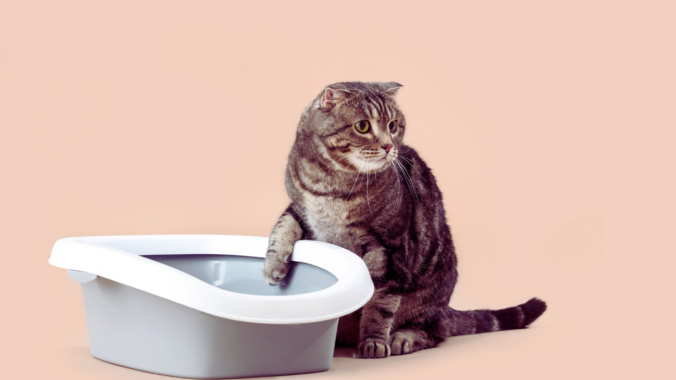
Selecting the right cat litter can significantly enhance both a cat’s comfort and a person’s home environment. The best litter will absorb odours effectively, clump for easy cleaning, and be safe for pets and humans alike. With numerous options available, from clumping clay to natural alternatives, it’s essential to consider the needs of the cat and the preferences of the owner.
Different cats have distinct habits and sensitivities, making the choice of litter a personal one. Opinions on texture, scent, and dust levels vary greatly, which can impact a cat’s willingness to use the litter box. Understanding common materials and their characteristics can help in making an informed decision that suits both the pet and its owner.
Exploring the right litter can also create a more harmonious living space, where the cat feels secure and the owner enjoys a clean home. By taking the time to evaluate various types, a suitable match can be found that meets all necessary criteria, ensuring satisfaction for everyone involved.
Understanding Cat Litter Basics
Selecting the appropriate cat litter is crucial for both feline comfort and cleanliness. This section explores various types of litter and the difference between clumping and non-clumping options to aid in making an informed choice.
Types of Litter
There are several types of cat litter available, each with unique characteristics. Clay litter, often made from sodium bentonite, absorbs moisture effectively and controls odours. It is the most common type and is generally within a reasonable price range.
Silica gel is another option, made from tiny crystals that absorb moisture and trap odours. It tends to last longer than clay litter and requires less frequent changing, making it a convenient choice.
Pine pellets are a natural alternative, made from compressed sawdust. They offer good absorption and have a pleasant scent but may require more frequent changing than clay options.
Crystal litter, primarily made from synthetic materials, absorbs moisture and reduces odour. Its lightweight nature makes it easy to handle but can be more expensive than traditional clay litter.
Clumping vs Non-Clumping Litter
Clumping litter forms solid clumps when it comes into contact with moisture, making it easier to scoop out waste. This type is popular among cat owners, as it simplifies the cleaning process. Clumping litter usually comes in clay or crystal forms, providing flexibility in selection.
In contrast, non-clumping litter absorbs liquid but does not form solid masses. It generally requires more frequent complete changes as waste can spread throughout the litter box. Though often made from natural materials like corn or paper, non-clumping options can be less effective at odour control compared to clumping varieties.
Choosing between these types largely depends on personal preference, cat behaviour, and budget considerations. Each option has its merits, and finding the right fit can enhance both owner satisfaction and feline comfort.
Key Considerations for Litter Selection
Choosing the right litter involves evaluating several important factors. Specifically, it’s essential to consider odour control, the impact of litter on tracking and dust, and various health and safety aspects.
Odour Control Measures
Effective odour control is vital for maintaining a pleasant environment. Cat litter should be capable of absorbing moisture and neutralising smells.
Many litters are engineered with special formulas or additives that specifically target odours. For instance, clumping litter made from bentonite clay can encapsulate waste, preventing odour from spreading.
Additionally, some litters use natural ingredients like baking soda or activated charcoal, which can enhance odour absorption. Owners should also consider the frequency of changing the litter, as older litter can quickly lose its effectiveness and lead to unpleasant smells.
Managing Tracking and Dust
Trackability and dust generation are critical aspects of litter selection. Some litters tend to stick to paws, leading to scattered litter around the home.
Low-dust litter are preferable as it minimises mess and reduces respiratory problems. Brands designed to be dust-free often use materials that create less particulate matter.
When evaluating litter types, consider the size of the granules. Larger granules may track less than finer ones, making them easier to manage. Using a high-sided litter box can also help contain tracking.
Health and Safety Factors
Health impacts should never be overlooked. Litter that produces excessive dust can contribute to respiratory issues, particularly for those with allergies or asthma. Choosing a litter marketed as “low-dust” can significantly reduce these risks.
Furthermore, consider the materials used in the litter. Natural litters, often made from reclaimed wood, paper, or corn, are generally safer for both pets and humans.
It’s important to avoid litter with harsh chemicals, as these can pose additional health risks. Always review product labels for any potential allergens or toxic substances that could affect pets’ health.
Practical Tips and Best Practices
Finding the right cat litter involves practical strategies and maintenance routines to ensure optimal performance and cleanliness. Implementing the right methods can enhance the litter experience for both the cat and the owner.
The Trial and Error Method
Choosing the best cat litter often requires the trial and error method. Different cats have varied preferences, so testing a few types may be necessary.
Consider the following types:
- Clumping Clay: Easy to scoop and offers good moisture absorption.
- Biodegradable: Made from natural materials, these can be a sustainable option.
- Crystal Litter: Low dust and good odour control but can be less absorbent.
Owners should pay attention to their cat’s behaviour during trials. If the cat hesitates to use the litter box, it may indicate a dislike for the type chosen. Frequent changes and proper observation can guide owners towards the best option.
Maintenance and Hygiene
Regular maintenance is crucial for litter box hygiene. It’s recommended to scoop the litter at least once a day to remove clumps and waste.
Follow these best practices:
- Change Litter Weekly: Replace the litter entirely every week for cleanliness.
- Wash the Box: Clean the litter box with mild soap and water during each full charge.
- Surface Type: Consider using a box with higher sides to contain litter scatter.
Prioritising moisture absorption helps control odours and keeps the litter dry. A well-maintained litter box encourages consistent use and contributes to the cat’s overall health.
Litter Solutions for Special Situations
Different situations may necessitate specific litter choices to ensure comfort and cleanliness. Tailoring litter options can enhance the litter box experience for both pets and their owners.
Litters for Multi-Cat Households
Multi-cat households present unique challenges, primarily around odour control and clumping ability. Clumping litters are particularly effective in these environments, as they allow for easy removal of waste. Products made from natural materials, such as clay or corn, often provide excellent odour control while being gentle on paws.
Consider litters that are not biodegradable if durability and performance are priorities. These tend to last longer and perform well under heavy use. Owners should also ensure sufficient litter boxes are available, ideally one per cat plus one extra, to reduce territorial disputes and ensure each cat has access to a clean space.
Eco-Friendly and Natural Alternatives
Eco-friendly litters offer sustainable options that cater to environmental concerns. These alternatives often utilise natural materials like recycled paper, wood pellets, or corn. They are typically biodegradable and have a lower environmental impact, making them appealing to conscientious pet owners.
While many eco-friendly options provide decent clumping ability, it’s essential to evaluate their odour control effectiveness. Some natural litters might not match traditional clays in performance but can still be suitable for less active households. When selecting an eco-friendly litter, consider product reviews and specific features to find the right balance between sustainability and functionality.
Leave a Reply