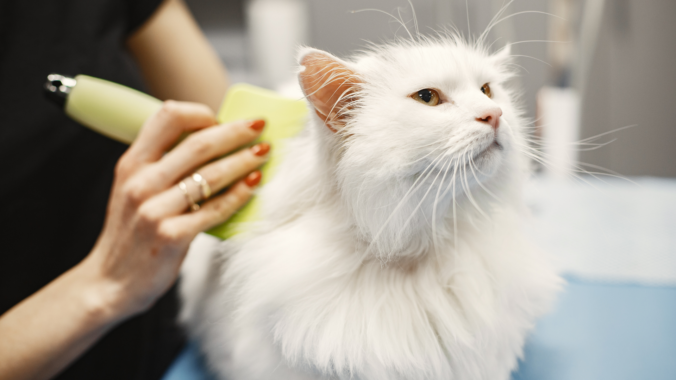
Long-haired cats require special attention when it comes to grooming. The right tools and techniques can significantly reduce matting and tangles, ensuring that your feline friend remains comfortable and healthy. Regular grooming not only helps maintain the coat’s condition but also strengthens the bond between the cat and its owner.
Essential grooming items include a high-quality slicker brush, a wide-toothed comb, and grooming scissors. These tools can help manage thick fur and prevent the discomfort associated with matting. Additionally, introducing grooming sessions early can acclimatise the cat to the process, making it easier for both the cat and the owner.
Beyond brushing, other grooming essentials include regular nail trimming and ear cleaning. These practices contribute to the overall well-being of long-haired cats, promoting a happy and healthy life. With the right approach, maintaining a long-haired cat’s appearance becomes an enjoyable routine rather than a chore.
Understanding Your Long-Haired Cat’s Grooming Needs
Long-haired cats require specific grooming routines to maintain their coat health and prevent issues such as matting and tangles. Regular grooming not only keeps their fur looking pristine but also promotes overall well-being.
The Importance of Regular Grooming Sessions
Regular grooming sessions play a crucial role in managing a long-haired cat’s coat. It helps to remove loose hair and reduces the likelihood of hairballs. Hairballs can cause discomfort and gastrointestinal issues if not managed properly.
Aim to groom long-haired cats at least two to three times a week. This frequency helps to minimise matting and tangling, which can cause skin irritation. Cats often appreciate the bonding time that grooming provides, enhancing their comfort and trust in their owner.
Recognising Signs of Matting and Tangles
Matting and tangles can develop quickly in long-haired cats, often going unnoticed until they become problematic. It is essential to inspect the coat regularly for any signs of matting, particularly in areas such as the armpits, behind the ears, and around the tail.
Matting can lead to skin infections and discomfort for the cat. Tangles may also pull on the cat’s skin, causing pain. Owners should look for clumps of hair that feel tight or stiff; these indicate areas that require immediate attention.
Choosing the Right Grooming Tools
Selecting the appropriate grooming tools is vital for effective grooming. Some essential tools include:
- Slicker Brushes: Ideal for removing loose fur and preventing matting.
- Metal Combs: Effective for detangling and smoothing the coat.
- Clippers: Useful for trimming areas where mats have become severe.
- Mat Splitters: Specifically designed to alleviate stubborn mats without pulling the fur.
- Grooming Scissors: Perfect for shaping and removing less severe tangles.
Using the right tools can make grooming a more pleasant experience for the cat and the owner. Regularly cleaning and maintaining these tools will also enhance their effectiveness during grooming sessions.
The Essential Grooming Toolkit
Having the right tools for grooming a long-haired cat is crucial for maintaining their coat health and overall well-being. The toolkit should include brushes, trimming tools, and additional aids to manage their specific grooming needs effectively.
Brushes and Combs for Long-Haired Cats
A slicker brush is essential for long-haired cats, as it removes loose hair and undercoat while preventing matting. The fine, bent wires easily glide through thick fur, making it perfect for daily brushing. A metal comb is also important; it helps to detangle any knots and smooth the coat.
Brushing Technique: Start by using the slicker brush, beginning at the back and moving forward in the direction of hair growth. Follow up with the metal comb to catch any remaining tangles. Regular brushing not only keeps the coat healthy but also stimulates the skin’s natural oils.
Trimming Tools: Clippers and Scissors
Clippers and grooming scissors play a vital role in maintaining a long-haired cat’s coat. Cat nail clippers are necessary for keeping claws properly trimmed and preventing injury. It’s recommended to trim nails every 2-4 weeks.
Grooming scissors can be used for trimming any areas that may become matted or tangled. A mat splitter is an effective tool for gently removing mats without damaging the fur. Shear the mats carefully, ensuring to avoid any skin injuries.
Additional Aids: Gloves and Natural Products
Grooming gloves are a fantastic addition to the toolkit. They allow for a gentle grooming experience while allowing the owner to bond with the cat. They also help to collect loose hair effectively.
Incorporating natural grooming products can aid in maintaining coat health. Many cat owners opt for natural shampoos and conditioners designed for sensitive feline skin. Natural oils can also be used to reduce static and improve coat shine, promoting a healthier appearance and preventing irritation.
Establishing a Grooming Routine
A structured grooming routine is essential for maintaining the coat and health of a long-haired cat. This section explores how to create a comfortable grooming environment, develop a consistent grooming schedule, and when to consider professional grooming services.
Creating a Comfortable Grooming Environment
A positive atmosphere enhances the grooming experience for both the cat and the groomer. Select a quiet, well-lit area where the cat feels secure. It can be beneficial to have all grooming tools readily accessible.
Use a soft blanket or grooming mat to provide comfort. Introducing familiar scents or toys can also reduce anxiety. Implementing positive reinforcement during grooming sessions encourages good behaviour, so keep treats nearby to reward the cat for cooperation. This strategy makes the grooming process more enjoyable and helps develop trust.
Developing a Consistent Grooming Schedule
Consistency is key to keeping a long-haired cat’s coat healthy. Regular grooming sessions tailored to the cat’s needs should be established. Daily brushing can be ideal for preventing tangles and mats, especially in dense fur.
For cats less prone to matting, a few times a week may suffice. Establish a set time for grooming to create a routine. Owners should observe their cat’s behaviour to adapt the schedule as needed, gradually increasing the time spent if the cat becomes accustomed to the process.
Professional Grooming: When to Seek Assistance
Sometimes, a professional groomer is the best option for long-haired cats, particularly if owners face challenges with tangles or mats. Professional groomers possess the skills and tools necessary for more complicated grooming needs.
Consider mobile grooming services for convenience, bringing professional care directly to your home. Cat grooming salons can provide specialised options, ensuring that the cat receives proper handling and care. Observe your cat’s coat condition and behaviour; if grooming becomes stressful or yields unsatisfactory results, seeking professional assistance can be beneficial.
Do-It-Yourself Grooming Techniques
Grooming a long-haired cat at home can be a rewarding experience. A consistent routine helps maintain their coat and well-being. This section highlights effective methods for brushing, nail trimming, and bathing.
Mastering the Art of Brushing
Brushing is crucial for long-haired cats to prevent matting and reduce shedding. Using a cat brush specifically designed for their fur type will make the task easier and more effective.
- Choose the Right Brush: Opt for a wide-toothed comb or a slicker brush to remove tangles and loose hair. A bristle brush can help distribute natural oils in the coat.
- Technique: Start at the head and work towards the tail, brushing in the direction of hair growth. Be gentle, especially in sensitive areas like the belly and underarms.
- Frequency: Establish a grooming routine of 2-3 times a week. This not only keeps the coat healthy but also strengthens the bond between the cat and the owner.
Safe Nail Trimming Practices
Routine nail trimming is essential for a long-haired cat’s health. Keeping nails short prevents injury and damage to furniture.
- Tools Needed: Use cat-specific nail clippers for precision. Opt for either scissors-style or guillotine-style clippers, depending on the owner’s comfort.
- Technique: Hold the cat’s paw firmly yet gently. Identify the quick, pink area inside the nail, and avoid cutting into it. Trim just the tip of the nail for safety.
- Frequency: Trim nails every 2-4 weeks, depending on the cat’s activity level. Regular trimming makes the process easier over time, as the cat becomes familiar with the routine.
Bathing Your Cat with Cat-Specific Shampoo
Bathing a long-haired cat can be challenging but is sometimes necessary for hygiene. A proper approach can make the experience smoother.
- Choose the Right Shampoo: Use a cat-specific shampoo that is gentle and formulated for their skin type. Human shampoos may cause irritation.
- Preparation: Select a suitable bathing area. Using a non-slip surface helps the cat feel secure. Gather towels, a sponge, and shampoo beforehand.
- Bathing Process: Wet the cat’s coat using lukewarm water, avoiding the face. Lather the shampoo thoroughly and rinse well, ensuring no residue is left.
- Drying: After bathing, gently towel dry the cat. Some might tolerate a low-heat blow dryer, but ensure it is at a safe distance to avoid overheating.
Implementing these do-it-yourself grooming techniques will contribute significantly to the health and appearance of long-haired cats.
Leave a Reply