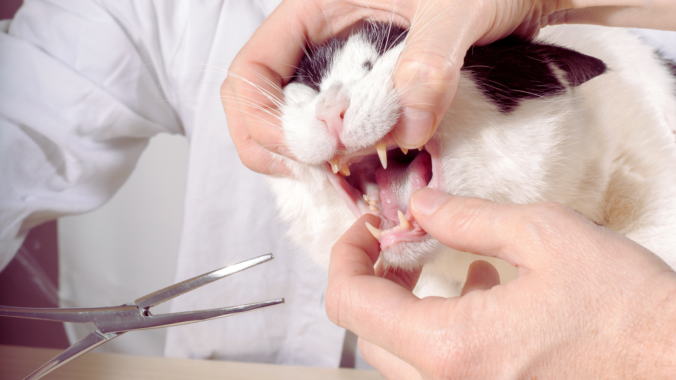
Holistic care for cats combines traditional veterinary practices with complementary therapies, focusing on the overall well-being of the feline. This approach not only addresses physical health but also considers emotional and environmental factors, leading to a happier, healthier cat. Cat owners are increasingly recognising the benefits of this comprehensive strategy, which can enhance their pets’ quality of life.
Incorporating holistic methods can include a range of practices, such as proper nutrition, regular exercise, and alternative therapies like acupuncture or aromatherapy. Each aspect works together to foster a balanced lifestyle, reducing stress and promoting longevity in cats. By understanding and applying holistic cat care principles, owners can significantly improve their pets’ health beyond just treating symptoms.
Taking a proactive approach can lead to early identification of health issues, enabling more effective interventions. With an informed perspective on holistic care, cat owners are empowered to make choices that support their pets’ overall wellness. This mindset not only nurtures cats physically but also emotionally and mentally, ensuring a fulfilling life for these cherished companions.
Understanding Holistic Cat Care
Holistic cat care embraces a comprehensive approach to feline health. It incorporates various practices aimed at treating the whole animal, addressing physical, emotional, and environmental factors.
Holistic Medicine Principles
Holistic medicine focuses on the interconnectedness of an animal’s physical, emotional, and social well-being. It considers lifestyle, nutrition, and the environment, in addition to traditional medical methods.
Key principles include:
- Individualised Care: Each cat is unique, requiring tailored treatment plans.
- Preventive Measures: Emphasis is placed on preventing illness through proper diet, exercise, and routine check-ups.
- Natural Therapies: Utilising herbal remedies, acupuncture, and nutritional therapies to support health naturally.
This approach seeks to enhance the cat’s innate ability to heal while maintaining balance in their life.
Comparing Traditional and Holistic Veterinary Medicine
Traditional veterinary medicine often relies heavily on pharmaceuticals and surgery, focusing primarily on treating symptoms. In contrast, holistic veterinary medicine aims to identify and address underlying causes of illness.
- Methodologies:
- Traditional treatments often include vaccinations, antibiotics, and surgical interventions.
- Holistic approaches may use acupuncture, homoeopathy, or dietary changes.
- Focus:
- Traditional medicine might concentrate on acute issues.
- Holistic care seeks to foster long-term health and wellness.
Both approaches can complement each other, but they differ in philosophy and application.
Roles of a Holistic Veterinarian
A holistic veterinarian is trained to employ a range of therapeutic modalities beyond conventional medicine. They assess the pet’s overall health and develop a comprehensive treatment plan.
Responsibilities include:
- Assessment: Evaluating physical and emotional health as well as lifestyle.
- Tailored Treatments: Developing individualised therapies that may include Traditional Chinese Medicine, herbal therapies, and dietary adjustments.
- Education: Instructing pet owners on nutrition, behaviour modification, and environmental enrichment to support their cat’s health.
Holistic vets ensure a nurturing approach, focusing on the complete spectrum of a cat’s well-being.
Nutrition and Supplements in Holistic Cat Care
Nutrition plays a crucial role in the holistic care of cats, focusing on natural diets and appropriate supplementation. A balanced approach can greatly influence feline health and well-being.
Natural Diets for Optimum Health
A natural diet for cats should resemble their ancestral feeding habits. This typically involves a high protein content from quality animal sources. Common options include:
- Raw Meat: Chicken, turkey, and fish provide essential amino acids.
- Cooked Meat: Gently cooked options can ensure food safety while retaining nutrients.
- Whole Prey Diets: These replicate the nutrients found in natural prey, including organs and bones.
It’s essential to avoid fillers such as corn or wheat, as these can lead to digestive issues and obesity. Incorporating fresh vegetables, like carrots and peas, can provide fibre and vitamins. A balanced diet helps maintain a healthy weight and supports overall vitality.
Essential Supplements for Feline Well-being
Certain supplements can enhance a cat’s diet, promoting better health. Some important supplements include:
- Omega-3 Fatty Acids: Support skin, coat, and joint health. Found in fish oil, they reduce inflammation.
- Probiotics: Aid in digestion and boost the immune system. Fermented foods can be beneficial.
- Vitamins and Minerals: Essential for various bodily functions. A multivitamin tailored for cats can help fill nutritional gaps.
Consulting a veterinarian before introducing supplements is crucial. They can recommend the right products based on individual health needs.
Addressing Obesity with Proper Nutrition
Obesity is a significant concern in cats, often leading to serious health issues. Proper nutrition is vital for weight management. Strategies include:
- Portion Control: Monitor food intake and adhere to recommended serving sizes.
- High-Quality Protein: Choose premium, protein-rich foods that promote satiety.
- Reduced Carbohydrates: Limit carbohydrate-rich snacks that could contribute to weight gain.
Incorporating playtime and exercise into daily routines can also support weight loss efforts. Regular vet check-ups can track progress and adjust dietary plans as needed.
Alternative Therapies and Remedies
Alternative therapies and remedies can provide additional options to enhance the well-being of cats. These approaches often complement conventional veterinary care, focusing on natural methods to support health and alleviate issues like inflammation and anxiety.
Homeopathy and Herbal Remedies
Homeopathy uses highly diluted substances to stimulate the body’s healing processes. For cats, remedies like Chamomile may help calm nerves, while Valerian root can ease anxiety. These remedies are tailored to the individual cat’s symptoms.
Herbal remedies provide another avenue. Peppermint can assist with digestive issues, acting as a natural anti-inflammatory. It’s essential to consult with a veterinarian knowledgeable in herbal medicine before introducing any new products, as some herbs can be toxic to cats.
Acupuncture and Other Non-conventional Treatments
Acupuncture involves inserting fine needles to enhance energy flow, promoting healing in various conditions. It may effectively reduce pain and improve mobility in cats suffering from arthritis or other chronic pain.
Other non-conventional treatments may include chiropractic adjustments and massage therapy. These therapies aim to relieve tension and improve overall health. Engaging a qualified practitioner ensures the safety and effectiveness of these methods.
The Benefits of Herbal Supplements
Herbal supplements can support feline health in multiple ways. Ingredients like Turmeric and Milk Thistle are noted for their anti-inflammatory properties and liver support, respectively. Regular use may help manage chronic conditions or improve vitality.
Administering these supplements requires care. It’s crucial to choose high-quality products specifically formulated for cats. Regular consultation with a veterinarian helps in tracking progress and adjusting dosages as needed.
Holistic Care for Common Feline Issues
Holistic care encompasses various methods to address common feline health issues by treating the whole cat. This approach considers physical, emotional, and environmental factors impacting a cat’s well-being.
Managing Chronic Diseases with Holistic Methods
Chronic diseases such as kidney disease, hyperthyroidism, diabetes mellitus, and inflammatory bowel disease require careful management. Holistic care may include dietary adjustments, such as incorporating high-quality proteins and healthy fats while monitoring carbohydrate intake, especially for diabetic cats.
Herbs like dandelion root and milk thistle support liver function and may aid overall health. Additionally, ensuring proper hydration through wet food can help with kidney health.
Regular veterinary check-ups are essential for monitoring these conditions. Integrating complementary therapies, such as acupuncture and herbal treatments, can enhance the cat’s immune system, reducing symptoms and improving quality of life.
As chronic illnesses progress, the focus of care often shifts from treatment to comfort. During these final stages, pet owners frequently seek ways to keep their companions pain-free and calm at home. Mobile veterinary services can provide hospice support to manage pain in a familiar, quiet environment. When medical options no longer help, making the decision about Pet Euthanasia is a difficult but kind choice to end pain. This gentle approach allows cats to spend their last moments surrounded by family in the comfort of their own home.
Holistic Approaches to Behavioural and Psychological Issues
Behavioural issues in cats, such as anxiety and aggression, can stem from stress or environmental factors. Natural remedies, like catnip, can provide calming effects. This herb may help reduce anxiety by promoting relaxation and playfulness in stressful situations.
Environmental enrichment is critical. Providing scratching posts, climbing structures, and interactive toys addresses boredom and anxiety.
Moreover, routine and consistency can significantly impact a cat’s behaviour. It is essential to establish a stable environment while gradually introducing changes. In some cases, floral essences or homoeopathic remedies may also alleviate emotional trauma or stress in cats.
Natural Solutions for Feline Skin and Coat Problems
Skin problems in cats, such as allergies and dermatitis, often result from environmental allergens or dietary sensitivities. Implementing a limited-ingredient diet can help identify and eliminate allergens.
Omega-3 fatty acids from fish oil support skin health and reduce inflammation. Topical treatments with natural ingredients like aloe vera can soothe irritated skin.
Maintaining a healthy microbiome is crucial for skin and coat quality. Probiotics may support digestive health and enhance the immune response. Regular grooming helps remove loose fur and dander while promoting skin circulation, which can lead to a healthier coat.
Leave a Reply